Tulsi Vivah -- When Hindus Marry a Plant to a Stone (And Why It Makes Perfect Sense)
तुलसी विवाह -- जब हिन्दू पौधे का पत्थर से विवाह रचाते हैं (और ये पूर्णतः सार्थक क्यों)
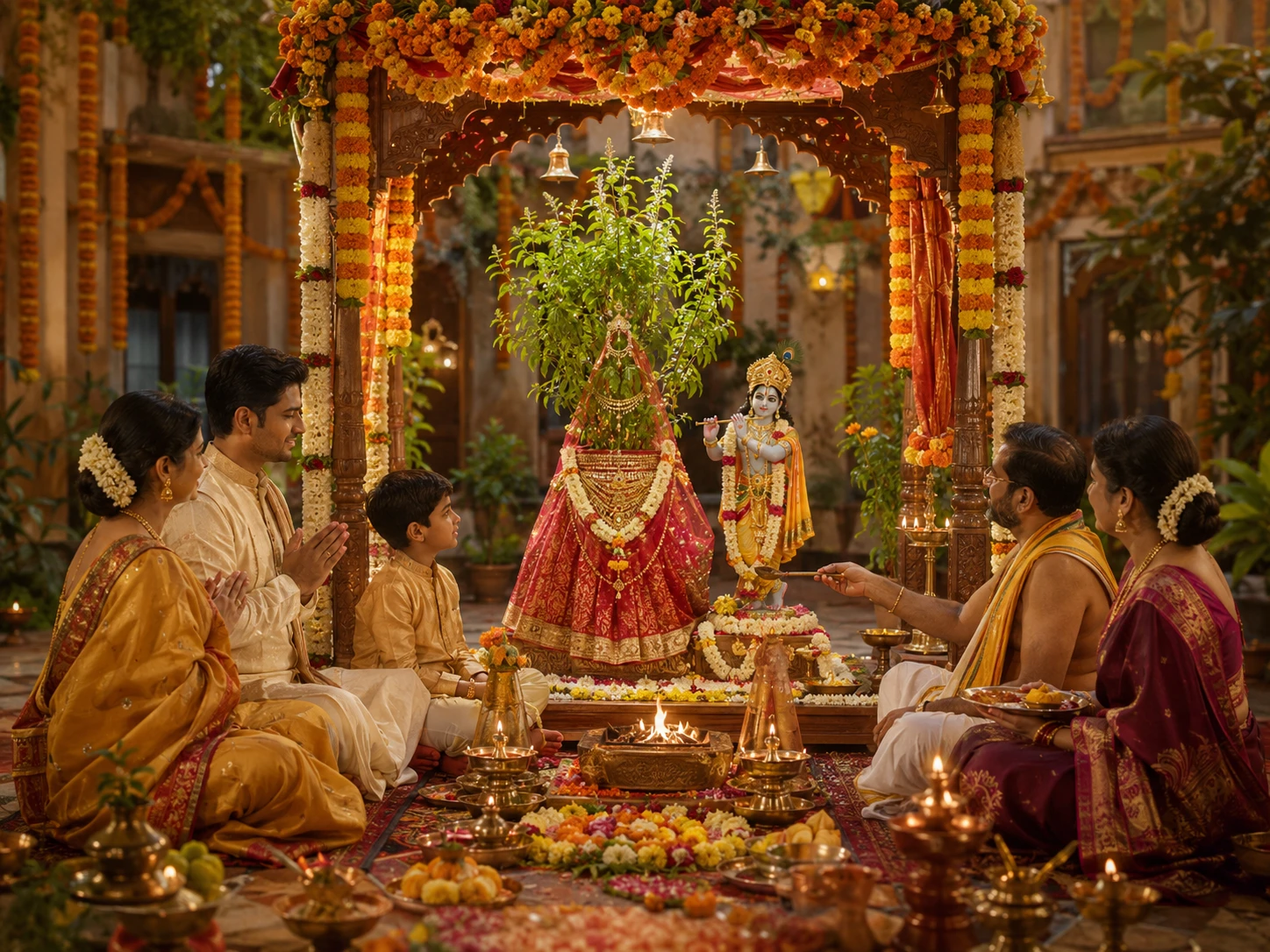
बाहरी को तुलसी विवाह हिन्दू धर्म का सबसे विचित्र अनुष्ठान लग सकता है: वधू-श्रृंगार में गमले का पौधा, वर बना काला पत्थर, पूर्ण विवाह समारोह। पर परम्परा के तर्क में पूर्ण और सुन्दर अर्थ।
तुलसी केवल पौधा नहीं। वो वृन्दा -- भक्त पत्नी जिसकी कथा पौराणिक साहित्य की सबसे मार्मिक। पद्म पुराण में वृन्दा दैत्यराज जलन्धर की पत्नी। उसका पातिव्रत इतना शक्तिशाली कि जलन्धर अजेय -- जब तक वृन्दा का सतीत्व अखण्ड कोई देवता न हरा सके। ये कवच तोड़ने विष्णु ने जलन्धर का रूप धारण कर वृन्दा के पास आए। वृन्दा ने छल जाना -- सतीत्व टूटा, जलन्धर मारा गया, वृन्दा -- टूटी और विश्वासघात -- ने विष्णु को पत्थर (शालिग्राम) बनने का शाप दिया और स्वयं अग्नि-दाह। राख से तुलसी उगी।
विष्णु ने ग्लानि और प्रशंसा से घोषित: तुलसी सम्पूर्ण सृष्टि का सबसे पवित्र पौधा, कोई विष्णु-पूजा तुलसी बिना अपूर्ण, और हर वर्ष प्रबोधिनी एकादशी -- ब्रह्माण्डीय निद्रा से जागने के दिन -- तुलसी से विवाह। ये वार्षिक विवाह तुलसी विवाह: विष्णु का प्रायश्चित्त, वृन्दा का प्रतिशोध, और परम्परा की स्वीकृति कि पवित्र स्त्री -- दिव्य द्वारा अन्यायित भी -- शाश्वत सम्मान की अधिकारी।
चातुर्मास (विष्णु-निद्रा के चार मास) में कोई शुभ कर्म -- विशेषकर विवाह -- नहीं। तुलसी विवाह चातुर्मास समाप्ति और हिन्दू विवाह ऋतु का उद्घाटन। विष्णु जागकर पहला विवाह स्वयं का, तुलसी से। इसके बाद मानव विवाह शुरू।
समारोह सामान्यतः आँगन में तुलसी के पास। गन्ने की छड़ियों का छोटा मण्डप। तुलसी लाल/पीली साड़ी, फूल, चूड़ियाँ, छोटी नथ। शालिग्राम (या विष्णु मूर्ति) पास। पुरोहित या घर की वरिष्ठ स्त्री विवाह मन्त्र। सप्तपदी। प्रसाद -- गन्ने के टुकड़े, आँवला, मौसमी फल।
तुलसी श्रीसखी शुभे पापहारिणि पुण्यदे। नमस्ते नारदनुते नारायणमनःप्रिये॥
tulasī śrī-sakhī śubhe pāpa-hāriṇi puṇya-de namaste nārada-nute nārāyaṇa-manaḥ-priye
हे तुलसी, लक्ष्मी की शुभ सखी, पापहारिणी, पुण्यदायिनी -- नमस्कार, नारद द्वारा स्तुत, नारायण को मनःप्रिय।
— Traditional Tulsi Stuti (chanted during Tulsi Puja)
तुलसी विवाह -- त्वरित सन्दर्भ
| Aspect | पक्ष | Detail |
|---|---|---|
| Date | तिथि | Prabodhini Ekadashi, Kartik Shukla 11 (Oct-Nov) |
| Bride | वधू | Tulsi (Vrinda, sacred basil plant) |
| Groom | वर | Shaligram (fossilised ammonite = Vishnu) |
| Mandap | मण्डप | Sugarcane sticks (sweetness of union) |
| Key ritual | प्रमुख अनुष्ठान | Saptapadi (7 rounds), Vivah mantras |
| Significance | महत्व | Opens Hindu marriage season after Chaturmas |
| Prasada | प्रसाद | Sugarcane, amla, seasonal fruits |
| Botanical fact | वानस्पतिक तथ्य | Tulsi (Ocimum tenuiflorum) has documented antimicrobial, anti-inflammatory, and adaptogenic properties |
तुलसी भारत के सबसे वैज्ञानिक रूप से अध्ययनित औषधीय पौधों में। Journal of Ayurveda and Integrative Medicine में शोध इसके रोगाणुरोधी, सूजनरोधी, यकृत-रक्षी और adaptogenic गुण पुष्ट। हर हिन्दू घर में तुलसी उगाने और दैनिक पूजा की परम्परा -- भक्ति में कूटबद्ध निवारक चिकित्सा।
तुलसी (Ocimum tenuiflorum) को आधुनिक औषध विज्ञान ने 'adaptogen' वर्गीकृत -- तनाव अनुकूलन में शरीर की सहायता। AIIMS, CSIR और कई IIT प्रयोगशालाओं ने रोगाणुरोधी, प्रतिऑक्सीकारक, मधुमेहरोधी और प्रतिरक्षा-नियामक गुण पुष्ट। तुलसी चाय ('Holy Basil Tea') 50+ देशों में वैश्विक wellness उत्पाद। हर आँगन में तुलसी लगाने और दैनिक जल-पूजा की परम्परा वास्तव में विश्व का सबसे बड़ा विकेन्द्रीकृत निवारक स्वास्थ्य कार्यक्रम चला रही थी -- एक-एक घर, 3,000+ वर्षों से।
आज अपने तुलसी पौधे की पूजा करो
यदि घर में तुलसी का पौधा है, तो आज शाम उसके पास दीया जलाओ, जल अर्पित करो, और माला पर "ॐ तुलस्यै नमः" का 108 बार जप करो। यदि नहीं है, तो एक लगाओ -- हर नर्सरी में मिलता है। दैनिक तुलसी पूजा परम्परा के सबसे सरल और फलदायी अभ्यासों में है: पाँच मिनट का जल देना, दीप जलाना और जप, जो तुम्हें वृन्दा की भक्ति और विष्णु की कृपा से जोड़ता है। तुलसी स्तोत्रम् अर्थ सहित एटर्नल राग पर है।
Eternal Raga · शाश्वत राग
Institutional voice — scholarly articles on Sanatan Dharma
अपनी समझ गहरी करें
अपनी समझ और गहरी करें
rituals traditions
Ekadashi -- Why Hindus Fast on the 11th Day (And What the '11' Actually Means)
Twice every lunar month, millions of Hindus stop eating grains. Not as a diet. Not for health. Because the Padma Purana says that on the 11th day of the lunar fortnight, all sin takes refuge in grain -- and the person who abstains from grain on that day is freed from sin and drawn closer to Vishnu. The number 11 is not accidental: it represents the 10 senses plus the mind, and Ekadashi is the day you master all eleven. This is the most widely observed Vrata in the Hindu world -- and it maps almost perfectly onto modern intermittent fasting science.
rituals traditions
The 16 Samskaras -- Rites of Passage from Womb to Pyre
Hinduism does not leave life to chance. From the moment a couple decides to conceive to the moment the body returns to the five elements, there are sixteen rituals -- samskaras -- designed to refine the human being at every critical transition. Think of them as firmware updates for the soul, installed at precisely the right moments.
rituals traditions
Panchopachara Puja -- The 5 Offerings That Engage All Five Senses
You do not need a pandit, a pavilion, or a two-hour ritual to worship. The Panchopachara Puja -- five offerings representing the five elements and engaging the five senses -- is the tradition's elegant minimum viable puja. Sandalwood for earth, flowers for space, incense for air, lamp for fire, food for water. Five items. Five minutes. A complete act of devotion.
rituals traditions
Naivedya and Prasada -- Why Hindus Feed God Before They Eat
You cook food. You place it before the deity. You wait. The food has not physically changed -- same molecules, same temperature, same taste. And yet the tradition insists that something fundamental has transformed. What went in as Naivedya (offering) comes out as Prasada (grace). This transformation is not chemistry. It is theology -- and it may be the most quietly radical idea in all of Hindu practice.
deities avatars
Dashavatara -- Why Vishnu Comes Back Ten Times
Fish, tortoise, boar, half-lion, dwarf, axe-warrior, prince, cowherd, enlightened teacher, future horseman. The ten avatars of Vishnu are not random folklore. Read them in sequence and you get something startling -- a narrative that mirrors evolutionary biology, tracks the rise and fall of political systems, and argues that God does not sit above history but enters it, gets dirty, and does the work. The Dashavatara is Hinduism's answer to the question every civilisation asks: why does the world keep breaking, and who fixes it?
rituals traditions
Navratri -- Nine Nights That Transform India
For nine nights, India becomes a different country. In Gujarat, millions dance garba till dawn. In Bengal, the streets turn into open-air art galleries. In Varanasi, nine temples light up in sequence. In Mysore, the palace blazes with 100,000 bulbs. Navratri is not a single festival -- it is nine nights of goddess worship that unite India's most diverse traditions into one cosmic celebration.
rituals traditions
Puja at Home -- The Complete Beginner's Guide
You have a small mandir shelf in your apartment. A brass diya your mother gave you. A photo of a deity you feel drawn to. And absolutely no idea what to do next. This guide is for you -- the 22-year-old in Pune who just moved out, the NRI in New Jersey setting up a puja corner for the first time, the curious soul who wants to start but does not know where.
तुलसी (Ocimum tenuiflorum) को आधुनिक औषध विज्ञान ने 'adaptogen' वर्गीकृत -- तनाव अनुकूलन में शरीर की सहायता। AIIMS, CSIR और कई IIT प्रयोगशालाओं ने रोगाणुरोधी, प्रतिऑक्सीकारक, मधुमेहरोधी और प्रतिरक्षा-नियामक गुण पुष्ट। तु…
More in Rituals & Traditions
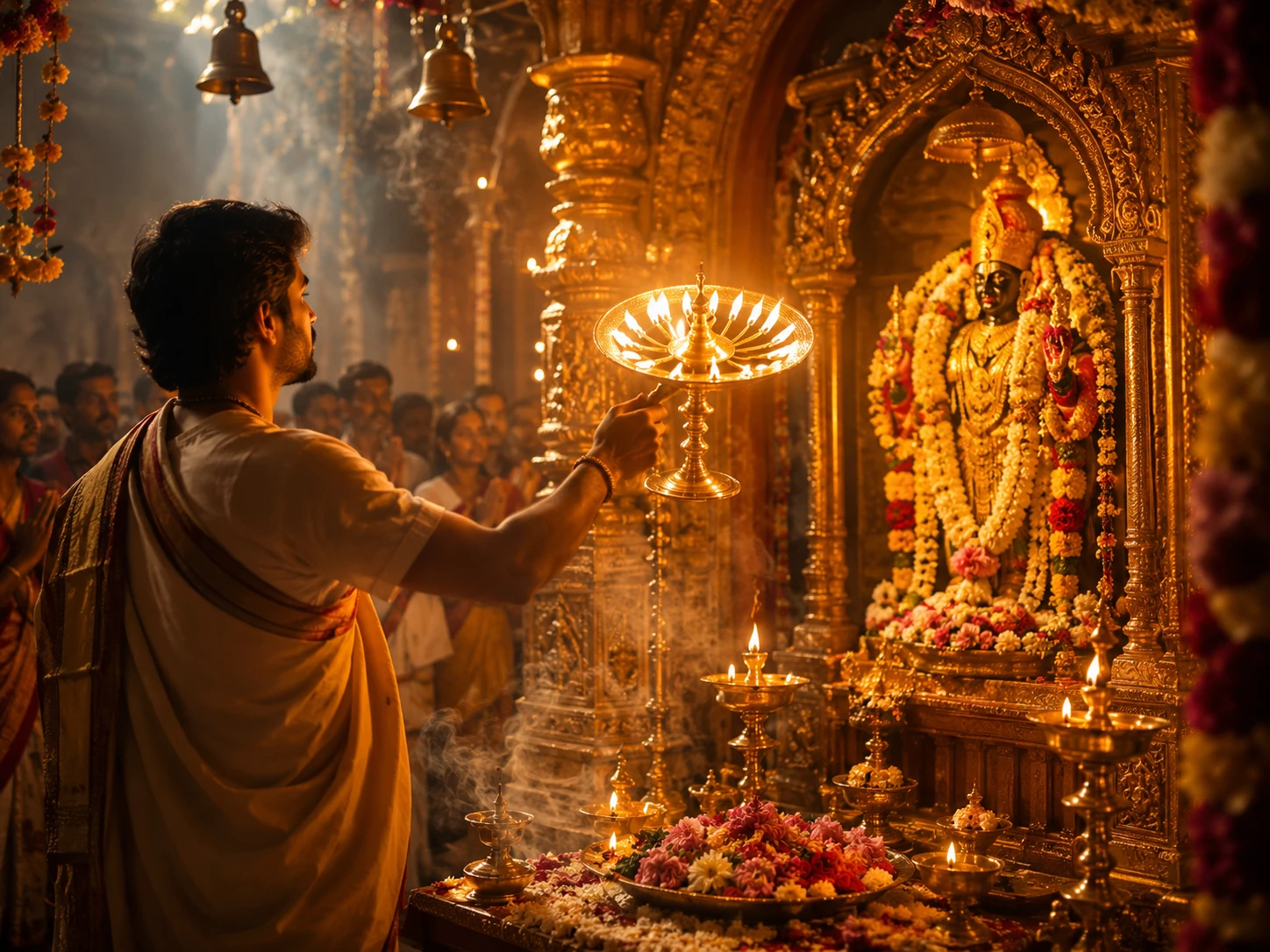
Aarti -- Why Hindus Circle Light Before God
13 मिनट पढ़ें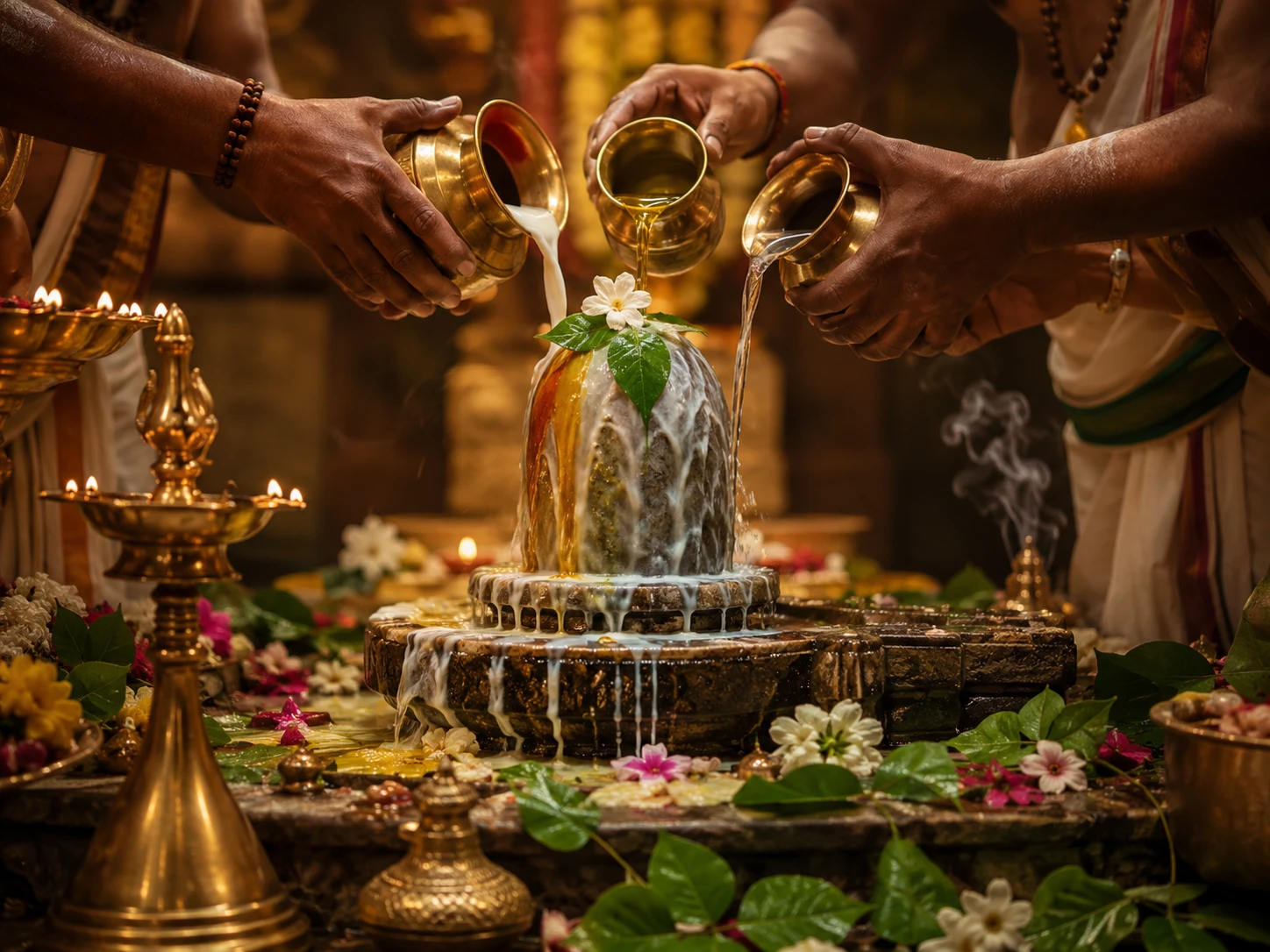
Abhisheka -- Why Hindus Bathe Their Gods
10 मिनट पढ़ें
Akshaya Tritiya -- The Day Nothing Given Away Runs Out
12 मिनट पढ़ेंवही अनुवाद त्रुटि जिसने हिन्दू धर्म में '33 कोटि' को '33 करोड़' बनाया, बौद्ध धर्म में भी हुई। बौद्ध ग्रन्थों के चीनी अनुवाद ने 'सप्त कोटि बुद्ध' (7 श्रेष्ठ बुद्ध) का अनुवाद '7 करोड़ बुद्ध' कर दिया। तिब्बती अनुवाद ने सही …
Deities AvatarsCommunity Reflections
🕉️
Be the first to share your reflection.