Annadana -- Why Feeding Is the Highest Form of Charity in Hindu Tradition
अन्नदान -- हिन्दू परम्परा में भोजन कराना सर्वोच्च दान क्यों है
हिन्दू परम्परा की दान-श्रेणी में अन्नदान -- भोजन का दान -- शिखर पर। स्वर्ण से ऊपर। भूमि से। ज्ञान से भी। तर्क तात्विक: स्वर्ण बिना जी सकते, भूमि बिना, शिक्षा बिना। भोजन बिना नहीं। इसलिए सबसे मूलभूत मानवीय आवश्यकता पूरी करने वाला दान सबसे अधिक पुण्य।
तैत्तिरीय उपनिषद्: 'अन्नं ब्रह्म' -- अन्न ब्रह्म है। सब प्राणी अन्न से जन्मते, अन्न से जीते, मृत्यु पर अन्न में लौटते। रूपक नहीं। तत्वमीमांसीय प्राथमिकता: चेतना सत्य चिन्तन से पहले शरीर चाहिए; शरीर कार्य से पहले अन्न। अन्न नींव जिस पर मानवीय आकांक्षा का सम्पूर्ण पिरामिड।
महाभारत (अनुशासन पर्व) स्पष्ट: अन्नदान सब दानों से ऊपर। भीष्म, बाण-शय्या पर अन्तिम शिक्षा: अन्नदान के बराबर कोई दान नहीं, भूखे को खिलाने के बराबर कोई पुण्य नहीं।
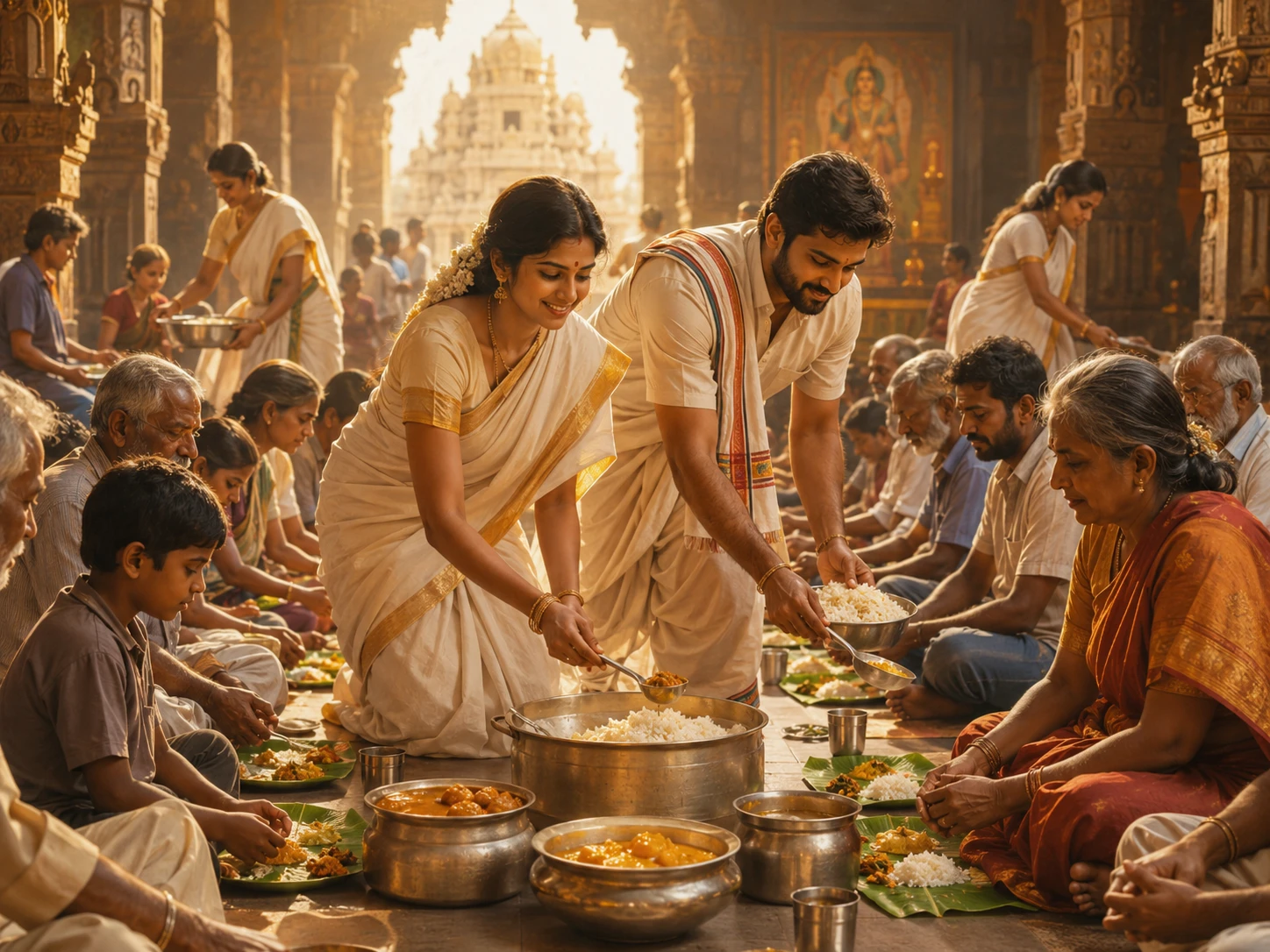
अभ्यास में अन्नदान ने भारतीय सभ्यता को हर पैमाने पर आकार दिया। परिवार: मनुष्य यज्ञ -- प्रतिदिन कम से कम एक अतिथि। समुदाय: मन्दिर प्रसाद हज़ारों को। संस्थागत: सिख लंगर -- अकेले स्वर्ण मन्दिर में प्रतिदिन 1 लाख+, विश्व भर के गुरुद्वारों में करोड़ों -- मानव इतिहास का सबसे बड़ा मुफ़्त-भोजन प्रचालन। आधुनिक परोपकार: अक्षय पात्र फ़ाउण्डेशन (ISKCON, 2000) 21,000+ विद्यालयों में 20 लाख+ बच्चों को दैनिक मध्याह्न भोजन।
पड़ोस के कुत्ते के लिए अतिरिक्त रोटी रखती दादी और हुबली की अक्षय पात्र औद्योगिक रसोई को जोड़ने वाला सूत्र एक: कोई प्राणी भूखा न रहे जब तक तुम्हारे पास बाँटने को अन्न।
अन्नाद्भवन्ति भूतानि पर्जन्यादन्नसम्भवः। यज्ञाद्भवति पर्जन्यो यज्ञः कर्मसमुद्भवः॥
annād bhavanti bhūtāni parjanyād anna-sambhavaḥ yajñād bhavati parjanyo yajñaḥ karma-samudbhavaḥ
अन्न से सब प्राणी उत्पन्न। अन्न वर्षा से। वर्षा यज्ञ से। यज्ञ कर्म से।
— Bhagavad Gita 3.14
भारत की महान अन्नदान परम्पराएँ
| Institution | संस्था | Location | Daily Meals Served | Key Feature |
|---|---|---|---|---|
| Golden Temple Langar | स्वर्ण मन्दिर लंगर | Amritsar, Punjab | 100,000+ | Free, open to all, no caste/creed distinction |
| Jagannath Mahaprasad | जगन्नाथ महाप्रसाद | Puri, Odisha | 25,000-100,000 | World's largest temple kitchen, 56-bhog tradition |
| Dharmasthala Annadana | धर्मस्थल अन्नदान | Dharmasthala, Karnataka | 30,000+ | Jain-Hindu temple, free meals for all pilgrims |
| Akshaya Patra | अक्षय पात्र | Pan-India (HQ: Hubli) | 2,000,000+ children | ISKCON-founded, mid-day meal for government schools |
| Shirdi Sai Baba Prasadalaya | शिर्डी साईं बाबा प्रसादालय | Shirdi, Maharashtra | 40,000+ | Fully mechanised kitchen, Rs 2 per meal |
| Mata Amritanandamayi Math | माता अमृतानन्दमयी मठ | Amritapuri, Kerala | 10,000+ | Global network of community kitchens |
| Tirupati Anna Prasadam | तिरुपति अन्न प्रसादम् | Tirumala, AP | 50,000+ | TTD-operated, free meals for all pilgrims |
भारत की प्रमुख मन्दिर और संस्थागत अन्नदान प्रणालियों का संयुक्त दैनिक उत्पादन प्रतिदिन 50 लाख+ भोजन -- श्रद्धा-आधारित भोजन विश्व का सबसे बड़ा ग़ैर-सरकारी खाद्य वितरण जाल।
अक्षय पात्र मॉडल -- प्राचीन सिद्धान्त, आधुनिक पैमाना
अक्षय पात्र फ़ाउण्डेशन अन्नदान की शायद सबसे उल्लेखनीय आधुनिक अभिव्यक्ति। 2000 में ISKCON बैंगलोर द्वारा स्थापित, 5 विद्यालयों में 1,500 बच्चों से शुरू। 2025 तक 16 राज्यों में 21,000+ विद्यालयों में 20 लाख+ बच्चे -- पृथ्वी के सबसे बड़े मध्याह्न भोजन कार्यक्रमों में।
'अक्षय पात्र' महाभारत से: सूर्य द्वारा द्रौपदी को दिया अक्षय पात्र जो असीमित भोजन उत्पन्न करता जब तक द्रौपदी स्वयं न खा लें। मिशन: कोई बच्चा भूखे पेट स्कूल न जाए -- भूखा बच्चा सीख नहीं सकता, जो न सीखे वो ग़रीबी चक्र न तोड़े।
विशिष्टता अभियान्त्रिकी दृष्टिकोण। हुबली रसोई -- food technology engineers के इनपुट से -- गुरुत्व-आधारित पाक-प्रणाली, steam-jacketed बर्तन, स्वचालित रोटी मशीनें 40,000 रोटी प्रति घण्टा। कस्टम insulated वाहनों में भोजन परिवहन। सिद्धान्त: प्रसाद-गुणवत्ता (सात्विक, स्वच्छ, पोषक) औद्योगिक पैमाने पर भक्ति-संकल्प बनाए।
ISRO तकनीक delivery routes optimize। IIT alumni रसोई प्रणाली। McKinsey pro-bono consulting। परिणाम: वैदिक मूल्य + Silicon Valley दक्षता।
Tech professional: अक्षय पात्र donations और volunteers स्वीकारता। एक बच्चे का वार्षिक भोजन ~₹1,500 (~$18)। एक Zomato order की लागत से एक बच्चा एक महीना। परम्परा कहती है सर्वोच्च दान। आधुनिक impact metrics: मध्याह्न भोजन स्कूल नामांकन 12-15% बढ़ाता, dropout 30% कम।
अमृतसर का स्वर्ण मन्दिर लंगर विश्व की सबसे बड़ी मुफ़्त सामुदायिक रसोई। 24 घण्टे, 365 दिन, प्रतिदिन 1 लाख+ -- धर्म, जाति, लिंग, राष्ट्रीयता निरपेक्ष। प्रतिदिन 12,000 किलो आटा, 2,000 किलो दाल, 2,000 किलो चावल, 500 किलो घी। पूर्णतः सेवादारों (स्वयंसेवक) द्वारा -- रसोई में कोई वेतनभोगी नहीं। चरम दिनों (गुरु नानक जयन्ती, वैसाखी) 2 लाख+। लंगर प्रणाली गुरु नानक देव जी ने 15वीं सदी में विशेष रूप से जाति-बाधा तोड़ने स्थापित -- सब फ़र्श पर एक पंक्ति (पंगत) में, वही भोजन, वही हाथों से परोसा। पाँच सदी बाद पृथ्वी पर समतावादी भोजन का सबसे शक्तिशाली दैनिक प्रदर्शन।
आज किसी को खिलाओ -- तुम्हारा व्यक्तिगत अन्नदान
अपने अगले भोजन से पहले एक हिस्सा उसके लिए अलग रखो जो अपना पेट नहीं भर सकता: द्वार पर बैठे आवारा कुत्ते को खिलाओ, अपनी अतिरिक्त रोटी दफ़्तर के सुरक्षाकर्मी को दो, या किसी अन्नदान संस्था की सहायता करो। परम्परा कहती है कि खिलाने वाले हाथ को कभी कमी नहीं होती। अनेक लोग अन्न की देवी अन्नपूर्णा के एक श्लोक से आरम्भ करते हैं; उनका स्तोत्रम् अर्थ सहित एटर्नल राग पर है।
Eternal Raga · शाश्वत राग
Institutional voice — scholarly articles on Sanatan Dharma
अपनी समझ गहरी करें
अपनी समझ और गहरी करें
rituals traditions
Panchamaha Yajnas -- The 5 Daily Duties Every Householder Owes
You owe five debts the moment you wake up: to knowledge, to the divine, to your ancestors, to all living beings, and to fellow humans. The Panchamaha Yajnas are not grand fire rituals -- they are five daily micro-acts that the tradition considers the minimum operating system of a responsible life. Skip them and you are, according to Manu, living as a thief.
rituals traditions
Naivedya and Prasada -- Why Hindus Feed God Before They Eat
You cook food. You place it before the deity. You wait. The food has not physically changed -- same molecules, same temperature, same taste. And yet the tradition insists that something fundamental has transformed. What went in as Naivedya (offering) comes out as Prasada (grace). This transformation is not chemistry. It is theology -- and it may be the most quietly radical idea in all of Hindu practice.
rituals traditions
Nitya, Naimittika, and Kamya Karma -- The Three Categories of Duty
Hinduism does not say 'do good things.' It says 'know which kind of action you are performing and why.' The three-fold classification of Karma into Nitya (daily non-negotiable), Naimittika (occasion-triggered), and Kamya (desire-driven) is the most practical decision-making framework the tradition offers -- and it works as well in a Bangalore startup as it did in a Vedic gurukul.
rituals traditions
Japa, Tapa, Dana -- The Three Disciplines That Purify Everything
The Bhagavad Gita declares that yajna (sacrifice), tapa (austerity), and dana (charity) should never be abandoned -- they are purifiers even for the wise. Hindu daily life distils these three into their most practical forms: Japa (repetitive chanting of a mantra), Tapa (voluntary self-discipline), and Dana (giving without expectation). Together, they form the minimum daily spiritual practice that the tradition considers sufficient for purification, progress, and protection -- regardless of your age, caste, gender, or life stage.
rituals traditions
Shraddha and Pitru Paksha -- Why Hindus Feed the Dead
For sixteen days every September, millions of Hindus stop celebrating, avoid new ventures, and turn their attention to the dead. Pitru Paksha is not morbid -- it is the tradition's most concentrated expression of a radical idea: you owe your existence to people who are no longer alive, and the debt does not expire with their death. Shraddha (faith-offerings), Tarpana (water libations), and Pinda Daan (rice-ball offerings) are the currency of this trans-generational debt system. The story that inaugurated it? Karna -- the greatest giver in the Mahabharata -- who discovered that even infinite gold is worthless if you never fed your ancestors.
rituals traditions
Vrata -- What a Hindu Vow Really Means (It Is Not Just Fasting)
Your mother kept Karva Chauth without water for sixteen hours. Your grandmother observed Ekadashi every fortnight without fail. Your colleague skips lunch on Tuesdays 'for Hanuman.' The world sees Hindu fasting as dietary restriction. The tradition sees it as something far more radical: Vrata is a voluntary, time-bound act of self-imposed discipline that rewires the relationship between desire and willpower. Fasting is the most visible expression. But the real Vrata happens inside.
rituals traditions
Diwali -- Five Days of Light
Diwali is not one night of firecrackers. It is a five-day arc from Dhanteras to Bhai Dooj, layering wealth, ancestors, Lakshmi, community, and sibling bonds into a single liturgical sequence. Its origins span Rama's return, Krishna's Narakasura victory, Jain Mahavira's nirvana, and Sikh Bandi Chhor Divas -- making it the most theologically layered festival in the Indian calendar.
अमृतसर का स्वर्ण मन्दिर लंगर विश्व की सबसे बड़ी मुफ़्त सामुदायिक रसोई। 24 घण्टे, 365 दिन, प्रतिदिन 1 लाख+ -- धर्म, जाति, लिंग, राष्ट्रीयता निरपेक्ष। प्रतिदिन 12,000 किलो आटा, 2,000 किलो दाल, 2,000 किलो चावल, 500 किलो घी।…
More in Rituals & Traditions
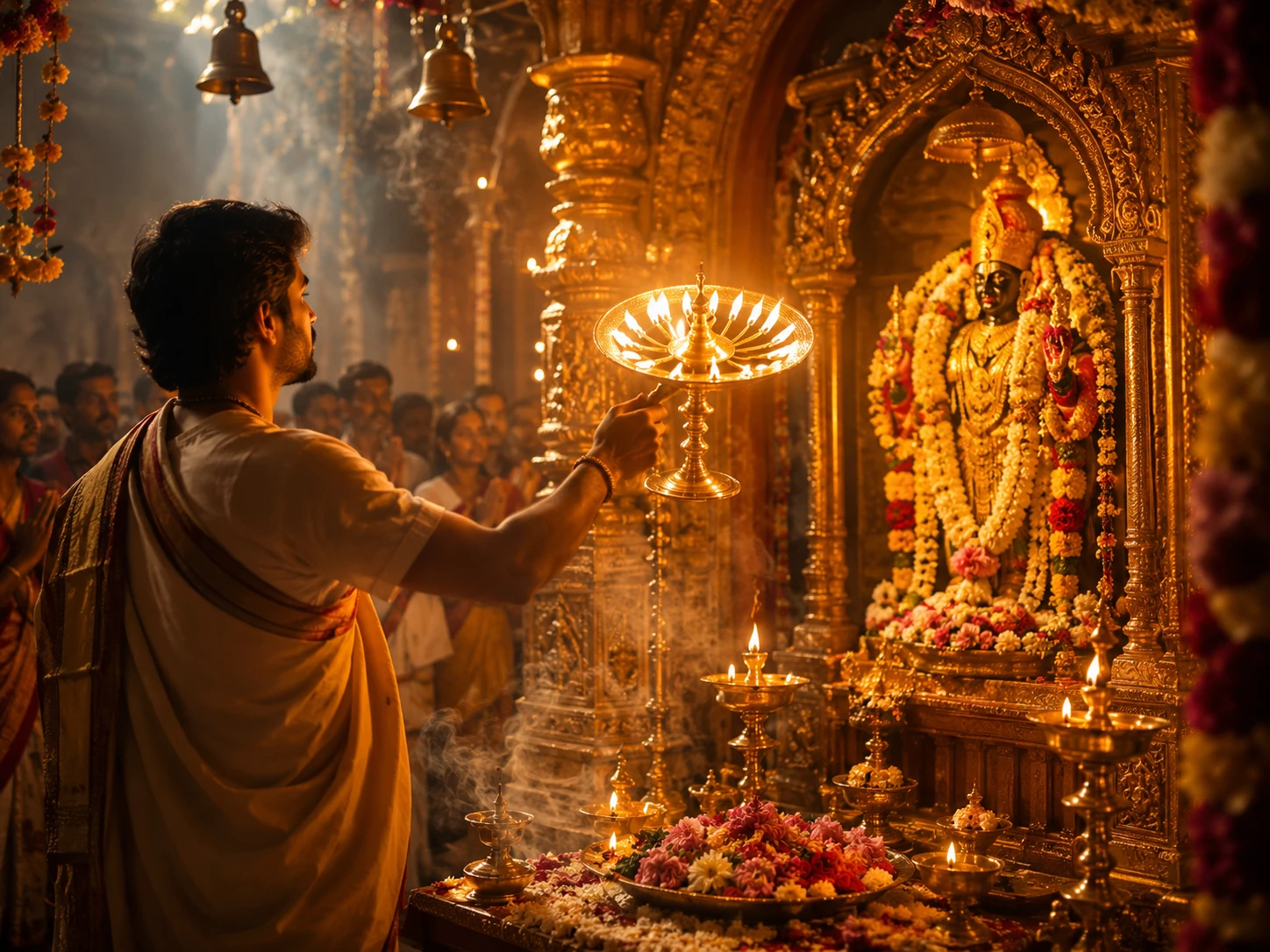
Aarti -- Why Hindus Circle Light Before God
13 मिनट पढ़ें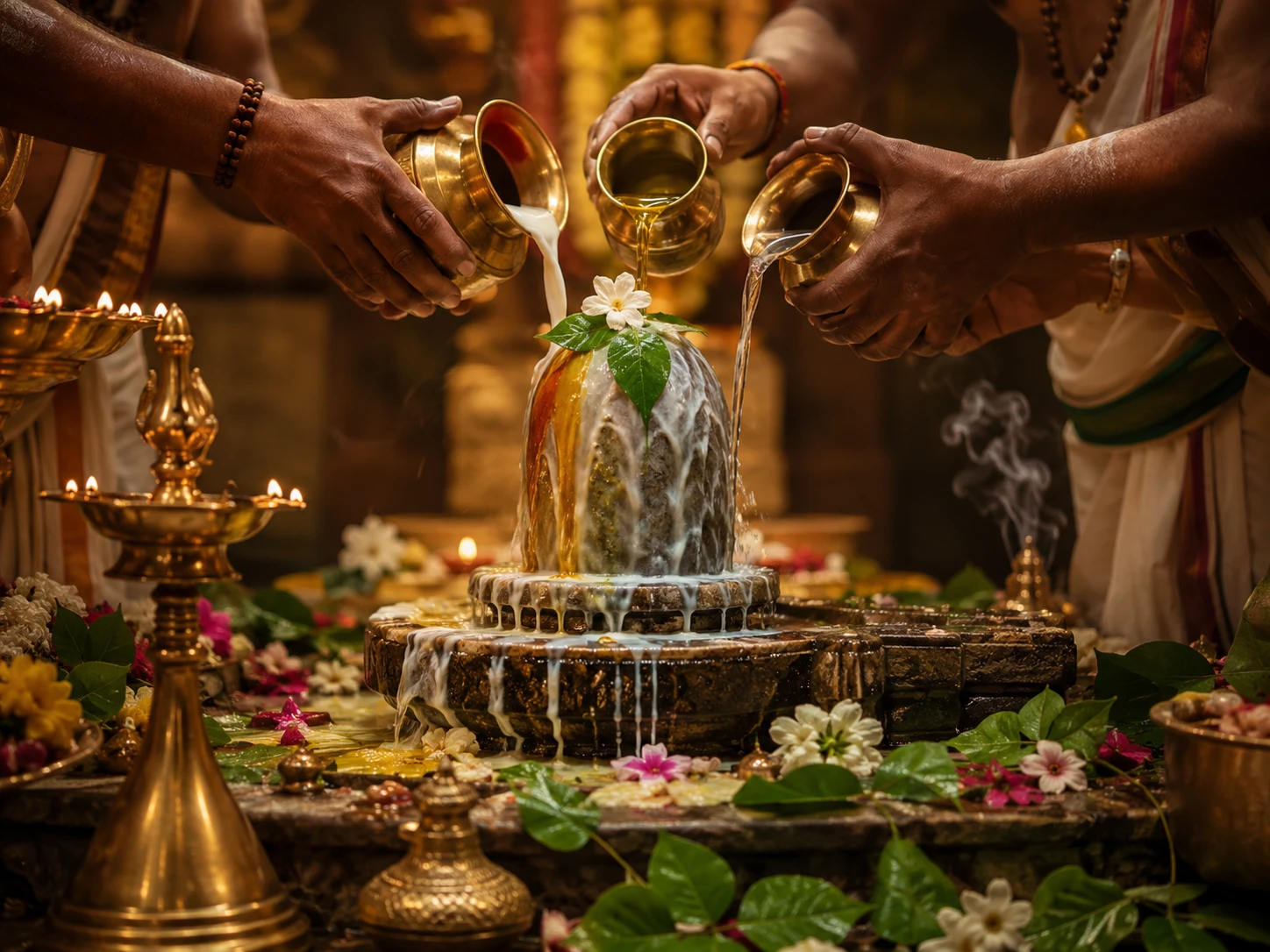
Abhisheka -- Why Hindus Bathe Their Gods
10 मिनट पढ़ें
Akshaya Tritiya -- The Day Nothing Given Away Runs Out
12 मिनट पढ़ेंवही अनुवाद त्रुटि जिसने हिन्दू धर्म में '33 कोटि' को '33 करोड़' बनाया, बौद्ध धर्म में भी हुई। बौद्ध ग्रन्थों के चीनी अनुवाद ने 'सप्त कोटि बुद्ध' (7 श्रेष्ठ बुद्ध) का अनुवाद '7 करोड़ बुद्ध' कर दिया। तिब्बती अनुवाद ने सही …
Deities AvatarsCommunity Reflections
🕉️
Be the first to share your reflection.