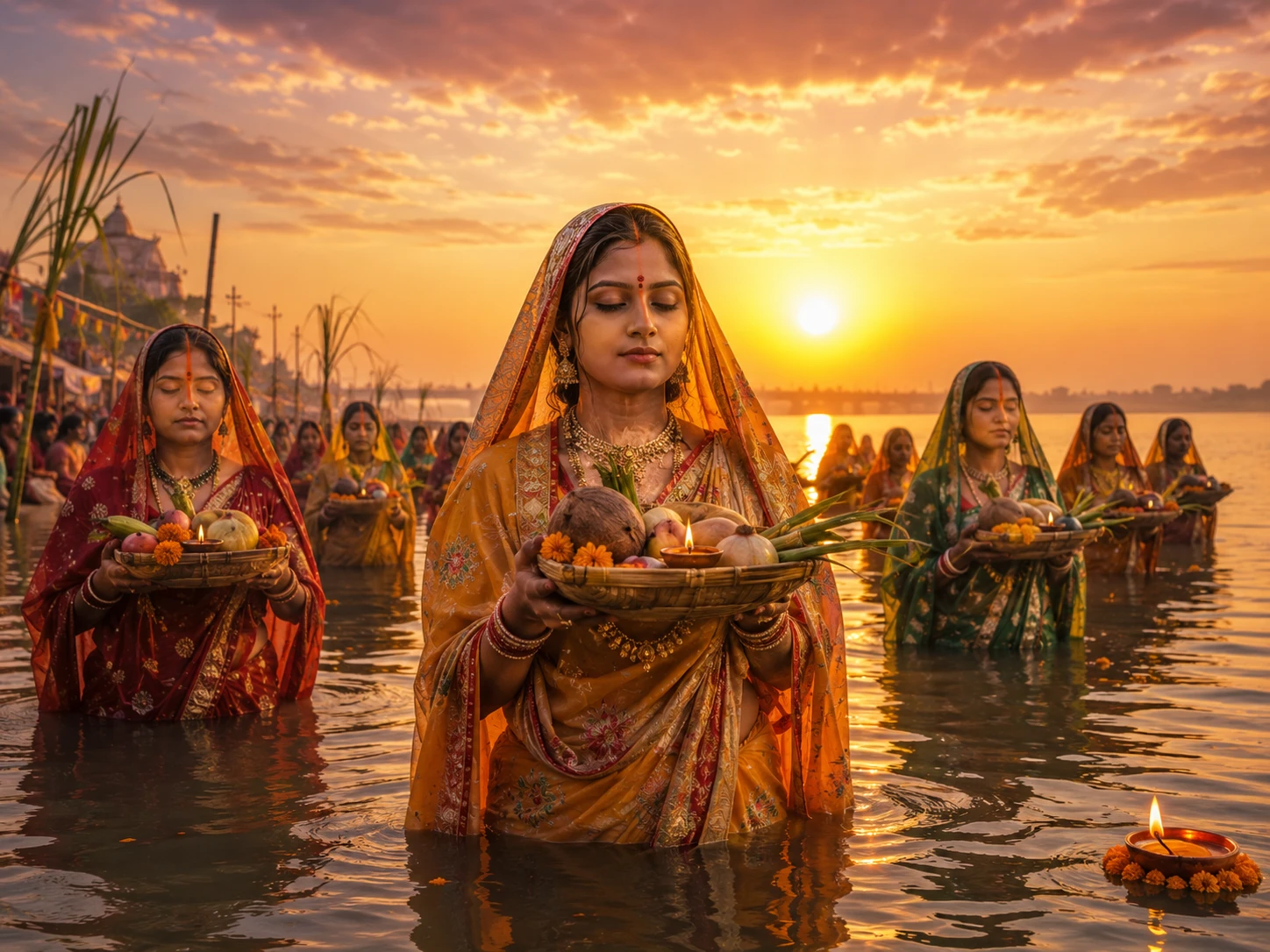
Chhath Puja -- The Only Hindu Festival Where You Worship the Setting Sun
छठ पूजा -- एकमात्र हिन्दू त्योहार जहाँ डूबते सूर्य की पूजा
छठ किसी अन्य हिन्दू त्योहार जैसा नहीं। न मन्दिर। न मूर्ति। न पुरोहित। न ब्राह्मणीय मध्यस्थता। भक्त -- सामान्यतः स्त्री, पुरुष भी -- सीधे जल में खड़ा सूर्य को सीधे अर्घ्य। लेन-देन पूजक और ब्रह्माण्ड के बीच, बिना संस्था या मध्यस्थ। ये radical प्रत्यक्षता छठ को सबसे लोकतान्त्रिक और पारिस्थितिकी-सचेत त्योहार बनाती है।
चार दिन कार्तिक (अक्टूबर-नवम्बर) में, षष्ठी तिथि केन्द्र -- इसलिए 'छठ।' अधिष्ठात्री छठी मैया -- सूर्य की बहन या ऊषा-प्रत्यूषा स्वरूप। डूबते सूर्य की पूजा -- दिन 3 की सन्ध्या अर्घ्य -- छठ की सबसे विशिष्ट। हिन्दू परम्परा प्रमुखतः उगते सूर्य की वन्दना, छठ अद्वितीय रूप से जाते सूर्य का सम्मान। दार्शनिक निहितार्थ गहन: जो समाप्त हो रहा वो उतनी श्रद्धा का अधिकारी जितना जो शुरू। सूर्यास्त पराजय नहीं। लौटने का वचन।
चार दिन कठोर:
दिन 1 -- नहाय खाय: व्रती (सामान्यतः घर की माँ) नदी स्नान, नई मिट्टी की हाँडी में आम की लकड़ी पर सात्विक भोजन (लौकी/कद्दू चने की दाल चावल), एक बार भोजन।
दिन 2 -- खरना (लोहंडा): पूरा दिन उपवास, सूर्यास्त बाद खीर-रोटी से तोड़ना। खरना प्रसाद वितरण। फिर 36 घण्टे निर्जला -- न भोजन, न जल -- दिन 3 भर दिन 4 सुबह तक।
दिन 3 -- सन्ध्या अर्घ्य: सूप (बाँस की टोकरी) ठेकुआ (गेहूँ-गुड़-घी बिस्कुट), फल (गन्ना, केला, नारियल), अर्पण। सूर्यास्त पर व्रती नदी/तालाब में कमर तक, पश्चिम मुख, डूबते सूर्य को अर्घ्य। क्षण विद्युतीय -- हज़ारों व्रती एक साथ जल में, आकाश दहकता, लोकगीत।
दिन 4 -- ऊषा अर्घ्य: सूर्योदय से पहले वही अनुष्ठान पूर्व मुख -- उगते सूर्य। सुबह अर्पण बाद व्रत तोड़ना।
उद्यन्नद्य मित्रमह आरोहन्नुत्तरां दिवम्। हृद्रोगं मम सूर्य हरिमाणं च नाशय॥
udyan adya mitramaha ārohan uttarāṁ divam hṛd-rogaṁ mama sūrya harimāṇaṁ ca nāśaya
हे सूर्य, सबके मित्र, आज उदय होकर उच्चतम आकाश आरोहण करते -- मेरे हृदय का रोग और शरीर का पीलापन नष्ट करो।
— Aditya Hridaya Stotra / Surya Upanishad tradition
छठ पूजा -- चार दिवसीय क्रम
| Day | दिन | Name | Activity | Fasting Level |
|---|---|---|---|---|
| Day 1 | दिन 1 | Nahay Khay | River bath, single sattvic meal in new earthen pot | One meal |
| Day 2 | दिन 2 | Kharna / Lohanda | Full day fast, broken at evening with kheer-roti | Full day, broken evening |
| Day 3 | दिन 3 | Sandhya Arghya | 36-hr Nirjala begins; sunset Arghya in water | Nirjala (no food/water) |
| Day 4 | दिन 4 | Usha Arghya | Sunrise Arghya in water; fast broken; celebration | Nirjala broken at sunrise |
खरना शाम से ऊषा अर्घ्य सुबह तक 36 घण्टे निर्जला -- किसी भी धार्मिक परम्परा के सबसे शारीरिक रूप से कठिन उपवासों में। व्रती ठण्डे अक्टूबर-नवम्बर जल में खड़े -- बिहार-झारखण्ड में 15 डिग्री से कम।
छठ बिहार की आत्मा क्यों -- पहचान, पलायन और सांस्कृतिक गर्व
छठ बिहार के लिए वही जो दुर्गा पूजा बंगाल -- केवल त्योहार नहीं, सभ्यतागत पहचान-चिह्न। लाखों बिहारी-झारखण्डी जो दिल्ली, मुम्बई, बैंगलोर, खाड़ी देशों में पलायन -- छठ वार्षिक सांस्कृतिक लंगर जो जड़ों से पुनर्जोड़ता।
बिहार से शेष भारत में छठ का प्रसार आधुनिक भारत की सबसे उल्लेखनीय सांस्कृतिक कथाओं में। 1990 के दशक में बिहार-झारखण्ड-पूर्वी UP के बाहर लगभग अज्ञात। 2020 के दशक तक दिल्ली में यमुना (सरकारी अस्थायी घाट), मुम्बई में जुहू Beach, हैदराबाद में हुसैन सागर, सिंगापुर, दुबई, अमेरिका। प्रसार पूर्णतः पलायन-चालित -- बिहारी श्रमिकों और professionals ने छठ साथ ले जाकर प्रवासी समुदाय में मरने नहीं दिया।
राजनीतिक आयाम महत्वपूर्ण। छठ बिहारी सांस्कृतिक दावे का प्रतीक। राज्य सरकारें छठ अवसंरचना में भारी निवेश। बिहार के मुख्यमन्त्री -- दल निरपेक्ष -- छठ घाटों पर उपस्थित।
छठ की पारिस्थितिक शुद्धता उल्लेखनीय। न विसर्जन मूर्ति। न रासायनिक रंग। न पटाखे। अर्पण पूर्णतः जैव-अपघटनीय -- फल, ठेकुआ, गन्ना। जल-स्थान पहले और बाद साफ़। छठ वो हिन्दू त्योहार जिसका पर्यावरण कार्यकर्ताओं को अध्ययन करना चाहिए -- प्रमाण कि गहन भक्ति को पर्यावरणीय लागत नहीं चाहिए।
छठ पूजा उन गिने-चुने हिन्दू त्योहारों में जहाँ किसी चरण पर ब्राह्मणीय पौरोहित्य नहीं। व्रती हर अनुष्ठान स्वयं -- अर्पण पकाने से जल में खड़े होने से अर्घ्य तक। छठ गहन समतावादी: सब जाति, सब वर्ग, सब लिंग समान। पटना की सबसे धनी व्यवसायी और दरभंगा की सबसे ग़रीब खेतिहर एक ही व्रत, एक ही जल, एक ही सादे वस्त्र। छठ भक्त और सूर्य के बीच कोई मध्यस्थ नहीं। ये radical प्रत्यक्षता छठ को सब हिन्दू त्योहारों में व्यावसायीकरण के प्रति सबसे प्रतिरोधी बनाती -- किसी को भाड़े पर छठ नहीं करवा सकते। तुम्हारा शरीर जल में। तुम्हारे हाथ अर्घ्य दें। तुम्हारी आवाज़ गीत गाए।
दैनिक सूर्य नमस्कार से सूर्य सम्मानित करो
छठ की सूर्य-उपासना दैनिक अभ्यास में आगे बढ़ सकती है। हर सुबह उगते सूर्य की ओर मुख करके "ॐ सूर्याय नमः" का बारह बार जप करो, हर आदित्य के लिए एक बार; यदि योग करते हो तो सूर्य नमस्कार के बारह चक्र जोड़ो। लम्बी प्रार्थना के लिए आदित्य हृदयम् अर्थ सहित एटर्नल राग पर है।
Eternal Raga · शाश्वत राग
Institutional voice — scholarly articles on Sanatan Dharma
अपनी समझ गहरी करें
अपनी समझ और गहरी करें
rituals traditions
Makar Sankranti -- The Only Hindu Festival Tied to the Sun, Not the Moon
Almost every Hindu festival follows the lunar calendar. Makar Sankranti is the exception. It falls on a fixed solar date -- January 14 (or 15) -- when the sun crosses from Sagittarius (Dhanu) into Capricorn (Makara), marking the beginning of Uttarayana, the northern journey of the sun. This astronomical event triggers the most geographically diverse celebration in India: Pongal in Tamil Nadu, Lohri in Punjab, Bihu in Assam, Uttarayan in Gujarat, and Til-Gul in Maharashtra -- all on the same day, all celebrating the same sun, all in completely different ways.
rituals traditions
Vrata -- What a Hindu Vow Really Means (It Is Not Just Fasting)
Your mother kept Karva Chauth without water for sixteen hours. Your grandmother observed Ekadashi every fortnight without fail. Your colleague skips lunch on Tuesdays 'for Hanuman.' The world sees Hindu fasting as dietary restriction. The tradition sees it as something far more radical: Vrata is a voluntary, time-bound act of self-imposed discipline that rewires the relationship between desire and willpower. Fasting is the most visible expression. But the real Vrata happens inside.
deities avatars
Surya -- The Sun God Who Drives a Seven-Horse Chariot Across the Sky Every Day
He is the most visible god in Hinduism -- you can see him every morning. The Gayatri Mantra, the most sacred verse in the Vedas, is addressed to him. The Konark Sun Temple is shaped like his chariot. And every time you do Surya Namaskar in your yoga class, you are performing a 3,000-year-old sun worship ritual. Surya is the deity hiding in plain sight.
rituals traditions
Sandhyavandana -- The Daily Vedic Practice That Even Rama and Krishna Never Skipped
Three times a day, at the junction of night and day, morning and afternoon, afternoon and night, the twice-born Hindu is commanded to stop everything and perform Sandhyavandana. It combines pranayama, the Gayatri Mantra, water offerings, and meditation into a single twenty-minute ritual. The Ramayana shows Rama doing it in the forest. The Mahabharata shows Krishna doing it before battle. And somewhere in India right now, an IIT student is doing it in his hostel room.
rituals traditions
Tirtha Yatra -- Why Hindus Travel to Get Closer to God
The word 'Tirtha' does not mean 'holy place.' It means 'crossing point' -- a ford where the river of worldly existence can be crossed to reach the far shore of liberation. Hindu pilgrimage is not tourism with a spiritual label. It is the deliberate journey to locations where the boundary between the material and the divine is believed to be thinnest -- where the crossing is easiest. From Kashi to Kailash, from Char Dham to Kumbh Mela, the tradition maps a sacred geography onto the physical landscape of the subcontinent, turning the act of travel itself into a spiritual practice.
rituals traditions
Panchopachara Puja -- The 5 Offerings That Engage All Five Senses
You do not need a pandit, a pavilion, or a two-hour ritual to worship. The Panchopachara Puja -- five offerings representing the five elements and engaging the five senses -- is the tradition's elegant minimum viable puja. Sandalwood for earth, flowers for space, incense for air, lamp for fire, food for water. Five items. Five minutes. A complete act of devotion.
rituals traditions
Ekadashi -- Why Hindus Fast on the 11th Day (And What the '11' Actually Means)
Twice every lunar month, millions of Hindus stop eating grains. Not as a diet. Not for health. Because the Padma Purana says that on the 11th day of the lunar fortnight, all sin takes refuge in grain -- and the person who abstains from grain on that day is freed from sin and drawn closer to Vishnu. The number 11 is not accidental: it represents the 10 senses plus the mind, and Ekadashi is the day you master all eleven. This is the most widely observed Vrata in the Hindu world -- and it maps almost perfectly onto modern intermittent fasting science.
छठ पूजा उन गिने-चुने हिन्दू त्योहारों में जहाँ किसी चरण पर ब्राह्मणीय पौरोहित्य नहीं। व्रती हर अनुष्ठान स्वयं -- अर्पण पकाने से जल में खड़े होने से अर्घ्य तक। छठ गहन समतावादी: सब जाति, सब वर्ग, सब लिंग समान। पटना की सबसे…
More in Rituals & Traditions
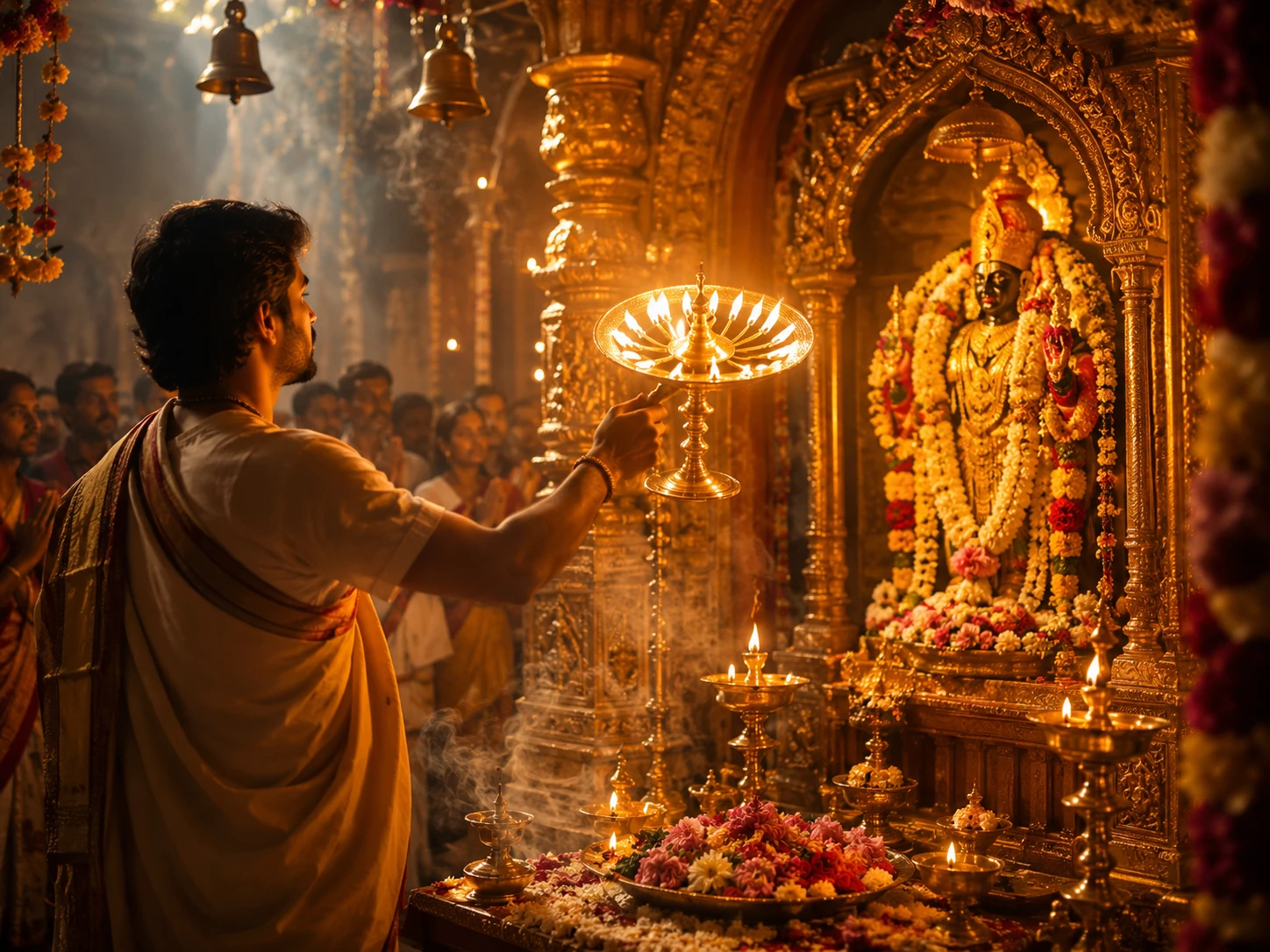
Aarti -- Why Hindus Circle Light Before God
13 मिनट पढ़ें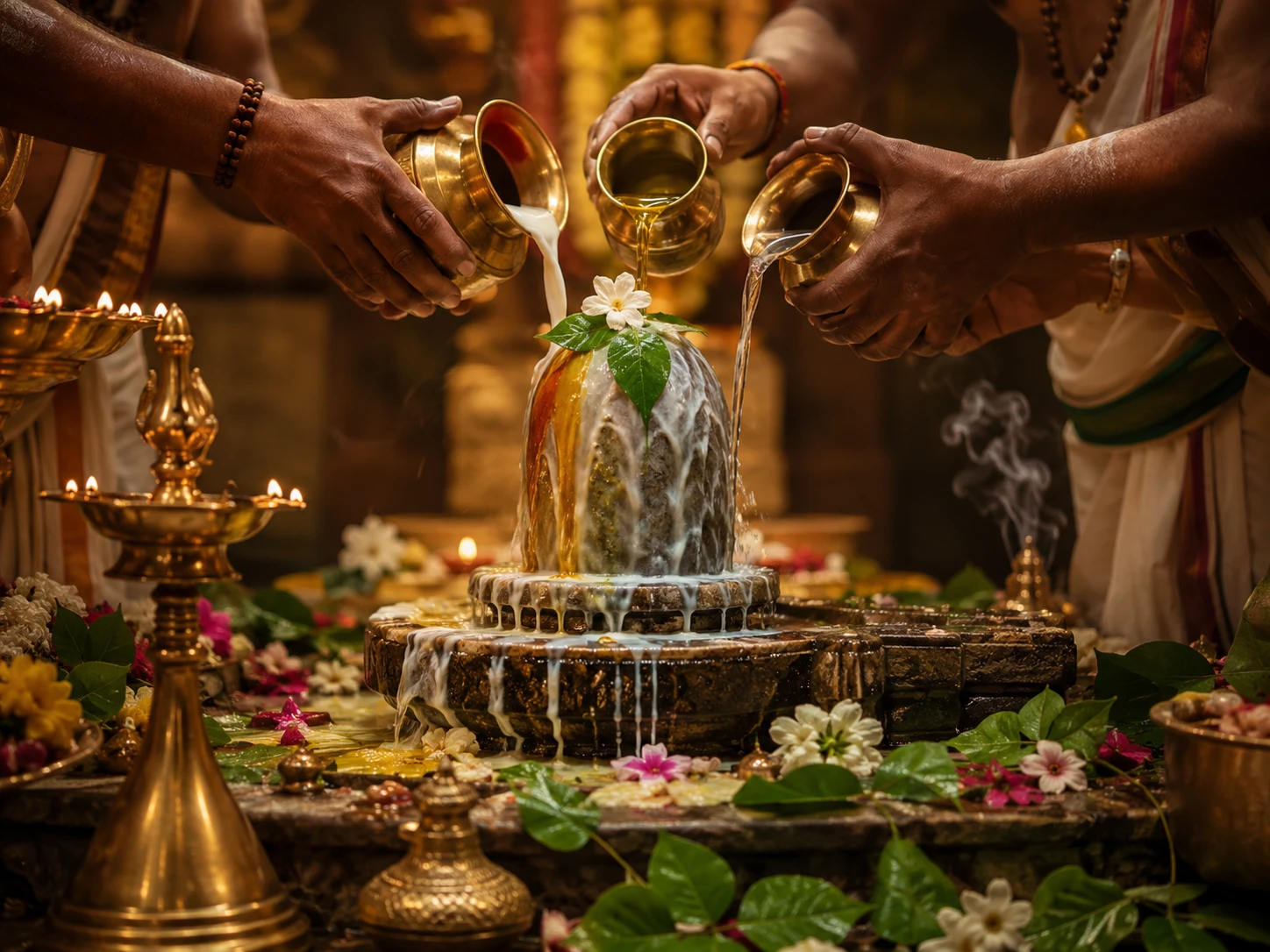
Abhisheka -- Why Hindus Bathe Their Gods
10 मिनट पढ़ें
Akshaya Tritiya -- The Day Nothing Given Away Runs Out
12 मिनट पढ़ेंवही अनुवाद त्रुटि जिसने हिन्दू धर्म में '33 कोटि' को '33 करोड़' बनाया, बौद्ध धर्म में भी हुई। बौद्ध ग्रन्थों के चीनी अनुवाद ने 'सप्त कोटि बुद्ध' (7 श्रेष्ठ बुद्ध) का अनुवाद '7 करोड़ बुद्ध' कर दिया। तिब्बती अनुवाद ने सही …
Deities AvatarsCommunity Reflections
🕉️
Be the first to share your reflection.