Panchayatana Puja -- Worshipping Five Deities as One
पंचायतन पूजा -- पाँच देवताओं की एक रूप में उपासना
अनेक पारम्परिक हिन्दू घरों में मन्दिर में एक मूर्ति नहीं, एक थाल पर सजी पाँच छोटी शिलाएँ होती हैं: शिव के लिए एक चिकनी अण्डाकार शिला, विष्णु के लिए एक काली जीवाश्म-शिला, देवी के लिए एक शिला या धातु का प्रतीक, सूर्य के लिए एक स्फटिक और गणेश के लिए एक लालिमायुक्त शिला। इनमें से एक केन्द्र में और अन्य चार कोनों में रहती हैं। यह पंचायतन है, "पाँच आयतन", और इसे अर्पित दैनिक पूजा पंचायतन पूजा है।
यह प्रथा विशेष रूप से स्मार्त परम्परा की है -- वे हिन्दू जो स्मृति ग्रन्थों और वेदान्त की शिक्षा का अनुसरण करते हैं, किसी एक देवता को अनन्य बनाए बिना। परम्परा आदि शंकराचार्य को इसे स्थापित या लोकप्रिय करने का श्रेय देती है, इसीलिए उन्हें कभी-कभी षण्मत-स्थापक, "छह प्रकार की उपासना के संस्थापक" कहा जाता है (पाँच में कार्तिकेय जोड़कर)। इसके सटीक मूल जो भी हों, यह भारत में गृह-पूजा के सबसे व्यापक रूपों में से एक बन गई।
पाँच देवता और उनकी शिलाएँ
| Deity | Traditional emblem | Where it is traditionally found |
|---|---|---|
| Shiva | Banalinga -- a smooth, egg-shaped stone | The bed of the Narmada river |
| Vishnu | Shaligram -- a black ammonite fossil | The Gandaki river in Nepal |
| Devi (Shakti) | A stone with golden streaks (svarnamukhi), or a metal yantra or image | The Svarnamukhi river, among other sources |
| Surya | A crystal (sphatika) or sun-stone | Various; crystal is the usual choice |
| Ganesha | A red stone (shonabhadra) | The Son (Shona) river |
ये पारम्परिक प्रतीक हैं; व्यवहार में परिवार छोटी मूर्तियों का भी उपयोग करते हैं, और प्रथाएँ प्रदेश और परम्परा के अनुसार भिन्न हैं।
व्यवस्था अपने पीछे के विचार को व्यक्त करती है। हर उपासक केन्द्र में उस देवता को रखता है जिसके वह सबसे निकट अनुभव करता है, अपने इष्टदेवता को, और अन्य चार को निर्धारित स्थानों पर उसके चारों ओर रखता है। शिवभक्त बाणलिंग को बीच में रखता है; विष्णुभक्त शालग्राम को; और इसी प्रकार। पाँचों की प्रतिदिन, एक ही भेंटों से, पूजा होती है, पर केन्द्र व्यक्तिगत भक्ति का विषय है।
इसके पीछे वेदान्त का यह विश्वास है कि अनेक देवता एक ब्रह्म के रूप हैं। अपने देवता से प्रेम करने के लिए किसी को दूसरों को नकारने की आवश्यकता नहीं। गीता सिद्धान्त देती है: भक्त जिस भी रूप की श्रद्धा से पूजा करना चाहता है, भगवान उसी श्रद्धा को स्थिर करते हैं -- क्योंकि हर उपासना उसी एक तक पहुँचती है।
यो यो यां यां तनुं भक्तः श्रद्धयार्चितुमिच्छति । तस्य तस्याचलां श्रद्धां तामेव विदधाम्यहम् ॥
yo yo yāṃ yāṃ tanuṃ bhaktaḥ śraddhayārcitumicchati | tasya tasyācalāṃ śraddhāṃ tāmeva vidadhāmyaham ||
जो-जो भक्त जिस-जिस रूप की श्रद्धा से पूजा करना चाहता है, उस-उस की उसी श्रद्धा को मैं अचल कर देता हूँ।
— Bhagavad Gita 7.21
इसी विचार ने मन्दिर-स्थापत्य को भी आकार दिया। पंचायतन मन्दिर में एक चबूतरे के केन्द्र में मुख्य गर्भगृह और उसके कोनों पर चार छोटे मन्दिर होते हैं, प्रत्येक अन्य देवताओं में से एक के लिए। खजुराहो के लक्ष्मण मन्दिर सहित उत्तर और मध्य भारत के कई महान मन्दिर इसी योजना का पालन करते हैं।
दैनिक पूजा पूजा के सामान्य चरणों का पालन करती है -- आवाहन, शिलाओं का स्नान (अभिषेक), चन्दन, पुष्प, धूप, दीप और नैवेद्य की भेंट, और आरती -- प्रायः सोलह चरणों वाले रूप, षोडशोपचार, में। क्योंकि प्रतीक प्रतिष्ठित मूर्तियाँ नहीं, प्राकृतिक शिलाएँ हैं, परिवार उन्हें मन्दिर-मूर्ति के लिए आवश्यक विस्तृत अनुष्ठानों के बिना घर में रख और पूज सकते हैं, और अनेक पंचायतन पीढ़ियों से चले आ रहे हैं। यह पूरी हिन्दू भक्ति को एक थाल पर एक साथ रखने का शान्त ढंग है।
बाणलिंग के बारे में पढ़ें
नर्मदा से प्राप्त शिव की स्वयं-निर्मित शिला, पंचायतन के पाँच प्रतीकों में से एक।
Tags
Eternal Raga · शाश्वत राग
Institutional voice — scholarly articles on Sanatan Dharma
अपनी समझ गहरी करें
अपनी समझ और गहरी करें
sacred artefacts
Banalinga -- The Stone God Made Himself in a River Over Millions of Years
No sculptor shaped it. No temple priest consecrated it. The Banalinga is a smooth, egg-shaped stone that emerges from the bed of the Narmada River in central India -- formed by millions of years of water erosion into a shape that Hindus recognise as Shiva's aniconic emblem. It is called Svayambhu: self-born. It needs no prana pratishtha because divinity is already inside. In a tradition that fills temples with carved murtis and elaborate rituals, the Banalinga is a radical statement: God does not need human hands to manifest.
sacred artefacts
Shalagrama Shila -- The 140-Million-Year-Old Face of Vishnu
A black river stone from a Himalayan gorge in Nepal. A fossil of a creature that swam in an ocean that no longer exists. And yet, for over two thousand years, Hindus have recognised this stone as a direct, living manifestation of Vishnu -- not a symbol, not a representation, but the deity Himself. Science calls it an ammonite. Faith calls it God.
rituals traditions
Puja at Home -- The Complete Beginner's Guide
You have a small mandir shelf in your apartment. A brass diya your mother gave you. A photo of a deity you feel drawn to. And absolutely no idea what to do next. This guide is for you -- the 22-year-old in Pune who just moved out, the NRI in New Jersey setting up a puja corner for the first time, the curious soul who wants to start but does not know where.
philosophy darshana
Adi Shankaracharya -- The Teacher of Advaita
Born in a Kerala village, he left home as a boy, walked the length of India, wrote the classic commentaries of Advaita Vedanta, founded four monasteries at its four corners, and -- by tradition -- died at thirty-two. Who Adi Shankaracharya was and what he taught.
rituals traditions
Shodashopachara Puja -- The Sixteen-Step Protocol of Hindu Worship
When a Hindu temple priest performs puja, he is not improvising. He is executing a precise sixteen-step protocol called Shodashopachara -- literally 'sixteen offerings' -- that treats God as a royal guest arriving at your home. From invitation to farewell, each step has a specific action, material, mantra, and philosophical meaning. This is the complete user manual.
deities avatars
Surya -- The Sun God Who Drives a Seven-Horse Chariot Across the Sky Every Day
He is the most visible god in Hinduism -- you can see him every morning. The Gayatri Mantra, the most sacred verse in the Vedas, is addressed to him. The Konark Sun Temple is shaped like his chariot. And every time you do Surya Namaskar in your yoga class, you are performing a 3,000-year-old sun worship ritual. Surya is the deity hiding in plain sight.
इसी विचार ने मन्दिर-स्थापत्य को भी आकार दिया। पंचायतन मन्दिर में एक चबूतरे के केन्द्र में मुख्य गर्भगृह और उसके कोनों पर चार छोटे मन्दिर होते हैं, प्रत्येक अन्य देवताओं में से एक के लिए। खजुराहो के लक्ष्मण मन्दिर सहित उत…
More in Rituals & Traditions
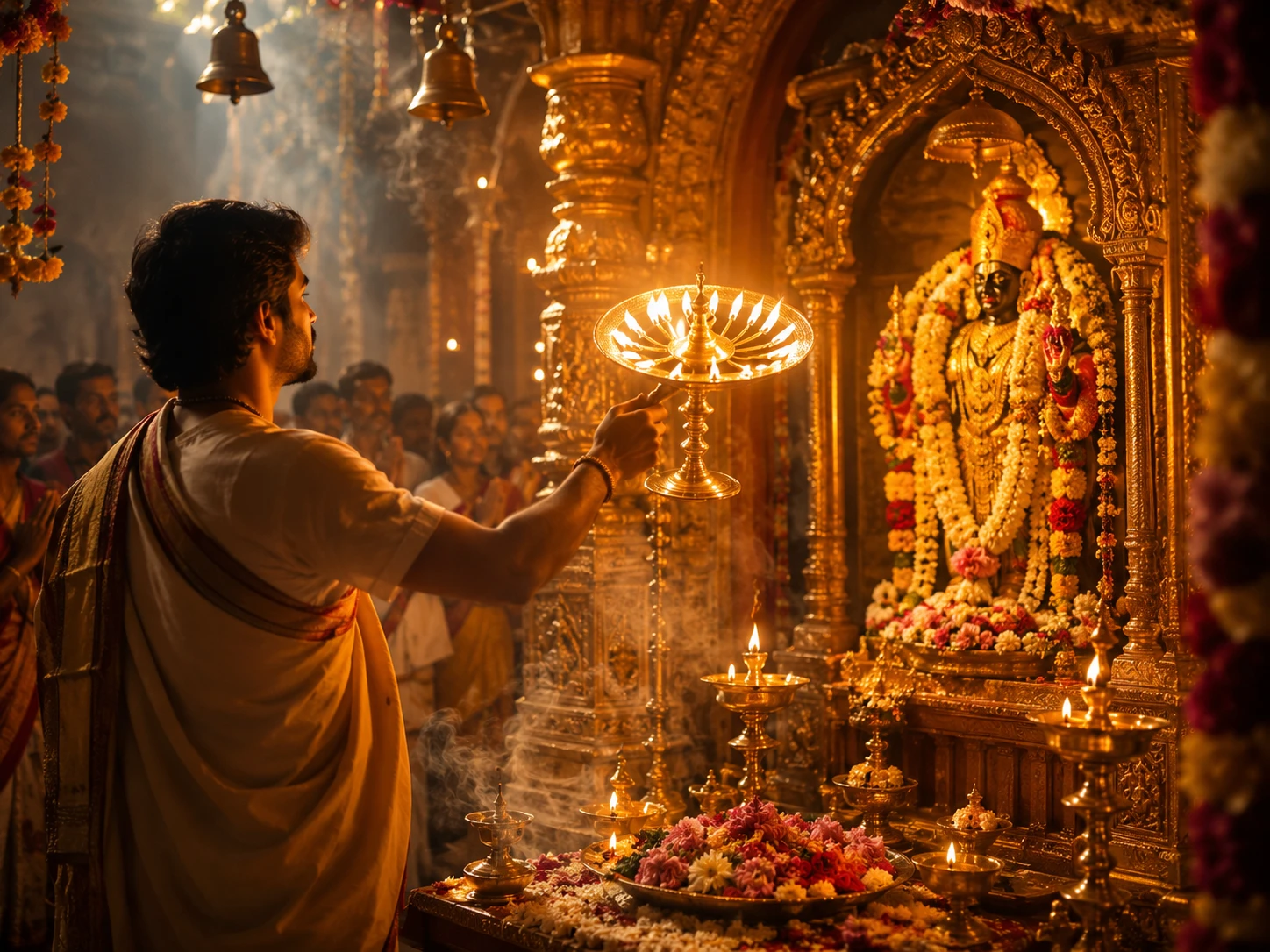
Aarti -- Why Hindus Circle Light Before God
13 मिनट पढ़ें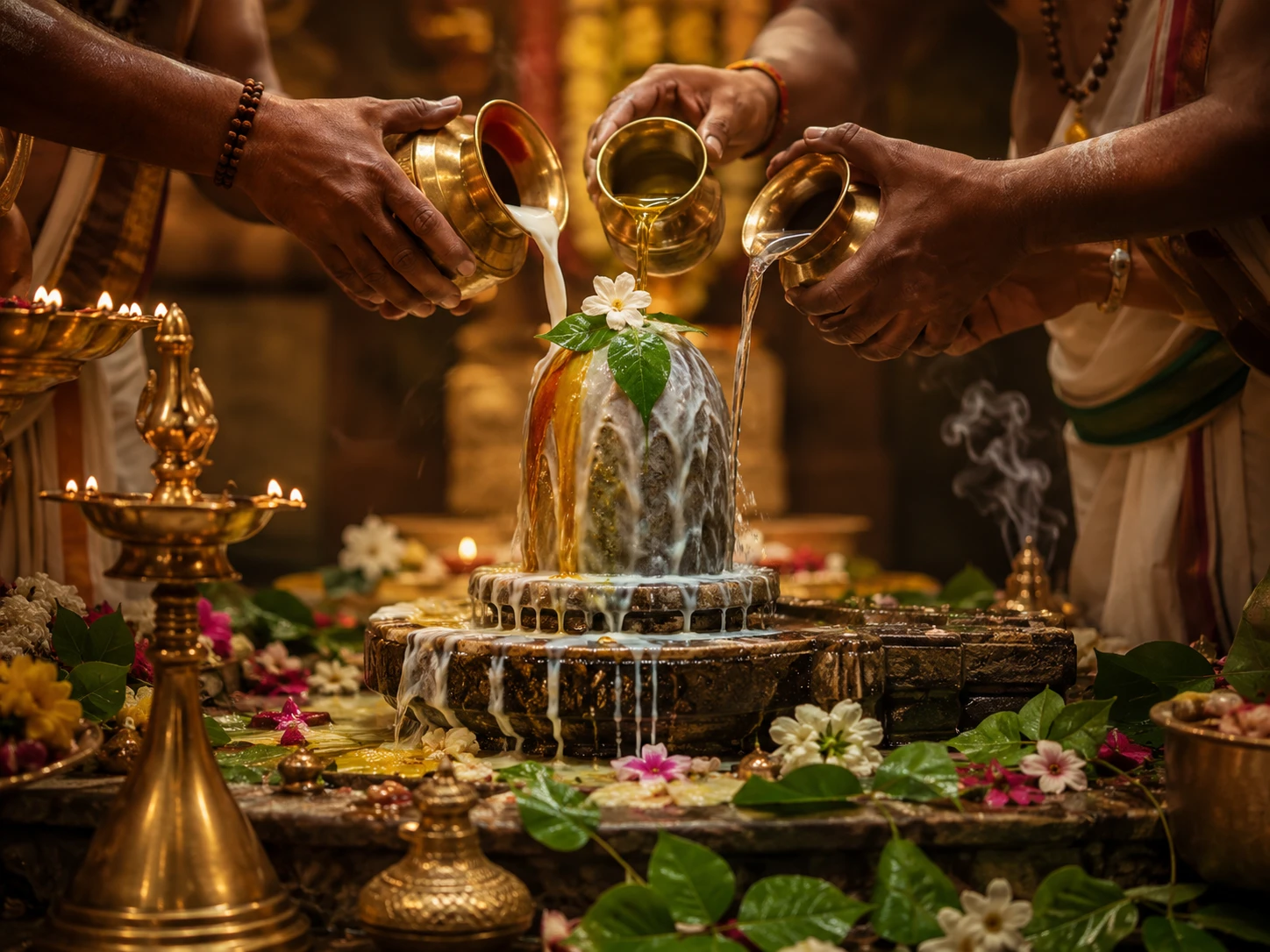
Abhisheka -- Why Hindus Bathe Their Gods
10 मिनट पढ़ें
Akshaya Tritiya -- The Day Nothing Given Away Runs Out
12 मिनट पढ़ेंवही अनुवाद त्रुटि जिसने हिन्दू धर्म में '33 कोटि' को '33 करोड़' बनाया, बौद्ध धर्म में भी हुई। बौद्ध ग्रन्थों के चीनी अनुवाद ने 'सप्त कोटि बुद्ध' (7 श्रेष्ठ बुद्ध) का अनुवाद '7 करोड़ बुद्ध' कर दिया। तिब्बती अनुवाद ने सही …
Deities AvatarsCommunity Reflections
🕉️
Be the first to share your reflection.