Varaha Avatar -- The Boar Who Lifted the Earth
वराह अवतार -- वह वराह जिसने पृथ्वी को उठाया
सृष्टि के आरम्भ में, भागवत कहता है, ब्रह्मा ने उन प्राणियों के लिए स्थान खोजा जिन्हें वे रचने वाले थे, और कोई स्थान नहीं मिला: पृथ्वी ब्रह्माण्ड की तली के जल में डूब चुकी थी। जब वे सोच रहे थे कि क्या करें, उनकी नासिका से अँगूठे से बड़ा नहीं एक छोटा-सा वराह निकला -- और क्षण भर में, ब्रह्मा और उनके पुत्रों के देखते-देखते, वह हाथी जितना और फिर पर्वत जितना बड़ा हो गया, ऐसी गर्जना करते हुए कि आकाश गूँज उठा।
वह वराह विष्णु थे। उन्होंने पृथ्वी की गन्ध सूँघी, जैसे वराह भोजन खोजता है, सागर में गोता लगाया, और उसकी गहराइयों में पृथ्वी को पाया। उन्होंने उसे अपनी श्वेत दाढ़ों की नोक पर उठाया और जल से बाहर आए, पृथ्वी अपने सारे पर्वतों सहित उनकी दाढ़ पर ऐसे टिकी थी जैसे सरोवर से निकलते हाथी की सूँड़ में कमलिनी।
इत्यभिध्यायतो नासाविवरात्सहसानघ । वराहतोको निरगादङ्गुष्ठपरिमाणकः ॥
ityabhidhyāyato nāsāvivarātsahasānagha | varāhatoko niragādaṅguṣṭhaparimāṇakaḥ ||
हे निष्पाप, जब वे ऐसा सोच रहे थे, अचानक उनकी नासिका के छिद्र से अँगूठे जितना एक वराह-शिशु निकला।
— Srimad Bhagavata Purana 3.13.18
पृथ्वी डूबी क्यों थी? भागवत के विस्तृत वर्णन में यह हिरण्याक्ष का काम था, "स्वर्णिम नेत्रों वाला" दैत्य, हिरण्यकशिपु का जुड़वाँ भाई। अपने वरदानों की शक्ति से उन्मत्त हिरण्याक्ष ने पृथ्वी को सागर में दबा दिया था और अपने योग्य प्रतिद्वन्द्वी की खोज में घूम रहा था। जब वराह पृथ्वी के साथ ऊपर उठे, हिरण्याक्ष ने गदा से उन पर आक्रमण किया; विष्णु ने युद्ध करके उसे मार डाला। भाई की मृत्यु ने ही हिरण्यकशिपु को विष्णु का कट्टर शत्रु बनाया -- वही घृणा जो प्रह्लाद और नृसिंह अवतार की कथा की भूमिका बनती है।
भागवत यह भी बताता है कि दोनों भाई दैत्य के रूप में जन्मे ही क्यों। वे जय और विजय थे, वैकुण्ठ में विष्णु के अपने द्वारपाल, जिन्हें उनके द्वार पर चारों कुमारों को रोकने के कारण तीन बार उनके शत्रु के रूप में जन्म लेने का शाप मिला। हिरण्याक्ष और हिरण्यकशिपु उन जन्मों में पहले थे।
संक्षेप में वराह
| Aspect | Detail |
|---|---|
| Place among the avatars | Third of the ten, after Matsya and Kurma |
| Consort | Bhudevi, the earth goddess, whom he rescues |
| Opponent | Hiranyaksha, twin of Hiranyakashipu |
| Main sources | Bhagavata Purana 3.13 and 3.18-19; the Varaha Purana; earlier Vedic accounts of a boar raising the earth |
| Cosmic age | The present kalpa is called Shveta-Varaha Kalpa, "the age of the white boar" |
| Famous images | The colossal relief at Udayagiri (Madhya Pradesh, Gupta period); the free-standing boar at Khajuraho |
इससे भी पहले, वैदिक ग्रन्थ एक ऐसे वराह की बात करते हैं जिसने जल से पृथ्वी उठाई; पुराणों ने उसे विष्णु बनाया। उन्होंने वराह को स्वयं वैदिक यज्ञ का प्रतीक भी बनाया। भागवत में ऋषि वराह की जो स्तुति गाते हैं, उसमें उनके शरीर का हर अंग यज्ञ का एक अंग है -- उनका थूथन स्रुक्, उनकी जिह्वा प्रवर्ग्य, उनकी दाढ़ें आरम्भिक और समापन विधियाँ। इसी से नाम यज्ञवराह पड़ा: जो देवता पृथ्वी को उठाते हैं, वही वह यज्ञ भी हैं जो उसका पालन करता है।
दंष्ट्राग्रकोट्या भगवंस्त्वया धृता विराजते भूधर भूः सभूधरा । यथा वनान्निःसरतो दता धृता मतङ्गजेन्द्रस्य सपत्रपद्मिनी ॥
daṃṣṭrāgrakoṭyā bhagavaṃstvayā dhṛtā virājate bhūdhara bhūḥ sabhūdharā | yathā vanānniḥsarato datā dhṛtā mataṅgajendrasya sapatrapadminī ||
हे भगवन्, हे भूधर, आपकी दाढ़ की नोक पर धारण की गई पर्वतों सहित पृथ्वी ऐसी शोभित है जैसे जल से निकलते गजराज के दाँतों में पत्तों सहित कमलिनी।
— Srimad Bhagavata Purana 3.13.40
वेंकटेश्वर की पहाड़ी तिरुमला पर परम्परा मानती है कि यह भूमि पहले वराह की थी, और वेंकटेश्वर ने वहाँ रहने के लिए उनसे अनुमति माँगी। परम्परा के अनुसार यात्रियों से अपेक्षा की जाती है कि वे वेंकटेश्वर के दर्शन से पहले मन्दिर-सरोवर के पास भू वराह स्वामी मन्दिर जाएँ, और दिन का पहला भोग वराह को लगता है।
वराह की सबसे प्रसिद्ध छवि विदिशा के पास उदयगिरि का विशाल शिल्प है, जो पाँचवीं शताब्दी के आरम्भ में उकेरा गया: मनुष्य का शरीर और वराह का सिर, एक पैर नागराज पर उठा हुआ, पृथ्वी देवी की छोटी आकृति उनकी दाढ़ से लिपटी हुई, और देखते हुए ऋषियों और देवताओं की पंक्तियाँ। उस समय के राजाओं ने उन्हें उस शासक का प्रतीक माना जो भूमि की रक्षा और उद्धार करता है। भक्तों के लिए अर्थ सरल और निकट है। जो कुछ भी पहुँच से बाहर डूब गया है, कथा कहती है, भगवान उसके लिए गोता लगाएँगे -- और उसे प्रेम से वापस लाएँगे, जैसे वराह भूदेवी को थामे हैं।
भागवत में वराह का प्राकट्य पढ़ें
श्रीमद्भागवत 3.13, श्लोक-दर-श्लोक: ब्रह्मा की नासिका से निकला वराह और ऋषियों की स्तुति।
Tags
Eternal Raga · शाश्वत राग
Institutional voice — scholarly articles on Sanatan Dharma
अपनी समझ गहरी करें
अपनी समझ और गहरी करें
deities avatars
Dashavatara -- Why Vishnu Comes Back Ten Times
Fish, tortoise, boar, half-lion, dwarf, axe-warrior, prince, cowherd, enlightened teacher, future horseman. The ten avatars of Vishnu are not random folklore. Read them in sequence and you get something startling -- a narrative that mirrors evolutionary biology, tracks the rise and fall of political systems, and argues that God does not sit above history but enters it, gets dirty, and does the work. The Dashavatara is Hinduism's answer to the question every civilisation asks: why does the world keep breaking, and who fixes it?
deities avatars
Bhudevi -- The Earth Goddess Rescued by Varaha
Before a single brick is laid at most Indian construction sites, someone still asks the ground for forgiveness. That request goes to Bhudevi, the earth goddess, Vishnu's second consort alongside Lakshmi. The Puranas remember her as the woman a demon dragged into the cosmic depths, and Vishnu's boar-avatar Varaha as the one who fought to bring her back on his tusks. Every Bhoomi Puja performed today, from a single house to a hundred-acre factory, repeats that ancient debt.
deities avatars
Matsya Avatar -- The Fish Who Saved the World from the Flood
A tiny fish asks a king for protection, outgrows every vessel he puts it in, and turns out to be Vishnu, come to carry the seeds of a new world through the flood. The first of the ten avatars, from its earliest telling in the Shatapatha Brahmana to the Bhagavata Purana.
deities avatars
Kalki Avatar -- The Avatar Who Is Still to Come
Nine of Vishnu's ten avatars belong to the past. The tenth rides at the end of the Kali Yuga, on a white horse with a sword in his hand, to end an age of greed and begin the cycle again. What the Puranas actually say about Kalki -- and what they do not.
deities avatars
Narasimha -- The Avatar Who Broke Every Rule to Keep His Word
Hiranyakashipu thought he had hacked the universe. His boon covered every loophole -- no man, no animal, no weapon, no time, no place could kill him. He forgot one thing: God is not bound by the categories God created. Narasimha -- half-man, half-lion, appearing at twilight on a threshold with bare claws -- is Hinduism's most terrifying avatar and its most precise legal argument. The message is not that tyranny will be punished. The message is that tyranny's own logic contains its destruction.
scriptural exegesis
Prahlada and Narasimha -- Faith That Split a Pillar
A five-year-old boy told the most powerful being in the universe that God exists everywhere -- even in a pillar. His father smashed the pillar to prove him wrong. God stepped out. The Prahlada-Narasimha story is not a children's tale. It is the most radical statement about faith in all of Hindu literature.
वेंकटेश्वर की पहाड़ी तिरुमला पर परम्परा मानती है कि यह भूमि पहले वराह की थी, और वेंकटेश्वर ने वहाँ रहने के लिए उनसे अनुमति माँगी। परम्परा के अनुसार यात्रियों से अपेक्षा की जाती है कि वे वेंकटेश्वर के दर्शन से पहले मन्दिर…
More in Deities & Avatars
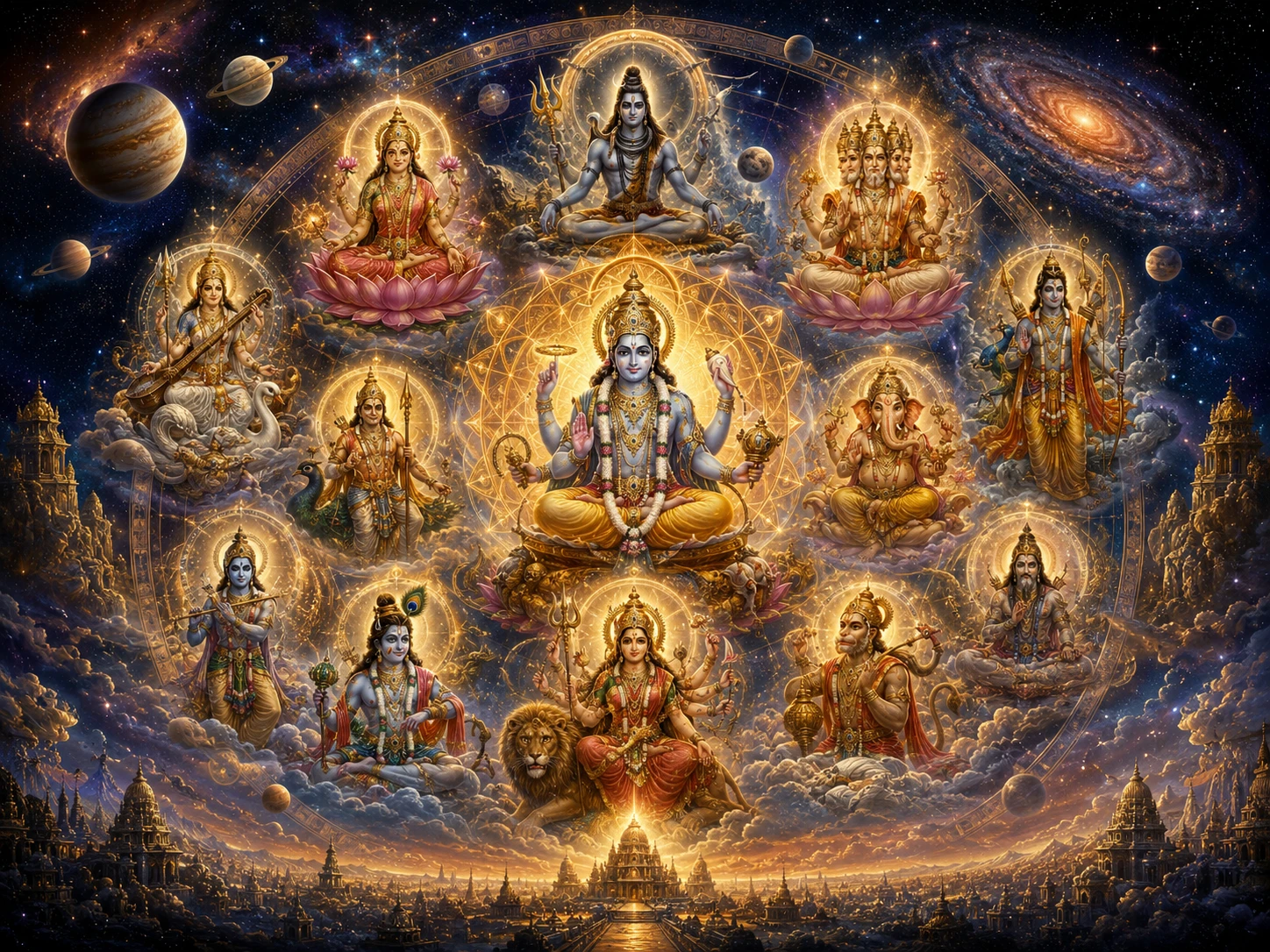
33 Koti Devata -- Why Hinduism Has 33 Types of Gods, Not 33 Crore
13 मिनट पढ़ें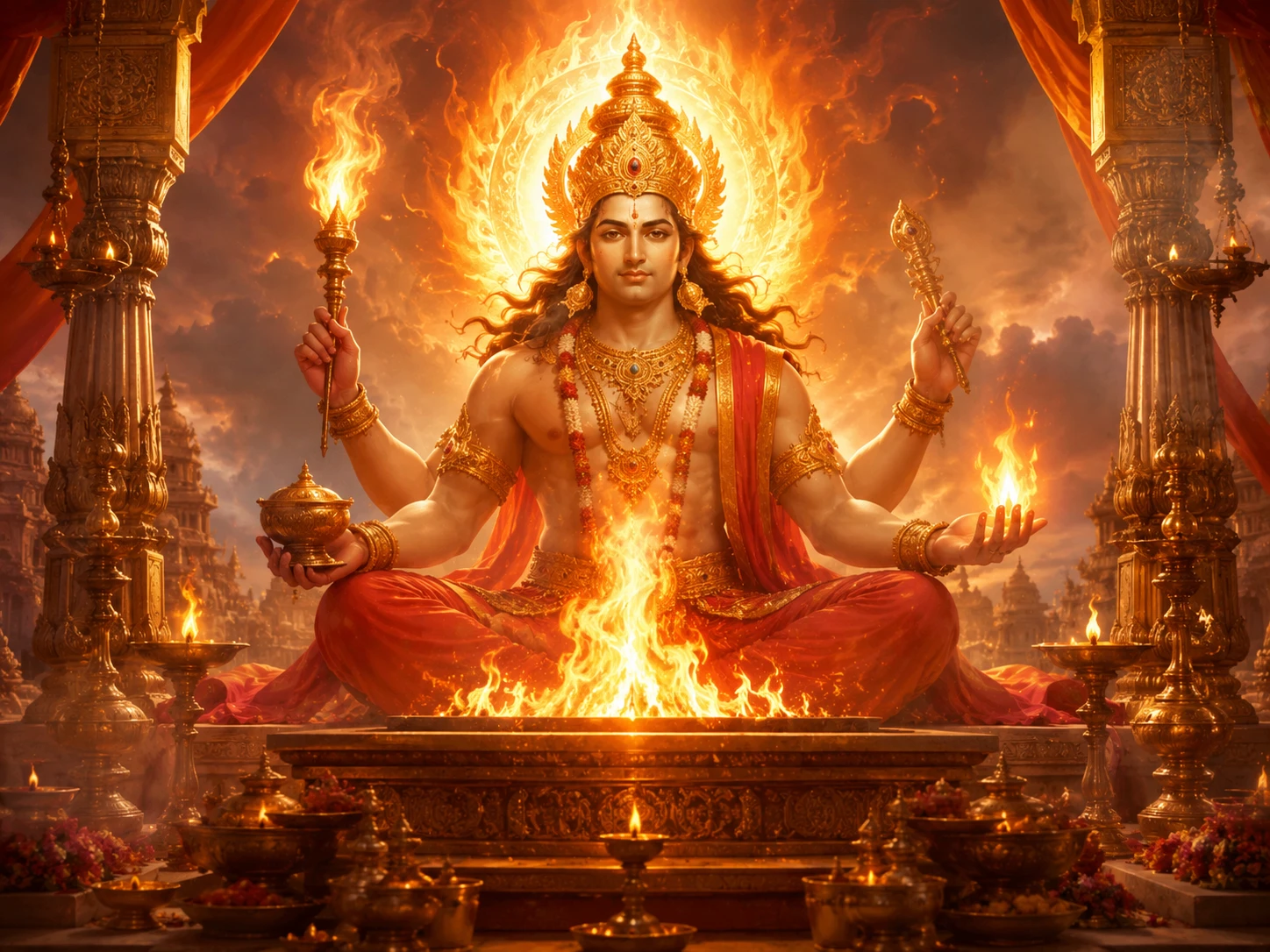
Agni -- The Fire God
19 मिनट पढ़ें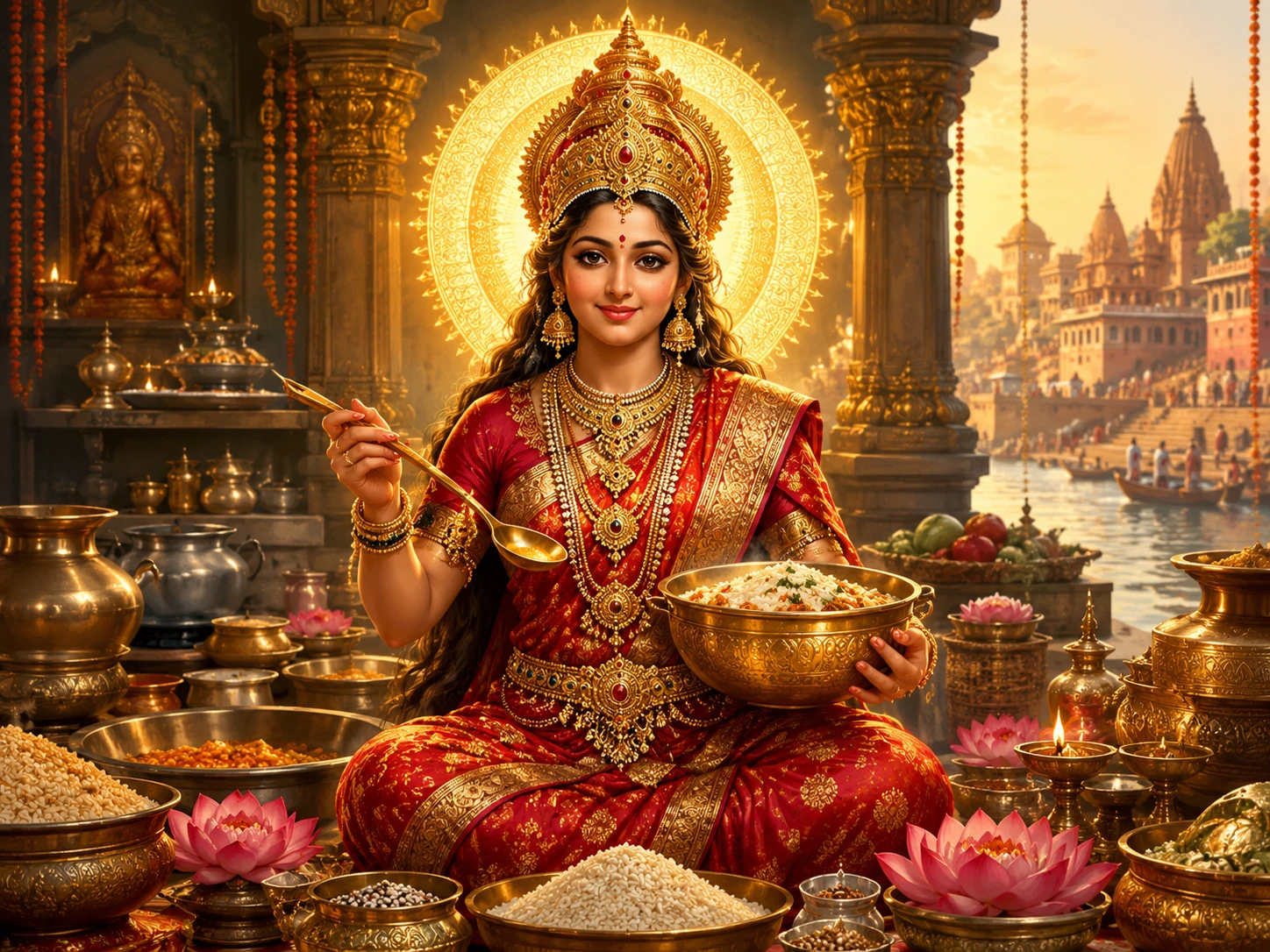
Annapurna -- Goddess of Food
19 मिनट पढ़ेंवही अनुवाद त्रुटि जिसने हिन्दू धर्म में '33 कोटि' को '33 करोड़' बनाया, बौद्ध धर्म में भी हुई। बौद्ध ग्रन्थों के चीनी अनुवाद ने 'सप्त कोटि बुद्ध' (7 श्रेष्ठ बुद्ध) का अनुवाद '7 करोड़ बुद्ध' कर दिया। तिब्बती अनुवाद ने सही …
Deities AvatarsCommunity Reflections
🕉️
Be the first to share your reflection.