Nalanda and Takshashila -- The Great Centres of Learning of Ancient India
नालन्दा और तक्षशिला -- प्राचीन भारत के महान ज्ञान-केन्द्र
उपमहाद्वीप के सुदूर उत्तर-पश्चिम में, वर्तमान पाकिस्तान के रावलपिण्डी के पास, तक्षशिला नगर था -- यूनानियों का टैक्सिला। ईसा-पूर्व पहली सहस्राब्दी के मध्य तक यह ज्ञान-स्थल के रूप में प्रसिद्ध हो चुका था। यह आधुनिक अर्थ में विश्वविद्यालय नहीं था, एक परिसर और निश्चित पाठ्यक्रम वाला: प्रसिद्ध गुरु वहाँ रहते और पढ़ाते थे, प्रत्येक अपने शिष्यों के साथ, जो भारत भर और उससे आगे से आते थे। बौद्ध जातक कथाएँ उन राजकुमारों और ब्राह्मण बालकों की बात करती हैं जिन्हें सोलह वर्ष की आयु में वेद, धनुर्विद्या, चिकित्सा और कलाएँ पढ़ने तक्षशिला भेजा जाता था।
परम्परा बड़े नामों को इससे जोड़ती है। मौर्य साम्राज्य के पीछे के रणनीतिकार चाणक्य के बारे में कहा जाता है कि वे वहाँ पढ़ाते थे; बौद्ध ग्रन्थ कहते हैं कि बुद्ध के वैद्य जीवक ने वहाँ चिकित्सा सीखी; और वैयाकरण पाणिनि उसी क्षेत्र से थे। विवरण जो भी हों, तक्षशिला भारतीय ज्ञान-केन्द्र का आदर्श बना: एक नगर जहाँ लोग ज्ञान के लिए ही आते थे।
बिहार में नालन्दा कुछ अलग था: एक संगठित मठीय विश्वविद्यालय। यह ईसा की पाँचवीं शताब्दी में गुप्त सम्राटों के अधीन विकसित हुआ, परम्परा के अनुसार कुमारगुप्त प्रथम से आरम्भ होकर, और लगभग सात सौ वर्षों तक क्रमागत राजवंशों, सबसे बढ़कर पालों, द्वारा पोषित हुआ। इसके उत्खनित अवशेष -- विद्यार्थियों की कोठरियों वाले विहारों की पंक्तियाँ, विशाल मन्दिर और व्याख्यान-कक्ष -- एक बड़े क्षेत्र में फैले हैं।
नालन्दा एक बौद्ध संस्था थी, और महायान दर्शन इसके केन्द्र में था। पर विद्यार्थी बहुत कुछ और भी पढ़ते थे: तर्कशास्त्र और प्रमाणशास्त्र, व्याकरण, चिकित्सा, वेद और कलाएँ, और प्रतिद्वन्द्वी मतों के सिद्धान्त, जिन्हें शास्त्रार्थ के लिए जानना आवश्यक था। प्रवेश प्रसिद्ध रूप से कठिन था; चीनी यात्रियों ने लिखा कि द्वार पर मौखिक परीक्षा में आवेदकों का अल्पांश ही उत्तीर्ण होता था। तिब्बती परम्परा के अनुसार इसका पुस्तकालय तीन विशाल भवनों में था, जिनके नाम थे रत्नसागर, रत्नोदधि और रत्नरंजक।
प्राचीन और मध्यकालीन भारत के महान ज्ञान-केन्द्र
| Centre | Where | Flourished | Known for |
|---|---|---|---|
| Takshashila | Near Rawalpindi, Pakistan | From about the 6th-5th century BCE | Independent teachers and students from across Asia; Vedas, medicine, statecraft, arts |
| Nalanda | Bihar | 5th-12th century CE | Monastic university; philosophy, logic, grammar, medicine; visited by Xuanzang and Yijing |
| Valabhi | Gujarat | 6th-8th century CE | A rival to Nalanda in western India |
| Vikramashila | Bihar | Founded c. 800 CE by the Pala king Dharmapala | Tantric Buddhism; sent scholars to Tibet |
| Odantapuri | Bihar | 8th-12th century CE | A Pala monastic university |
नालन्दा के बारे में हम जो जानते हैं उसका बड़ा भाग चीनी यात्रियों से आता है। ह्वेनसांग ने 630 के दशक में कई वर्ष वहाँ अध्ययन किया और उसके हज़ारों भिक्षुओं और आचार्यों, उसके शिखरों और उसके ज्ञान के बारे में लिखा; कुछ दशक बाद इत्सिंग ने वहाँ लगभग दस वर्ष बिताए और दैनिक दिनचर्या का विस्तार से वर्णन किया। नालन्दा के विद्वान बौद्ध धर्म और भारतीय ज्ञान को तिब्बत, चीन और दक्षिण-पूर्व एशिया ले गए।
नालन्दा का अन्त बारहवीं शताब्दी के अन्त के आसपास हुआ, भारत में बौद्ध धर्म के ह्रास और उत्तर-पश्चिम से आक्रमणों के काल में; इसका विनाश सामान्यतः बख़्तियार ख़िलजी की सेनाओं को माना जाता है, जिन्होंने लगभग 1200 में बिहार के विहारों को लूटा। विक्रमशिला और ओदन्तपुरी उन्हीं वर्षों में गिरे। वर्णन कहते हैं कि महान पुस्तकालय लम्बे समय तक जलते रहे।
दोनों स्थल अब यूनेस्को विश्व धरोहर हैं -- तक्षशिला 1980 से, नालन्दा महाविहार का उत्खनित स्थल 2016 से -- और 2010 में संसद के एक अधिनियम से स्थापित नया नालन्दा विश्वविद्यालय अब खण्डहरों के निकट शिक्षा देता है।
नालन्दा के विद्यार्थी और आचार्य केवल भारतीय नहीं थे। स्वयं ह्वेनसांग को भारत में नालन्दा में एक स्मारक भवन द्वारा याद किया जाता है, और नालन्दा के शास्त्रार्थों ने उन विद्वानों को तैयार किया जिन्होंने बाद में तिब्बत के कुछ सबसे महत्त्वपूर्ण मठों की स्थापना की। नालन्दा के एक आचार्य, शान्तरक्षित, ने आठवीं शताब्दी में तिब्बत में बौद्ध धर्म की स्थापना में सहायता की।
ताड़पत्र पाण्डुलिपियों के बारे में पढ़ें
वह माध्यम जिसमें नालन्दा और अन्य केन्द्रों का ज्ञान लिखा और ले जाया गया।
Tags
Eternal Raga · शाश्वत राग
Institutional voice — scholarly articles on Sanatan Dharma
अपनी समझ गहरी करें
अपनी समझ और गहरी करें
sacred artefacts
Palm Leaf Manuscripts -- India's Paper Before Paper
For over two thousand years, India wrote its scriptures, its medicine, its astronomy, and its poetry on dried palm leaves. A sharp stylus cut each letter; turmeric ink was rubbed into the groove. One such library at Thanjavur holds over forty-nine thousand manuscripts, many still unread. Another, destroyed in Nalanda, held possibly one million. This is the physical body of Indian knowledge.
vedic sciences
Aryabhata -- The Astronomer Who Said the Earth Turns
In 499 CE a twenty-three-year-old astronomer in Kusumapura wrote 121 verses that explained eclipses by shadows, said the Earth spins on its axis, and gave pi to four decimal places. Who Aryabhata was, what is in the Aryabhatiya, and why India named its first satellite after him.
vedic sciences
Panini and Ashtadhyayi -- The Science of Sanskrit Grammar
In the 5th century BCE, a man in Gandhara wrote approximately 4,000 rules that could generate every valid sentence in Sanskrit. No exceptions. No ambiguity. His system anticipated formal grammar, programming languages, and natural language processing by two and a half millennia. His name was Panini, and his Ashtadhyayi is not a grammar book -- it is an algorithm.
vedic sciences
Charaka vs Sushruta -- The Two Founders of Ayurveda and Why India Had Both Internal Medicine and Surgery 2,000 Years Ago
Charaka wrote the textbook on diagnosing disease. Sushruta wrote the textbook on cutting it out. Together, the Charaka Samhita and Sushruta Samhita represent one of the most complete medical systems of the ancient world -- covering everything from pulse diagnosis and herbal pharmacology to rhinoplasty, cataract surgery, and caesarean section. One text founded internal medicine. The other founded surgery. And both were written in India over 2,000 years ago, centuries before comparable texts appeared in Greece or Rome. This article puts the two traditions side by side and asks: what did ancient India actually know about healing the human body?
tantra mantra yantra
Guru-Shishya Parampara -- How Knowledge Passes from Teacher to Student
For three thousand years, the most important knowledge in India -- the Vedas, philosophy, yoga, music and dance -- has been passed on not through books alone but from one living teacher to one living student. What the guru-shishya parampara is, what it asks of each side, and why it still matters.
vedic sciences
The Invention of Zero -- India's Gift That Made Modern Civilisation Possible
Without zero, there is no binary code, no computers, no GPS, no banking system, no physics equation that works. The number that represents nothing is the single most important invention in the history of mathematics -- and it came from India. Not as a sudden discovery but as a centuries-long evolution: from a philosophical concept of 'shunya' (void) in Sanskrit thought, to a placeholder dot in the Bakhshali manuscript, to Aryabhata's positional number system, to Brahmagupta's formal arithmetic rules for zero in 628 CE. From India it travelled through Arab scholars to Europe, replacing Roman numerals and igniting the Scientific Revolution. This is the story of how nothing changed everything.
नालन्दा के विद्यार्थी और आचार्य केवल भारतीय नहीं थे। स्वयं ह्वेनसांग को भारत में नालन्दा में एक स्मारक भवन द्वारा याद किया जाता है, और नालन्दा के शास्त्रार्थों ने उन विद्वानों को तैयार किया जिन्होंने बाद में तिब्बत के कु…
More in Vedic Sciences
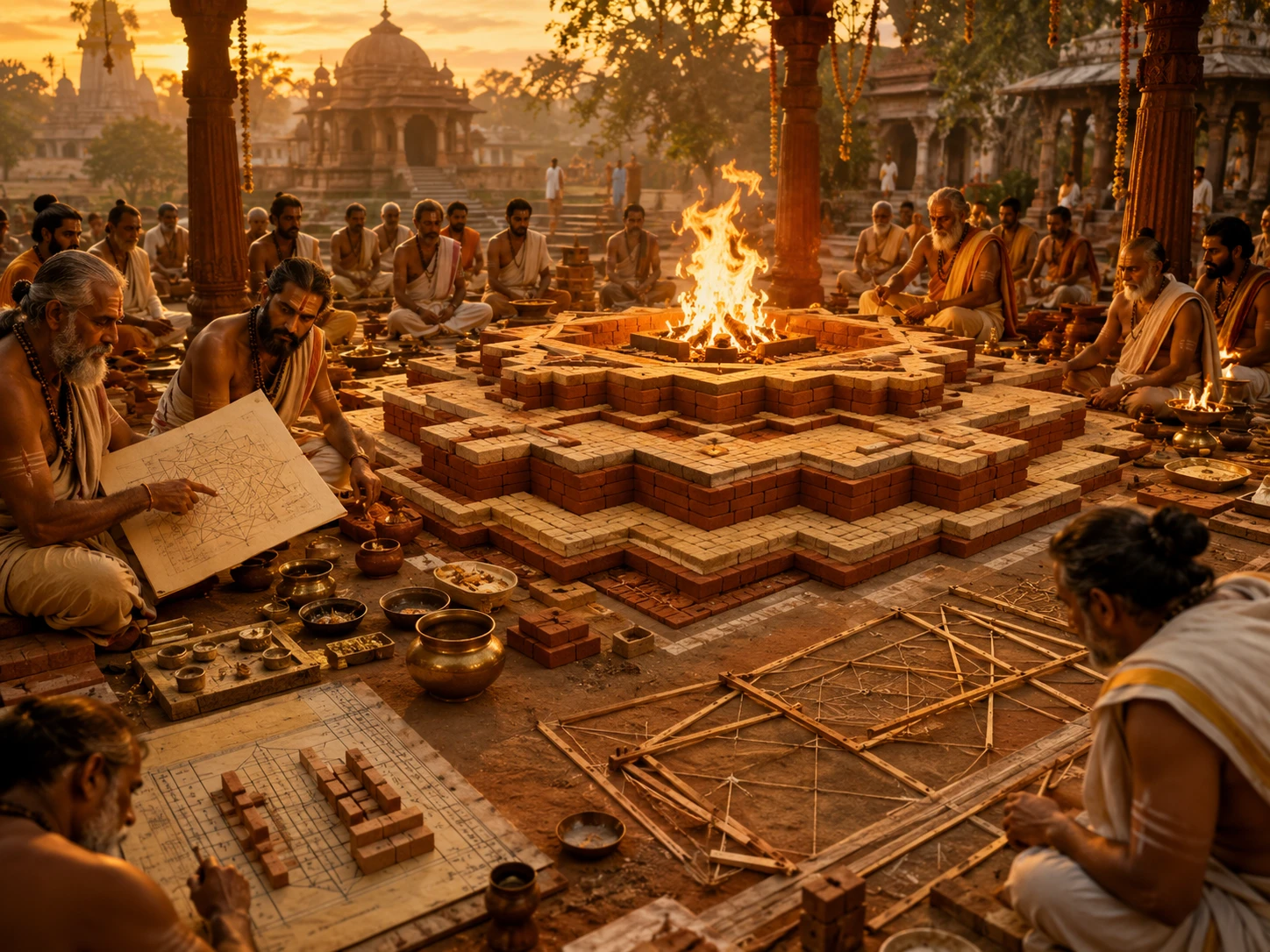
Agnichayana -- The Falcon-Shaped Fire Altar That Survived 3,000 Years
12 मिनट पढ़ें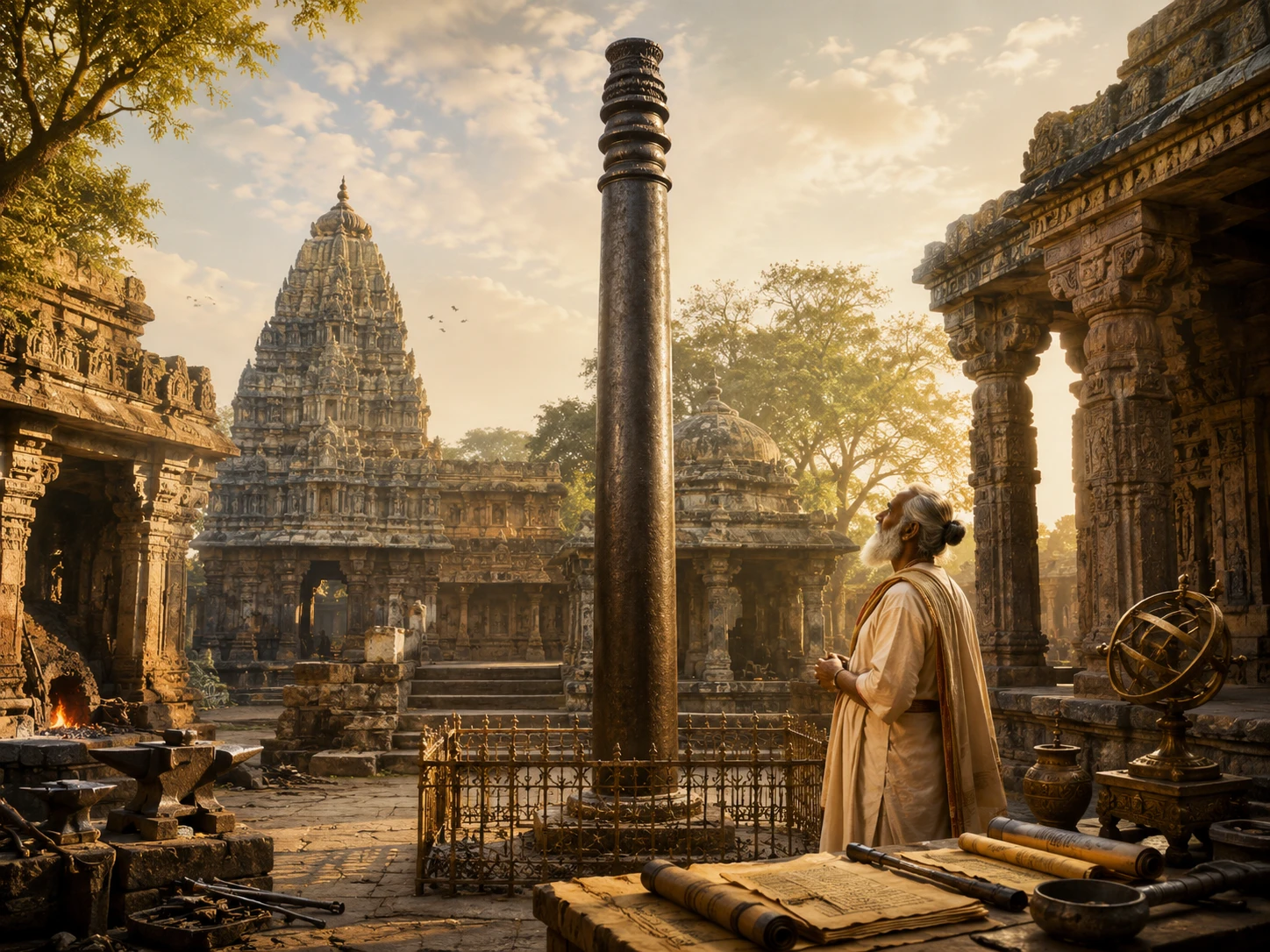
Ancient Indian Metallurgy -- The Iron Pillar That Refuses to Rust
13 मिनट पढ़ेंAryabhata -- The Astronomer Who Said the Earth Turns
3 मिनट पढ़ेंवही अनुवाद त्रुटि जिसने हिन्दू धर्म में '33 कोटि' को '33 करोड़' बनाया, बौद्ध धर्म में भी हुई। बौद्ध ग्रन्थों के चीनी अनुवाद ने 'सप्त कोटि बुद्ध' (7 श्रेष्ठ बुद्ध) का अनुवाद '7 करोड़ बुद्ध' कर दिया। तिब्बती अनुवाद ने सही …
Deities AvatarsCommunity Reflections
🕉️
Be the first to share your reflection.