Nag Panchami -- The Festival of the Serpents
नाग पंचमी -- नागों का पर्व
श्रावण मास में, मानसून के हृदय में, वर्षा साँपों के बिलों को भर देती है और उन्हें खेतों, रास्तों और घरों में निकाल देती है। यह वह ऋतु है जब लोगों का साँप से सामना सबसे अधिक होता है -- और श्रावण शुक्ल पंचमी को अनेक हिन्दू भय छोड़कर उनका सम्मान करते हैं। यह दिन नाग पंचमी है, नागों की पंचमी।
भारत भर में यह पर्व अनेक रूपों में मनाया जाता है। घरों की दीवारों और द्वारों पर चन्दन, हल्दी या गोबर से नागों के चित्र बनाए जाते हैं, या मिट्टी से बनाकर फूल, अक्षत और दूध से पूजे जाते हैं। स्त्रियाँ अपने भाइयों और सन्तानों की रक्षा की प्रार्थना करती हैं। कुछ क्षेत्रों में इस दिन लोग खुदाई, जुताई या सब्ज़ी काटने का काम नहीं करते, ताकि भूमि के भीतर किसी साँप को हानि न पहुँचे। नागों को समर्पित मन्दिर, और पवित्र वृक्षों के नीचे नाग-शिलाएँ, पूरे दिन भेंट पाते हैं।
हिन्दू पवित्र कथाओं में नाग सर्वत्र हैं, और लगभग सदा सम्मानित स्थानों पर। शेष या अनन्त, अन्तहीन नाग, वह शय्या हैं जिस पर विष्णु सृष्टियों के बीच विश्राम करते हैं, और लोकों का आधार हैं; बलराम और लक्ष्मण उनके अवतार माने जाते हैं। नागराज वासुकि देवों और दानवों द्वारा क्षीरसागर-मन्थन में मथनी की रस्सी बने, और शिव के गले में लिपटे रहते हैं। श्रीकृष्ण ने कालिय को यमुना से हटाने के लिए उसके फनों पर नृत्य किया, पर उसके प्राण छोड़ दिए। गीता में श्रीकृष्ण स्वयं को श्रेष्ठतम प्राणियों में गिनाते हैं: सर्पों में, वे कहते हैं, मैं वासुकि हूँ; नागों में अनन्त।
अनन्तश्चास्मि नागानां वरुणो यादसामहम् । पितॄणामर्यमा चास्मि यमः संयमतामहम् ॥
anantaścāsmi nāgānāṃ varuṇo yādasāmaham | pitṝṇāmaryamā cāsmi yamaḥ saṃyamatāmaham ||
नागों में मैं अनन्त हूँ; जलचरों में वरुण; पितरों में अर्यमा; और संयम करने वालों में यम हूँ।
— Bhagavad Gita 10.29
इस दिन प्रायः सुनाई जाने वाली एक कथा महाभारत के आरम्भ से आती है। अर्जुन के प्रपौत्र राजा जनमेजय को पता चला कि उनके पिता परीक्षित की मृत्यु तक्षक नाग के दंश से हुई थी। शोक और क्रोध में उन्होंने संसार के हर सर्प को जलाने के लिए एक महान यज्ञ आरम्भ किया, और हज़ारों साँप असहाय होकर अग्नि में खिंचने लगे। युवा ऋषि आस्तीक -- एक नाग माता और ब्राह्मण पिता के पुत्र -- यज्ञ में आए, अपनी बुद्धिमत्ता से राजा को प्रसन्न किया, और पुरस्कार के रूप में यज्ञ रोकने की विनती की। जनमेजय मान गए, और नाग बच गए। परम्परा उनके उद्धार के दिन को नाग पंचमी से जोड़ती है, और स्वयं महाभारत का पहला पाठ उसी यज्ञ के दौरान हुआ था।
हिन्दू परम्परा के महान नाग
| Naga | Known for |
|---|---|
| Shesha / Ananta | The endless serpent on whom Vishnu rests; bearer of the worlds; incarnate as Balarama and Lakshmana |
| Vasuki | King of the nagas; the rope in the churning of the ocean; coiled around Shiva's neck |
| Takshaka | Whose bite killed Parikshit, leading to Janamejaya's serpent sacrifice |
| Kaliya | The poisonous serpent of the Yamuna subdued by the boy Krishna |
| Manasa | The serpent goddess, worshipped especially in Bengal and eastern India during the rains |
केरल में अनेक पुरानी पारिवारिक सम्पत्तियाँ एक सर्प कावु रखती हैं, नाग-देवताओं के लिए बिना काटा छोड़ा गया एक छोटा पवित्र उपवन, जिसमें वृक्षों के नीचे नाग-शिलाएँ होती हैं। इन उपवनों ने पीढ़ियों तक चुपचाप देशी वन के टुकड़ों की रक्षा की है। हरिपाड के पास ऐसे ही उपवन में स्थित मन्नारशाला मन्दिर भारत के सबसे प्रसिद्ध नाग-स्थानों में से है, और इसकी पुजारिन परम्परागत रूप से मन्दिर-परिवार की एक स्त्री होती है।
दूध के बारे में एक बात। साँपों को दूध चढ़ाने की प्रथा पुरानी है, और अपने उचित रूप में दूध नागों की प्रतिमाओं और उन बाँबियों पर चढ़ाया जाता है जहाँ वे रहते हैं। जीवित साँपों को दूध पिलाना, जैसा कभी-कभी सँपेरों द्वारा पकड़कर दिखाए जाने वाले साँपों के साथ होता है, उन्हें हानि पहुँचाता है: साँप स्वाभाविक रूप से दूध नहीं पीते और इससे बीमार हो सकते हैं, और उन्हें प्रायः पर्व के लिए क्रूरता से पकड़कर रखा जाता है। भारतीय वन्यजीव कानून देशी साँपों की रक्षा करता है, और अब अनेक मन्दिर और प्रकृतिविद् भक्तों से जीवित पशुओं के बजाय प्रतिमाओं की पूजा का आग्रह करते हैं। यह वैसे भी पर्व की भावना के अधिक अनुरूप है। नाग पंचमी सदा वर्षा के प्राणियों के साथ शान्ति से रहने के बारे में थी -- उनका सम्मान करना, और उन्हें अहानि छोड़ देना।
पवित्र प्रतीक के रूप में नाग के बारे में पढ़ें
हिन्दू प्रतीकवाद में नाग, शिव के गले से लेकर रीढ़ के मूल में कुण्डलित कुण्डलिनी तक।
Eternal Raga · शाश्वत राग
Institutional voice — scholarly articles on Sanatan Dharma
अपनी समझ गहरी करें
अपनी समझ और गहरी करें
sacred symbols
Naga -- The Serpent in Hindu Cosmology, Temple, and Body
The Naga is not the snake of fear. He is the cosmic guardian who holds Vishnu while he sleeps, the rope that churned the ocean of milk, the necklace that Shiva wears, the energy coiled at the base of the spine. From the Sarpa Kavu groves of Kerala to the Nag Panchami rituals of north India, this is the most layered animal in Hindu thought.
rituals traditions
Shravan / Aadi -- The Holiest Month in the Hindu Calendar (And Why It Belongs to Shiva)
When the monsoon arrives and India turns green, the Hindu calendar enters its most intensely devotional month. In North India, it is Shravan (Sawan) -- Shiva's month, when every Monday sees millions fasting, every Shiva temple overflows, and the Kanwar Yatra sends 30 million pilgrims walking barefoot to collect Ganga water. In South India, it is Aadi -- Devi's month, when Amman temples blaze with special pujas and women perform Aadi Pooram and Aadi Perukku rituals. Same monsoon, different deities, identical intensity.
deities avatars
Shesha / Ananta -- The Infinite Serpent
Shesha is the thousand-headed serpent on whom Vishnu sleeps between cycles of creation. His name means 'the remainder' -- what is left when everything else dissolves. He descended once as Lakshmana to serve Rama, once as Balarama to serve Krishna, and continues to hold up the planets on his hoods in the theological imagination of Vaishnavism. This is the cosmic serpent who stays when worlds end.
deities avatars
Krishna Leela -- Why God Chose to Play
He stole butter, broke pots, lied to his mother's face, danced with married women under the full moon, and lifted an entire mountain on his little finger. The Bhagavata Purana's Tenth Skandha -- the most popular 4,000 verses in all of Hindu literature -- is not a biography. It is a theological argument that the Supreme Being's highest expression is not creation, destruction, or cosmic governance. It is play. Krishna Leela is the radical idea that God's truest nature is joy.
scriptural exegesis
Samudra Manthan -- When Gods and Demons Ran a Joint Venture and the Universe Almost Died
A cosmic ocean. A mountain for a churning rod. A serpent king for a rope. Gods on one end, demons on the other. And out came 14 treasures -- including wealth, beauty, medicine, immortality, and one poison so lethal it could end creation itself. The Samudra Manthan is not mythology. It is the original playbook for collaboration, crisis management, and how to handle it when your joint venture partner tries to cheat you.
deities avatars
Who is Shiva?
He is the ash-smeared ascetic who is also the ideal husband. The destroyer of the universe who is called 'The Auspicious One.' The god of death who drank poison to save all life. He sits in meditation on a Himalayan peak, and simultaneously dances the cosmos into existence and annihilation. No deity in Hinduism contains more contradictions -- and no deity resolves them more completely. This is not a mythology explainer. This is an attempt to stand at the foot of the mountain and look up.
केरल में अनेक पुरानी पारिवारिक सम्पत्तियाँ एक सर्प कावु रखती हैं, नाग-देवताओं के लिए बिना काटा छोड़ा गया एक छोटा पवित्र उपवन, जिसमें वृक्षों के नीचे नाग-शिलाएँ होती हैं। इन उपवनों ने पीढ़ियों तक चुपचाप देशी वन के टुकड़ों…
More in Rituals & Traditions
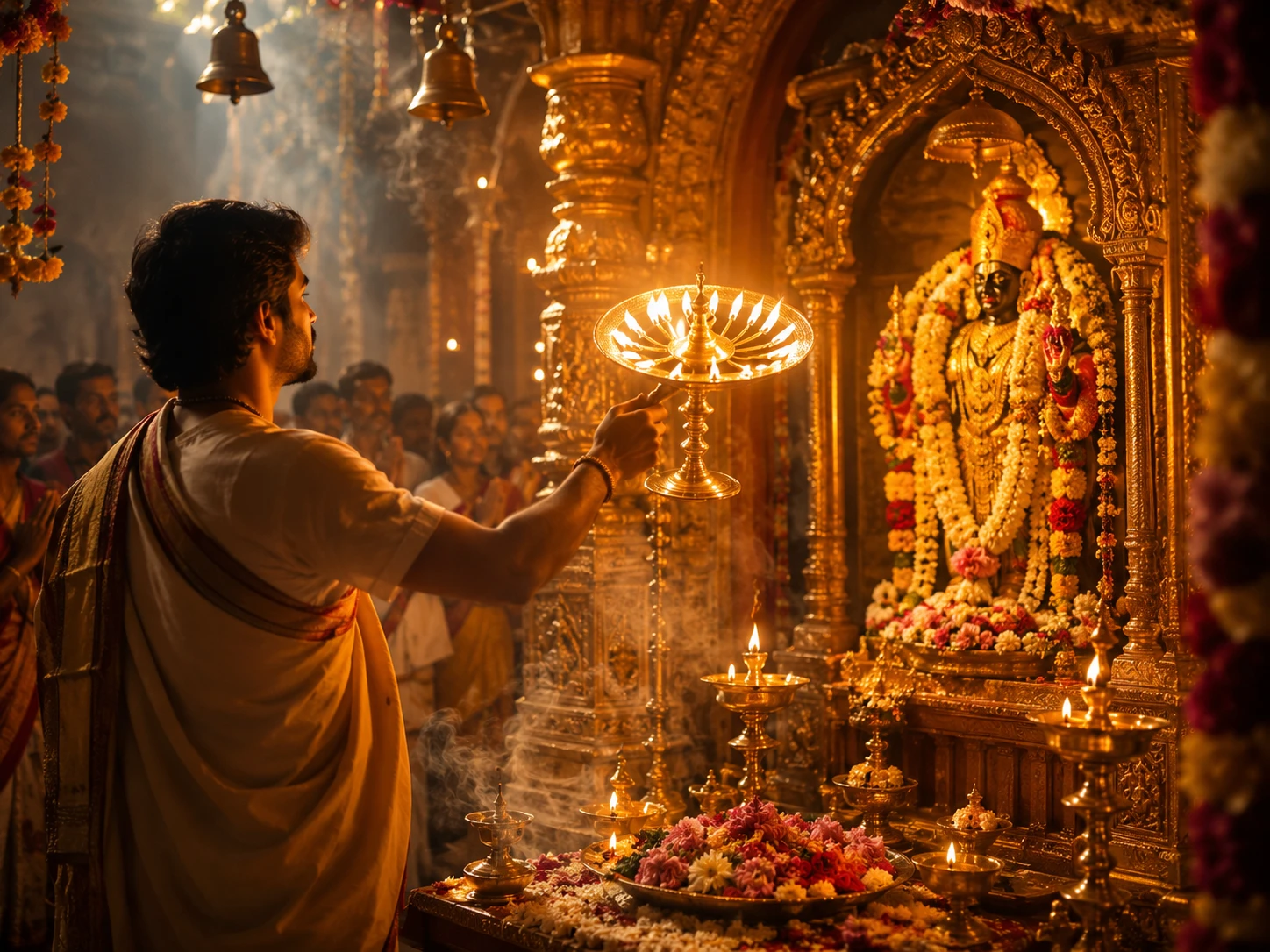
Aarti -- Why Hindus Circle Light Before God
13 मिनट पढ़ें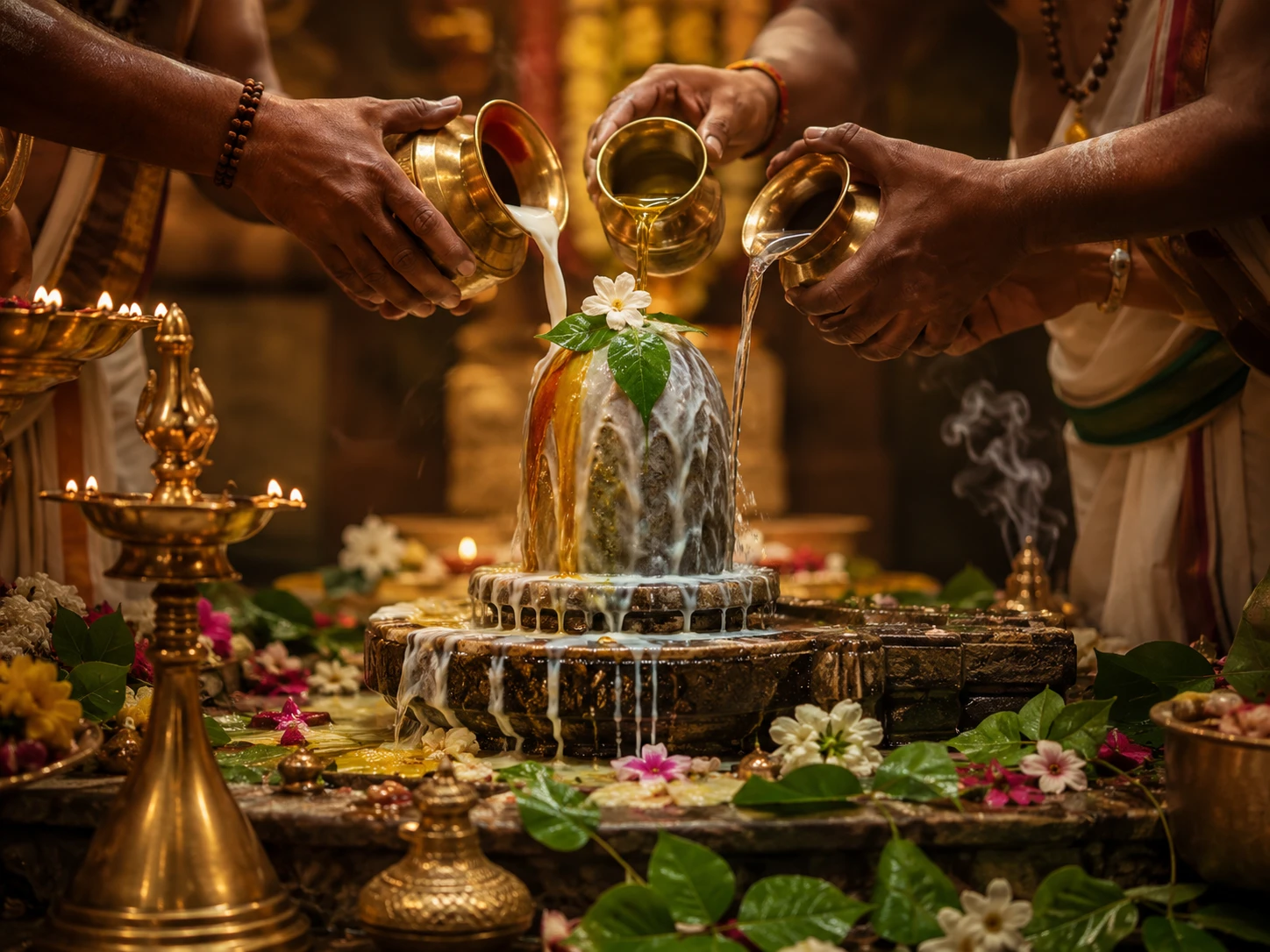
Abhisheka -- Why Hindus Bathe Their Gods
10 मिनट पढ़ें
Akshaya Tritiya -- The Day Nothing Given Away Runs Out
12 मिनट पढ़ेंवही अनुवाद त्रुटि जिसने हिन्दू धर्म में '33 कोटि' को '33 करोड़' बनाया, बौद्ध धर्म में भी हुई। बौद्ध ग्रन्थों के चीनी अनुवाद ने 'सप्त कोटि बुद्ध' (7 श्रेष्ठ बुद्ध) का अनुवाद '7 करोड़ बुद्ध' कर दिया। तिब्बती अनुवाद ने सही …
Deities AvatarsCommunity Reflections
🕉️
Be the first to share your reflection.