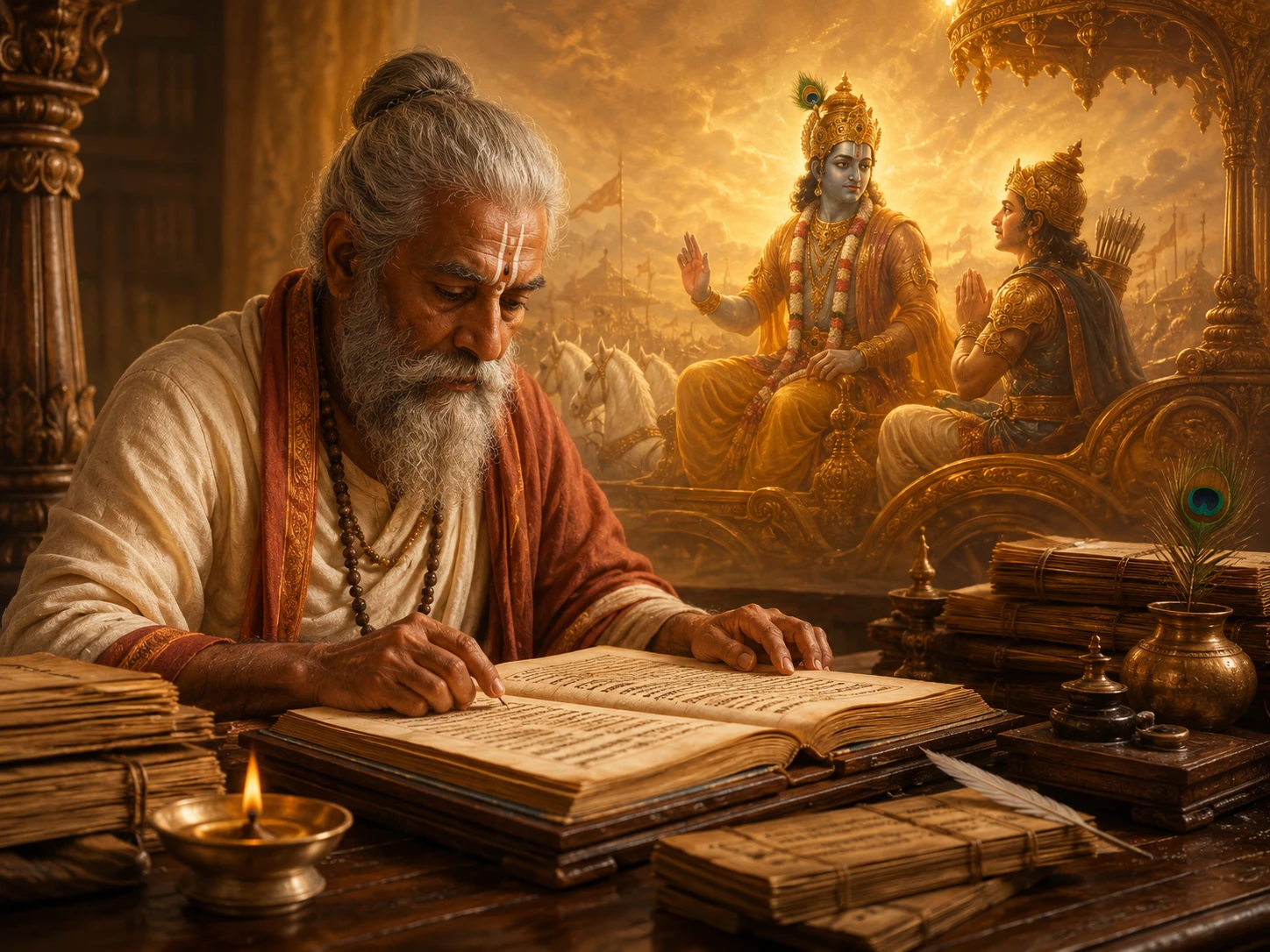
Gita Chapter 11 -- Vishwaroop: When Arjuna Saw Everything and Could Not Bear It
गीता अध्याय 11 -- विश्वरूप: जब अर्जुन ने सब कुछ देखा और सह नहीं पाया
दस अध्यायों तक कृष्ण दर्शन बोलता रहा है। आत्मा की प्रकृति, कर्म की नैतिकता, ज्ञान और भक्ति के मार्ग, क्षर और अक्षर का भेद। अर्जुन ने सुना, प्रश्न किए, और धीरे-धीरे पंगुता से स्पष्टता की ओर बढ़ा। फिर अध्याय 11 में अर्जुन एक माँग करता है जो सब बदल देती है: 'अपना विश्वरूप दिखाओ। मैंने तुम्हारे शब्द सुने। अब अपनी आँखों से देखना चाहता हूँ कि तुम वास्तव में क्या हो।'
कृष्ण उसे दिव्य दृष्टि देता है -- अलौकिक शक्ति जो मानव नेत्रों को वह देखने देती है जिसके लिए वे बने नहीं। और फिर विश्वरूप प्रकट करता है।
श्लोक 10-31 में जो होता है वह हिन्दू शास्त्र का सबसे निरन्तर दर्शनात्मक साहित्य है। अर्जुन अनन्त मुख, नेत्र, आभूषण, और अस्त्रों वाला रूप देखता है। सम्पूर्ण ब्रह्माण्ड एक शरीर में। सूर्य का तेज सहस्रगुणा। भूत, वर्तमान, भविष्य एक साथ। दोनों सेनाओं के योद्धा -- भीष्म, द्रोण, कर्ण, स्वयं के सहयोगी -- विशाल जलते मुखों में दौड़ते और भयानक दाँतों में कुचले जाते।
अर्जुन की प्रतिक्रिया भक्तिपूर्ण आनन्द नहीं। भय है। रोमांच खड़े हो जाते हैं। हाथ स्वतः जुड़ जाते हैं। हकलाता है। कहता है: 'तुम्हारे अनेक मुखों, नेत्रों, भुजाओं, जंघाओं, पैरों, उदरों, और भयानक दाँतों वाले विराट रूप को देखकर लोक काँप रहे हैं, और मैं भी।' (श्लोक 23)। यह पूजा नहीं। अनन्तता से बिना मध्यस्थ मिलने की कच्ची मानवीय प्रतिक्रिया है।
श्लोक 32 वह श्लोक है जो विश्व इतिहास में प्रवेश कर गया: 'कालोऽस्मि लोकक्षयकृत्प्रवृद्धो' -- 'मैं काल हूँ, लोकों का महान संहारक, यहाँ लोकों को नष्ट करने में प्रवृत्त।' मैनहट्टन प्रोजेक्ट के निदेशक जे. रॉबर्ट ओपेनहाइमर ने 16 जुलाई 1945 को ट्रिनिटी में पहले परमाणु विस्फोट के बाद यह श्लोक स्मरण किया। उनका अनुवाद 'Death' (मृत्यु) प्रयोग करता है जहाँ संस्कृत 'काल' (समय) कहता है -- जो अधिक सटीक और अधिक विनाशकारी है। काल द्वेष से नहीं मारता। प्रगति से मारता है। जो कुछ अस्तित्व में है, अस्तित्व में नहीं रहेगा -- इसलिए नहीं कि ईश्वर क्रोधित है, बल्कि इसलिए कि काल यथार्थ है।
कालोऽस्मि लोकक्षयकृत्प्रवृद्धो लोकान्समाहर्तुमिह प्रवृत्तः। ऋतेऽपि त्वां न भविष्यन्ति सर्वे येऽवस्थिताः प्रत्यनीकेषु योधाः॥
kālo 'smi loka-kṣaya-kṛt pravṛddho lokān samāhartum iha pravṛttaḥ | ṛte 'pi tvāṁ na bhaviṣyanti sarve ye 'vasthitāḥ pratyanīkeṣu yodhāḥ ||
मैं लोकों का संहार करने वाला प्रवृद्ध काल हूँ, यहाँ लोकों का संहार करने प्रवृत्त। तुम्हारे बिना भी प्रतिपक्ष में खड़े सभी योद्धा नहीं बचेंगे।
— Bhagavad Gita, Adhyaya 11, Shloka 32
अध्याय 11 की धर्मशास्त्रीय संरचना जानबूझकर आघात-चिकित्सा है। कृष्ण दस अध्यायों तक सुलभ रहा -- सारथी, मित्र, मानवीय भाषा में बोलता शिक्षक। विश्वरूप उस सुलभता को तोड़ता है। कहता है: जो सत्ता तुम्हारे बगल में बैठी रही, तुम्हारे साथ खाती रही, हँसती रही -- वही सत्ता हर तारा, हर मृत्यु, हर काल-क्षण समेटे है। तुम्हारा मित्र शून्य भी है।
अर्जुन सह नहीं पाता। विनती करता है कि कृष्ण अपने परिचित चतुर्भुज विष्णु रूप में, फिर द्विभुज मानव रूप में लौटे। 'तुम्हारा यह उग्र रूप देखकर भयभीत हूँ। प्रसन्न होओ, देवेश, और पुनः अपना सौम्य रूप दिखाओ' (श्लोक 45)। कृष्ण स्वीकार करता है। सारथी बन जाता है। लेकिन कुछ भी वैसा नहीं रहता। अर्जुन अब जानता है कि जो उसका रथ हाँक रहा है, वही सत्ता ब्रह्माण्ड को ग्रास कर रही है।
यह मानवीय बोध की सीमाओं पर गीता की टिप्पणी है। हम बौद्धिक रूप से अनन्तता पर चर्चा कर सकते हैं। 'ईश्वर सर्वव्यापी है' और 'सब ब्रह्म है' जैसे वाक्यों पर सिर हिला सकते हैं। लेकिन जब हम वास्तव में देखते हैं -- जब फ़िल्टर गिरता है और कच्चा संकेत आता है -- हम टूट जाते हैं। विश्वरूप बिना संज्ञानात्मक मध्यस्थता के यथार्थ का रूप है। यह बहुत अधिक है। और कृष्ण, करुणा में, फ़िल्टर लौटने देता है।
अध्याय का समाधान गहन सान्त्वना देता है। ब्रह्माण्डीय भय के बाद कृष्ण अर्जुन को श्लोक 55 में बताता है कि उस तक पहुँचने का मार्ग है भक्ति, एकनिष्ठ कर्म, आसक्ति से मुक्ति, और समस्त प्राणियों से शत्रुता से मुक्ति। शास्त्र का सबसे भयावह दर्शन दिखाने के बाद ईश्वर का व्यावहारिक निर्देश उल्लेखनीय रूप से कोमल है: मुझसे प्रेम करो, अपना कर्म करो, छोड़ दो, और दयालु बनो। ब्रह्माण्ड अपरिमित है। उसमें तुम्हारा मार्ग सरल है।
विश्वरूप कम से कम 1,500 वर्षों से भारतीय कला में चित्रित है। सबसे प्राचीन जीवित मूर्तिकला देवगढ़ दशावतार मन्दिर (5वीं शताब्दी ईस्वी, उत्तर प्रदेश) में है। सबसे प्रसिद्ध चित्र 18वीं शताब्दी का बसोहली लघुचित्र है। 2023 में राष्ट्रीय आधुनिक कला दीर्घा, नई दिल्ली में एक डिजिटल कला प्रदर्शनी ने AI-जनित प्रक्षेपणों से 360-डिग्री विश्वरूप अनुभव सृजित किया -- दर्शकों ने वही शारीरिक लक्षण बताए जो अर्जुन वर्णित करता है: रोमांच, चक्कर, और अनैच्छिक आँसू। अध्याय ने विज्ञान कल्पना को भी प्रत्यक्ष प्रभावित किया: अन्तरिक्ष यात्री जो 'ओवरव्यू इफ़ेक्ट' बताते हैं -- पृथ्वी अन्तरिक्ष से देखने पर श्रद्धा, परस्पर-सम्बद्धता, और अस्तित्वगत भय -- ठीक अर्जुन के अनुभव पर आरोपित होता है।
विश्वरूप पर ध्यान करो
ग्यारहवाँ अध्याय धीरे-धीरे पढ़ो, फिर आँखें बन्द करके अर्जुन के दर्शन से स्वयं गुज़रो -- रथ से विराट रूप तक और वापस श्वास तक। यह कमज़ोर हृदय वालों के लिए नहीं। यह अध्याय संस्कृत और अर्थ सहित एटर्नल राग पर है।
Tags
Eternal Raga · शाश्वत राग
Institutional voice — scholarly articles on Sanatan Dharma
अपनी समझ गहरी करें
अपनी समझ और गहरी करें
scriptural exegesis
Gita Chapter 2 -- Sankhya Yoga: The Chapter That Changed Indian Philosophy Forever
Arjuna drops his bow. His hands shake. He tells Krishna he would rather beg for food than kill his teachers and cousins. Krishna's response in Chapter 2 is the philosophical backbone of the entire Gita -- covering the immortality of the soul, the ethics of action without attachment, and the portrait of the Sthitaprajna (the person of steady wisdom). This single chapter contains more quotable verses than most entire scriptures. 'Karmanye vadhikaraste' lives on WhatsApp statuses for a reason.
scriptural exegesis
Gita Chapter 12 -- Bhakti Yoga: The Shortest Chapter With the Longest Impact
With just 20 verses, Gita Chapter 12 is the shortest in the entire scripture -- yet it answers the biggest question: what does God actually want from you? Krishna's answer is not rituals, not renunciation, not philosophy. It is love. And then he draws the most specific personality sketch of an ideal human being ever written.
scriptural exegesis
Gita Chapter 18 -- Moksha Sannyasa Yoga: The Final Exam Where Krishna Says 'Do As You Wish'
78 verses. The longest chapter in the Gita. Krishna classifies everything -- knowledge, action, doer, intellect, happiness -- into three gunas, then drops the most radical verse in Indian scripture: abandon all dharmas and just surrender to Me. And then, in a move no dictator would ever make, he tells Arjuna: now do as you wish.
deities avatars
Dashavatara -- Why Vishnu Comes Back Ten Times
Fish, tortoise, boar, half-lion, dwarf, axe-warrior, prince, cowherd, enlightened teacher, future horseman. The ten avatars of Vishnu are not random folklore. Read them in sequence and you get something startling -- a narrative that mirrors evolutionary biology, tracks the rise and fall of political systems, and argues that God does not sit above history but enters it, gets dirty, and does the work. The Dashavatara is Hinduism's answer to the question every civilisation asks: why does the world keep breaking, and who fixes it?
deities avatars
Narasimha -- The Avatar Who Broke Every Rule to Keep His Word
Hiranyakashipu thought he had hacked the universe. His boon covered every loophole -- no man, no animal, no weapon, no time, no place could kill him. He forgot one thing: God is not bound by the categories God created. Narasimha -- half-man, half-lion, appearing at twilight on a threshold with bare claws -- is Hinduism's most terrifying avatar and its most precise legal argument. The message is not that tyranny will be punished. The message is that tyranny's own logic contains its destruction.
deities avatars
Krishna Leela -- Why God Chose to Play
He stole butter, broke pots, lied to his mother's face, danced with married women under the full moon, and lifted an entire mountain on his little finger. The Bhagavata Purana's Tenth Skandha -- the most popular 4,000 verses in all of Hindu literature -- is not a biography. It is a theological argument that the Supreme Being's highest expression is not creation, destruction, or cosmic governance. It is play. Krishna Leela is the radical idea that God's truest nature is joy.
विश्वरूप कम से कम 1,500 वर्षों से भारतीय कला में चित्रित है। सबसे प्राचीन जीवित मूर्तिकला देवगढ़ दशावतार मन्दिर (5वीं शताब्दी ईस्वी, उत्तर प्रदेश) में है। सबसे प्रसिद्ध चित्र 18वीं शताब्दी का बसोहली लघुचित्र है। 2023 में…
More in Scriptural Exegesis
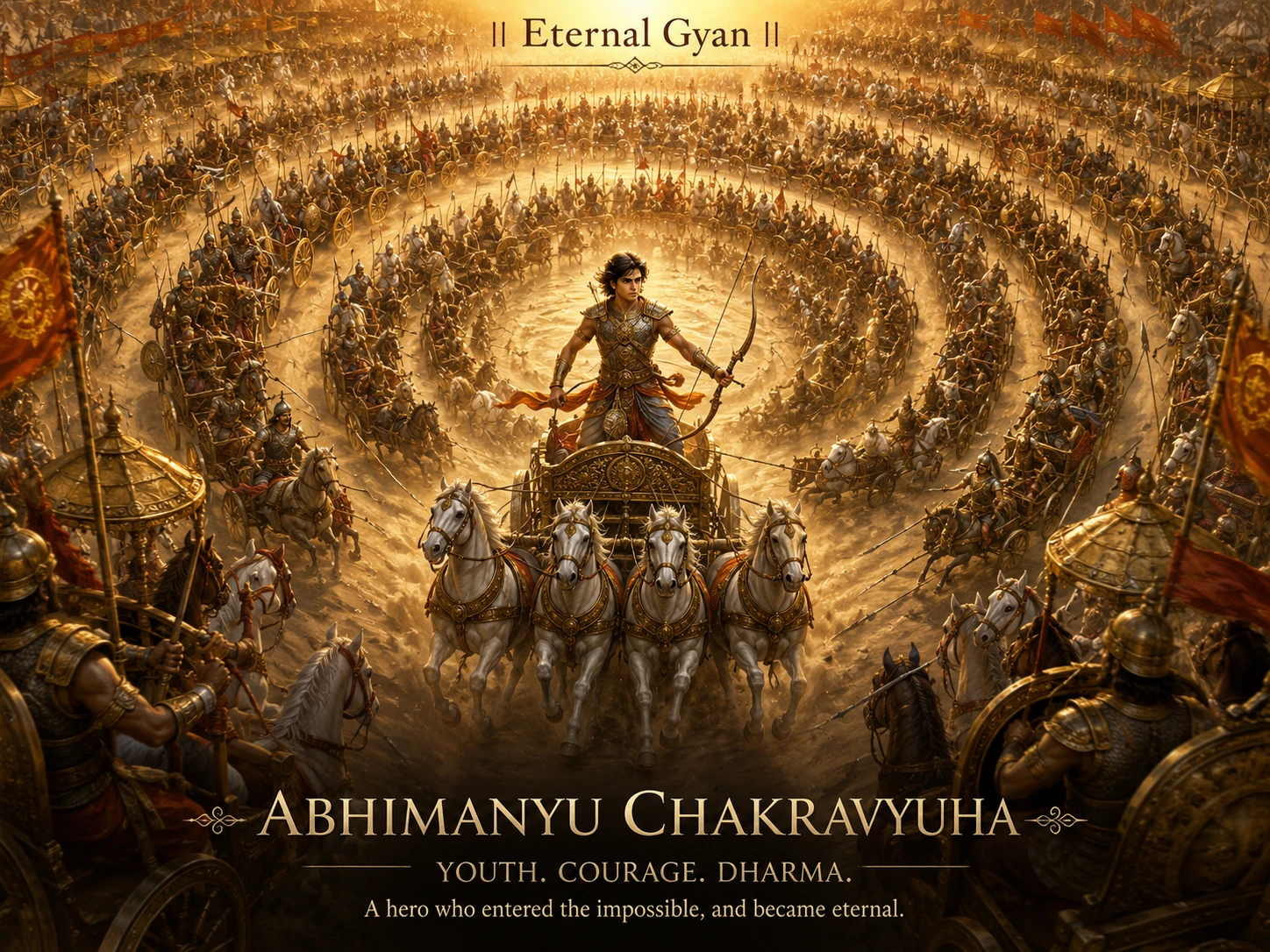
Abhimanyu and the Chakravyuha -- The Boy Who Knew How to Enter but Not How to Leave
14 मिनट पढ़ें
Adbhuta Ramayana -- The Ramayana Where Sita Becomes Kali
9 मिनट पढ़ें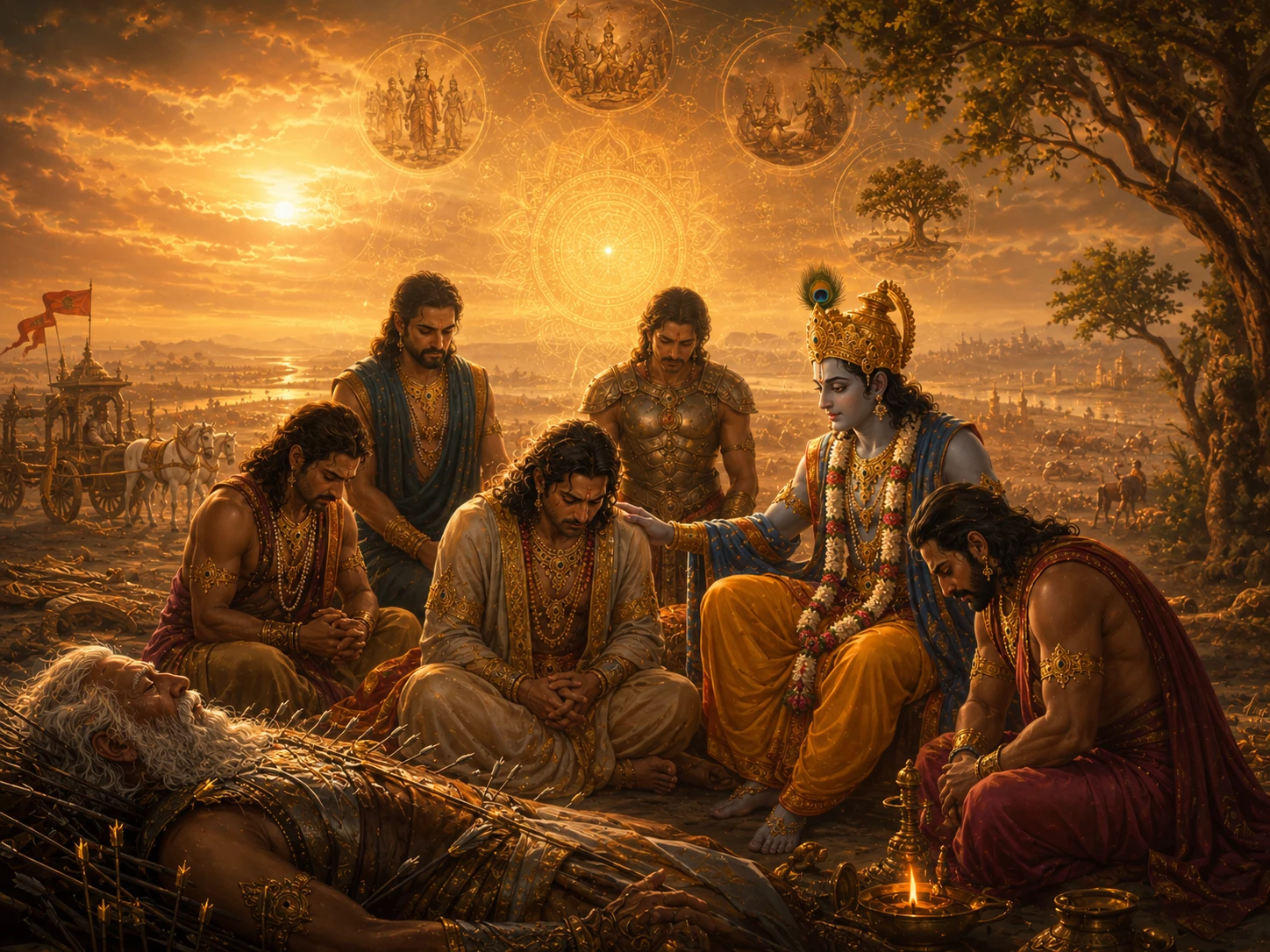
After Kurukshetra -- What Happened Next
14 मिनट पढ़ेंवही अनुवाद त्रुटि जिसने हिन्दू धर्म में '33 कोटि' को '33 करोड़' बनाया, बौद्ध धर्म में भी हुई। बौद्ध ग्रन्थों के चीनी अनुवाद ने 'सप्त कोटि बुद्ध' (7 श्रेष्ठ बुद्ध) का अनुवाद '7 करोड़ बुद्ध' कर दिया। तिब्बती अनुवाद ने सही …
Deities AvatarsCommunity Reflections
🕉️
Be the first to share your reflection.