108 Names of Lord Shiva with Meaning
शिव के 108 नाम अर्थ सहित
The 108 sacred names of Lord Shiva, organized by nine divine themes — from the fierce Rudra to the beloved Umapati. Each name reveals a unique aspect of Mahadeva's infinite nature.
Shiva Ashtottara Shatanamavali · शिव अष्टोत्तर शतनामावली
Listen to all 108 names chanted in traditional Vedic style
Nine Divine Themes
Explore All 9 Facets of Shiva
Click any theme to begin — each card leads to 12 sacred names
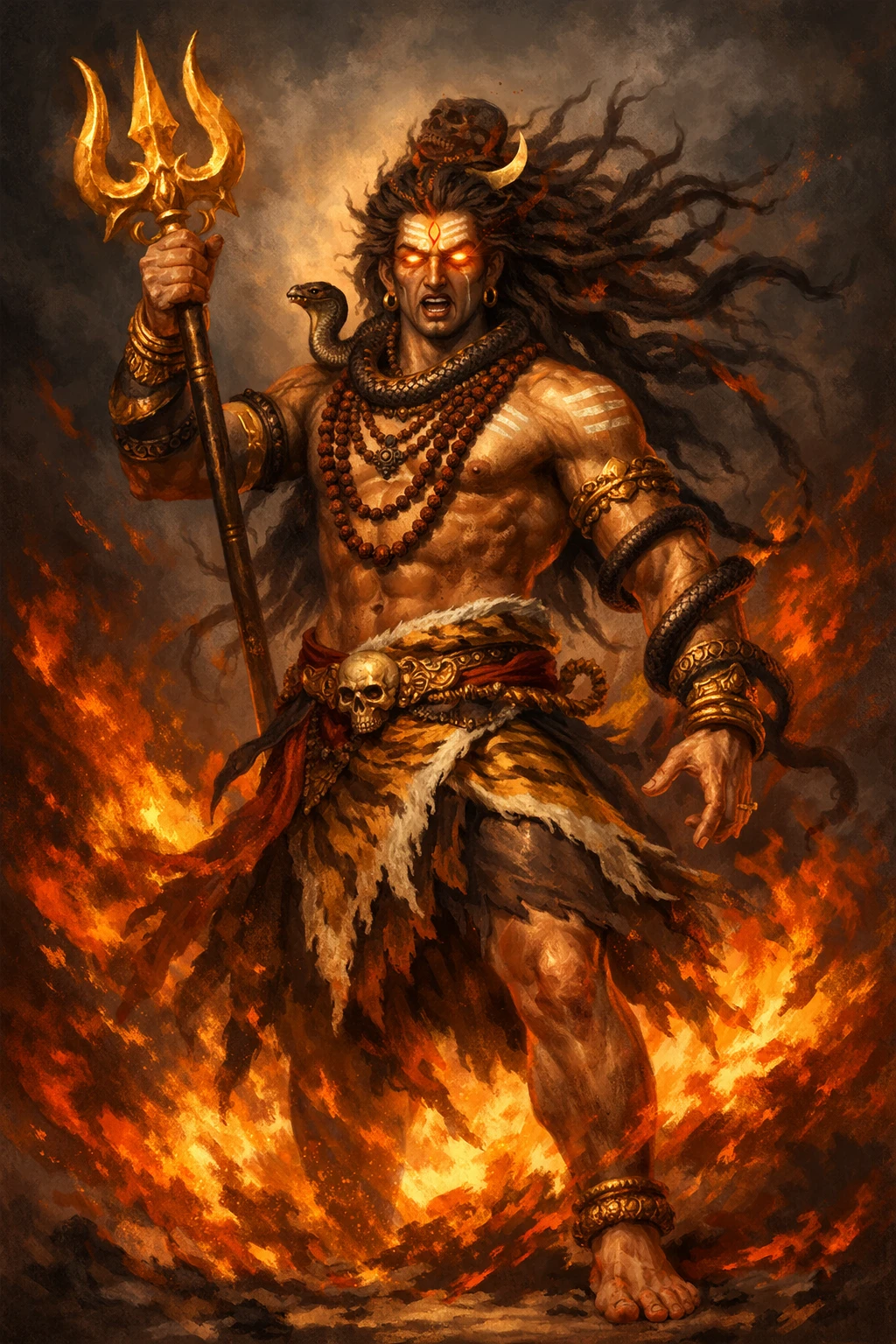
The Fierce One
रुद्र — उग्र रूपIntense, confrontational, transformative
Explore 12 Names ▼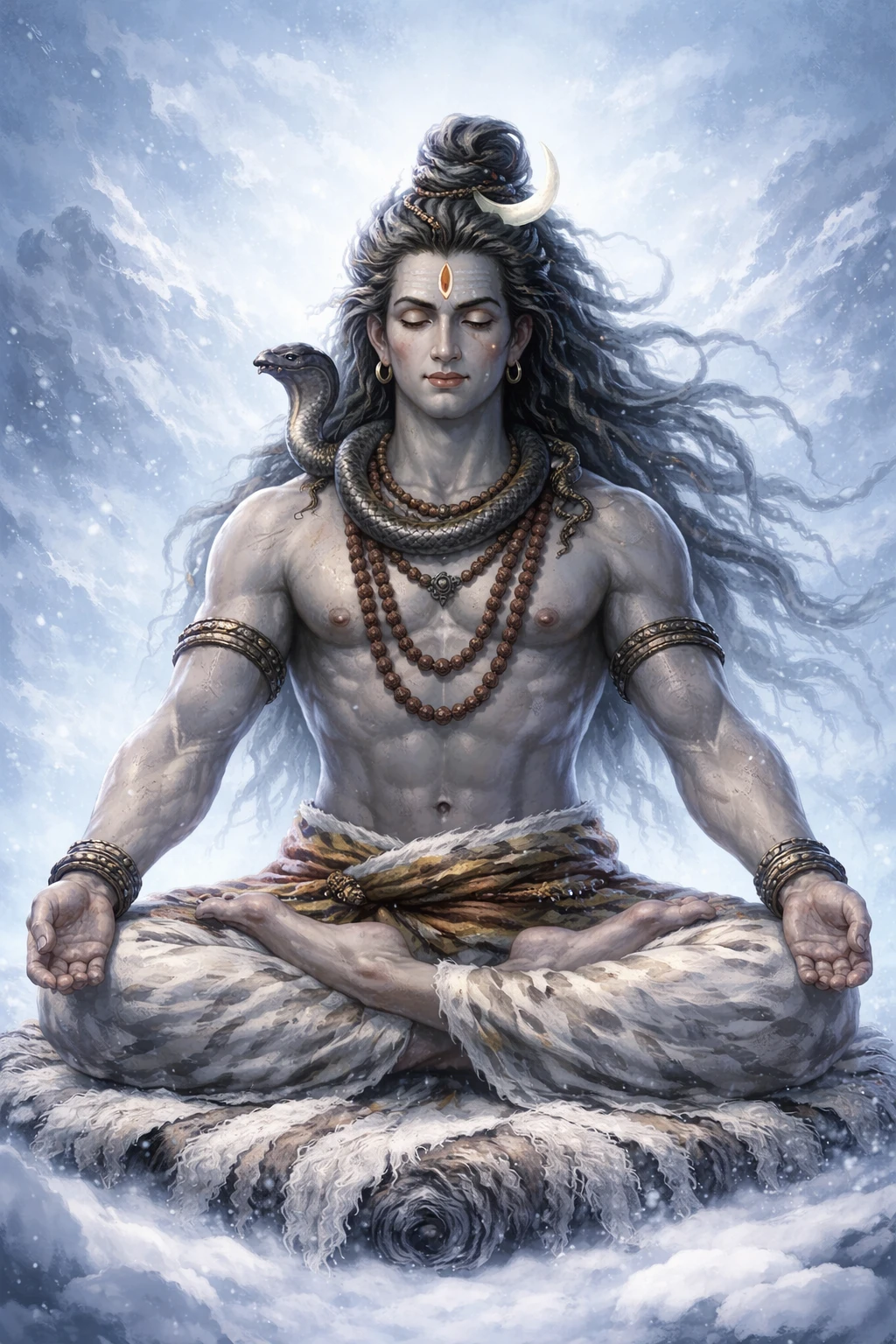
The Still One
शान्त — शांत रूपCalm, meditative, serene, deeply peaceful
Explore 12 Names ▼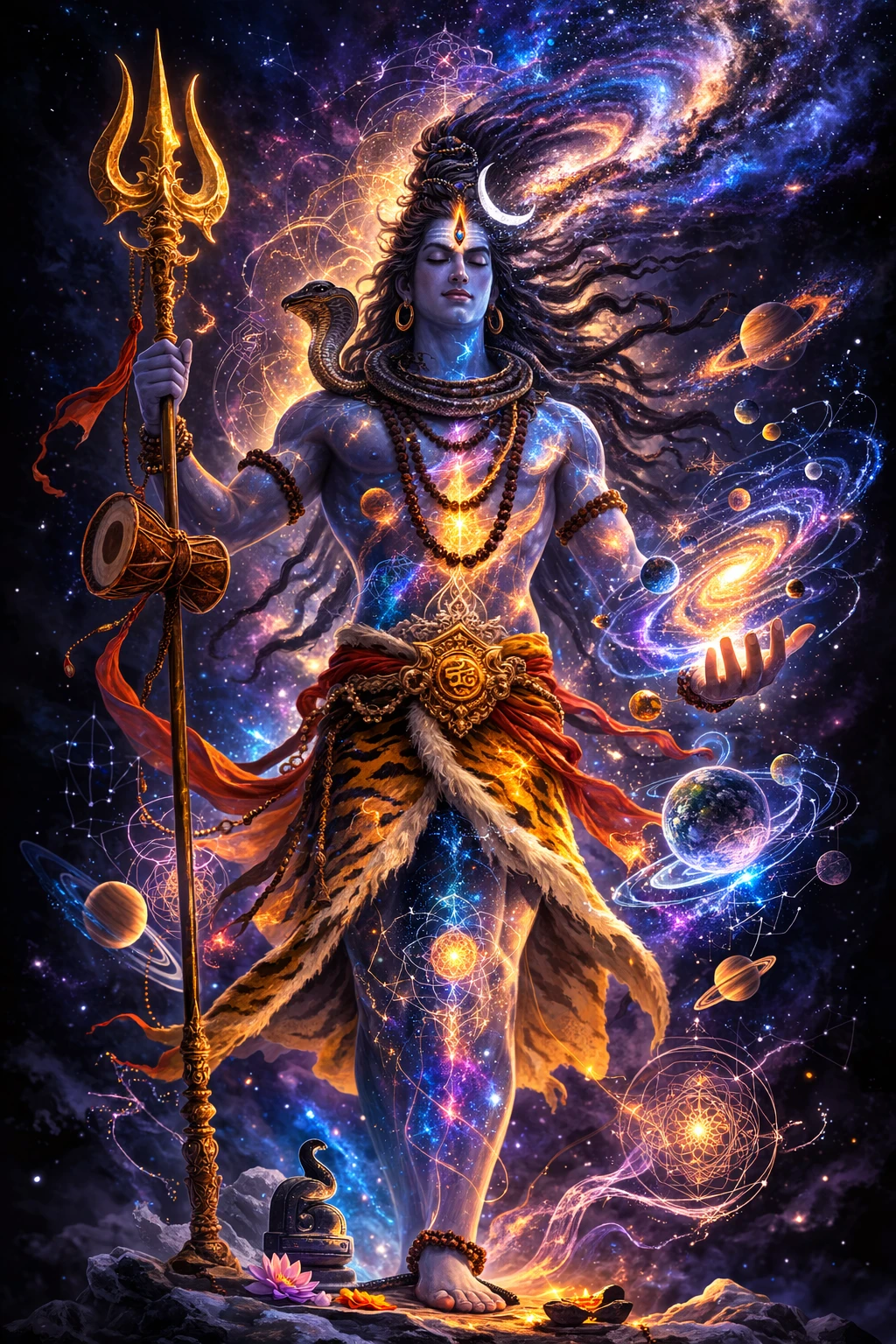
The Cosmic One
विश्व — ब्रह्मांडीय रूपVast, awe-inspiring, philosophical, mind-expanding
Explore 12 Names ▼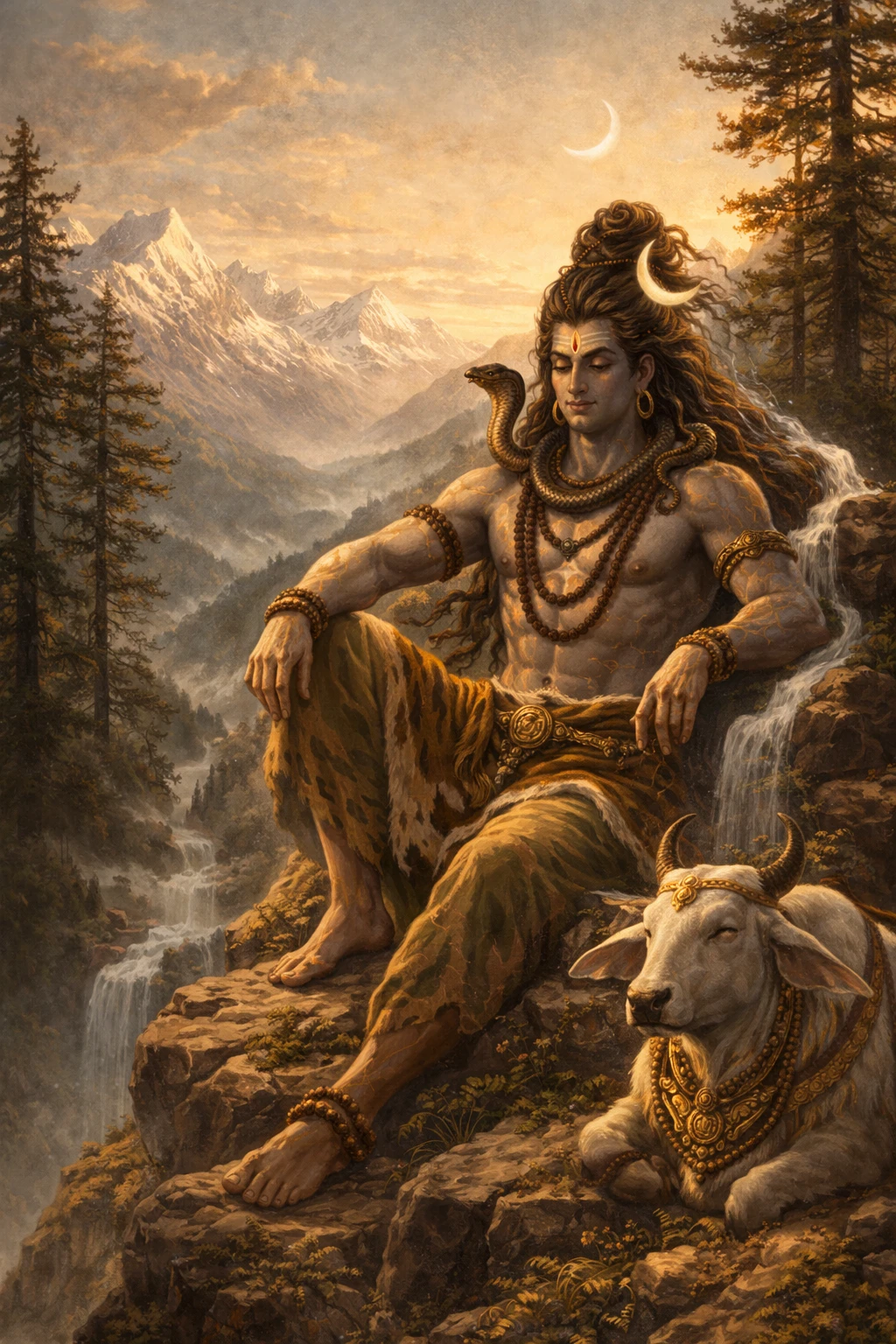
The Mountain Lord
गिरि , प्रकृति का स्वामीGrounded, majestic, earthy, elemental
Explore 12 Names ▼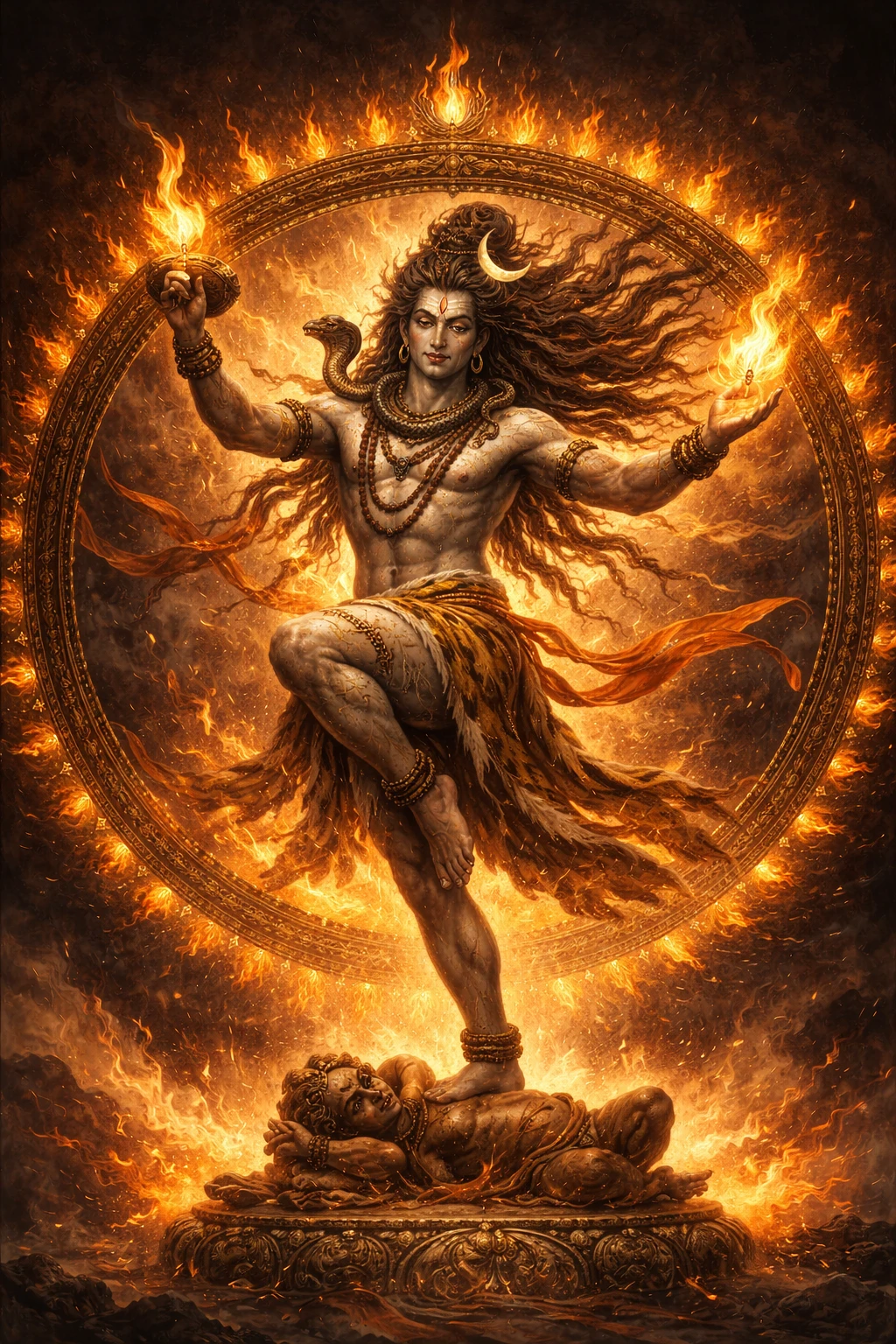
The Cosmic Dancer
नर्तक — ब्रह्मांडीय नर्तकDynamic, creative, rhythmic, ecstatic, joyful destruction
Explore 12 Names ▼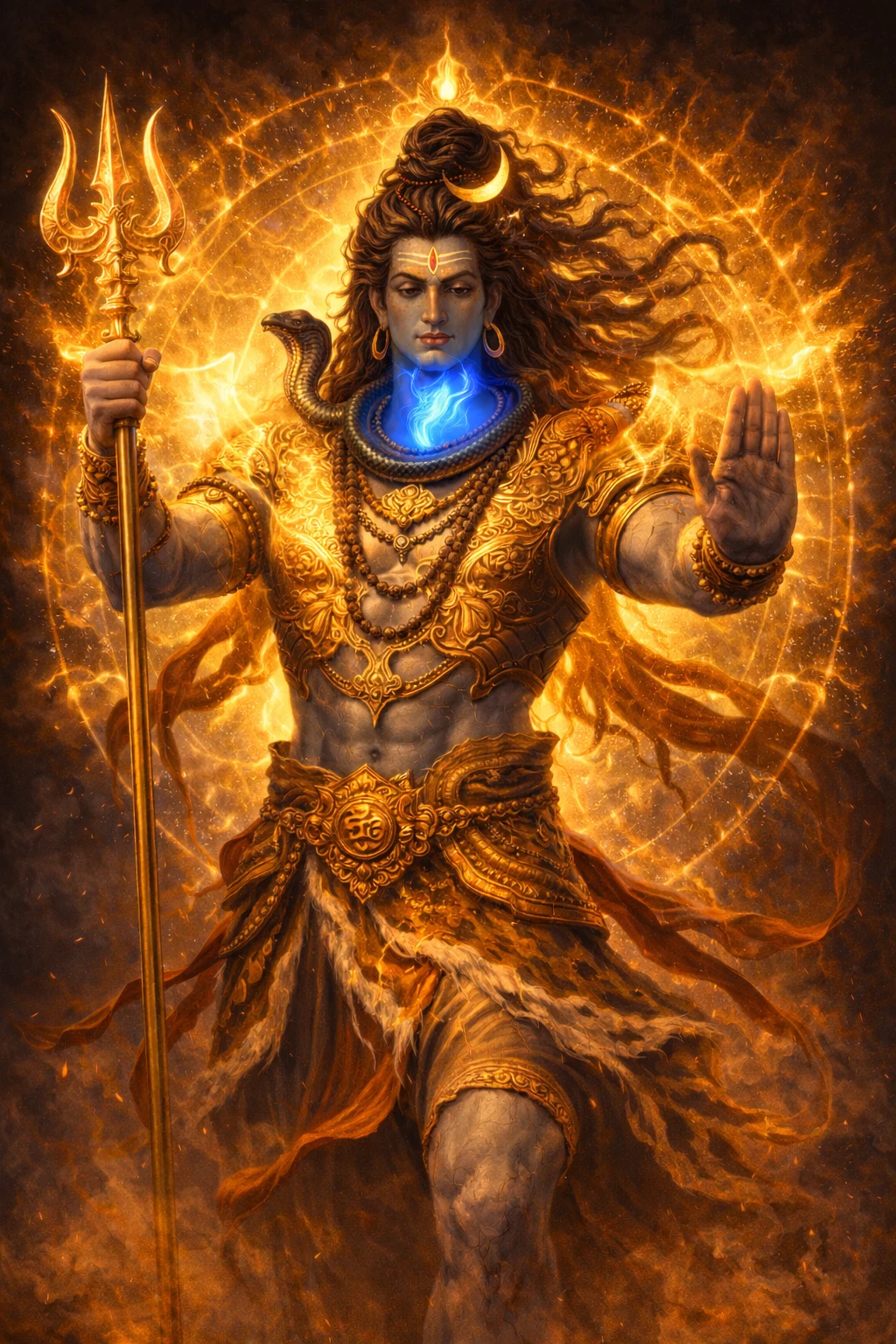
The Protector
रक्षक — संरक्षकPowerful, protective, invincible, fiercely loving
Explore 12 Names ▼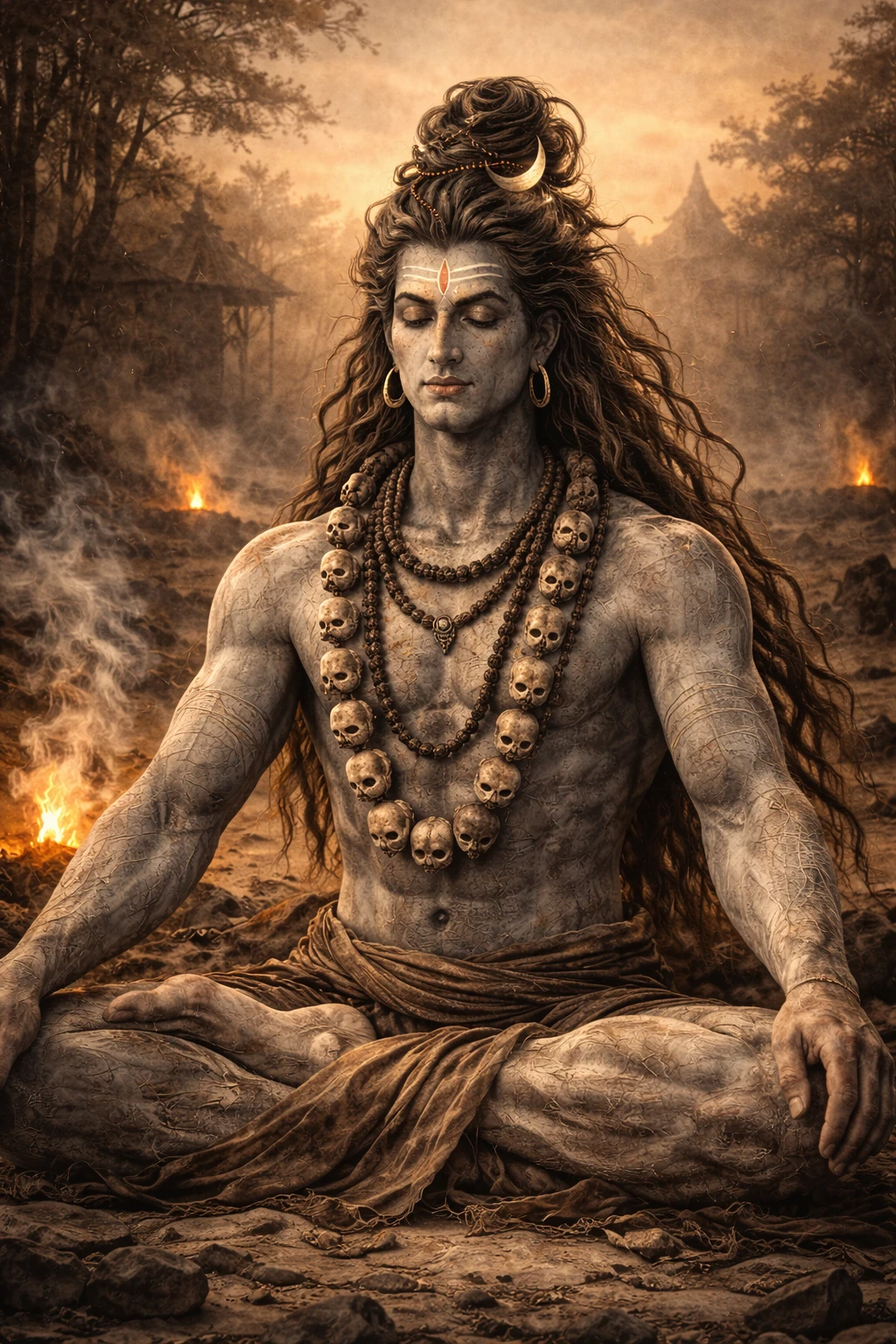
The Ascetic
योगी — तपस्वीDetached, austere, transcendent, radically free
Explore 12 Names ▼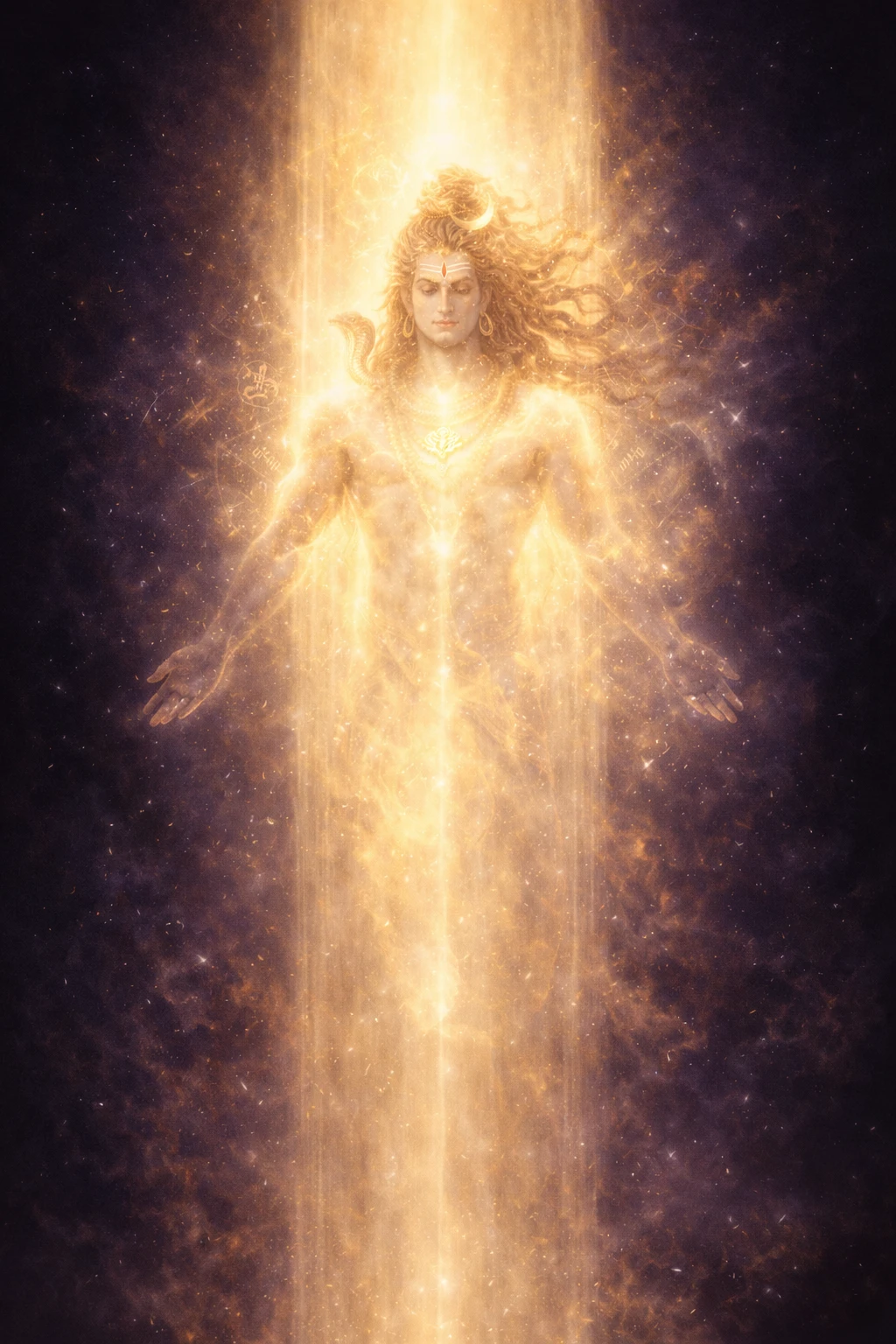
The Timeless
सदाशिव — शाश्वतInfinite, timeless, absolute, beyond comprehension
Explore 12 Names ▼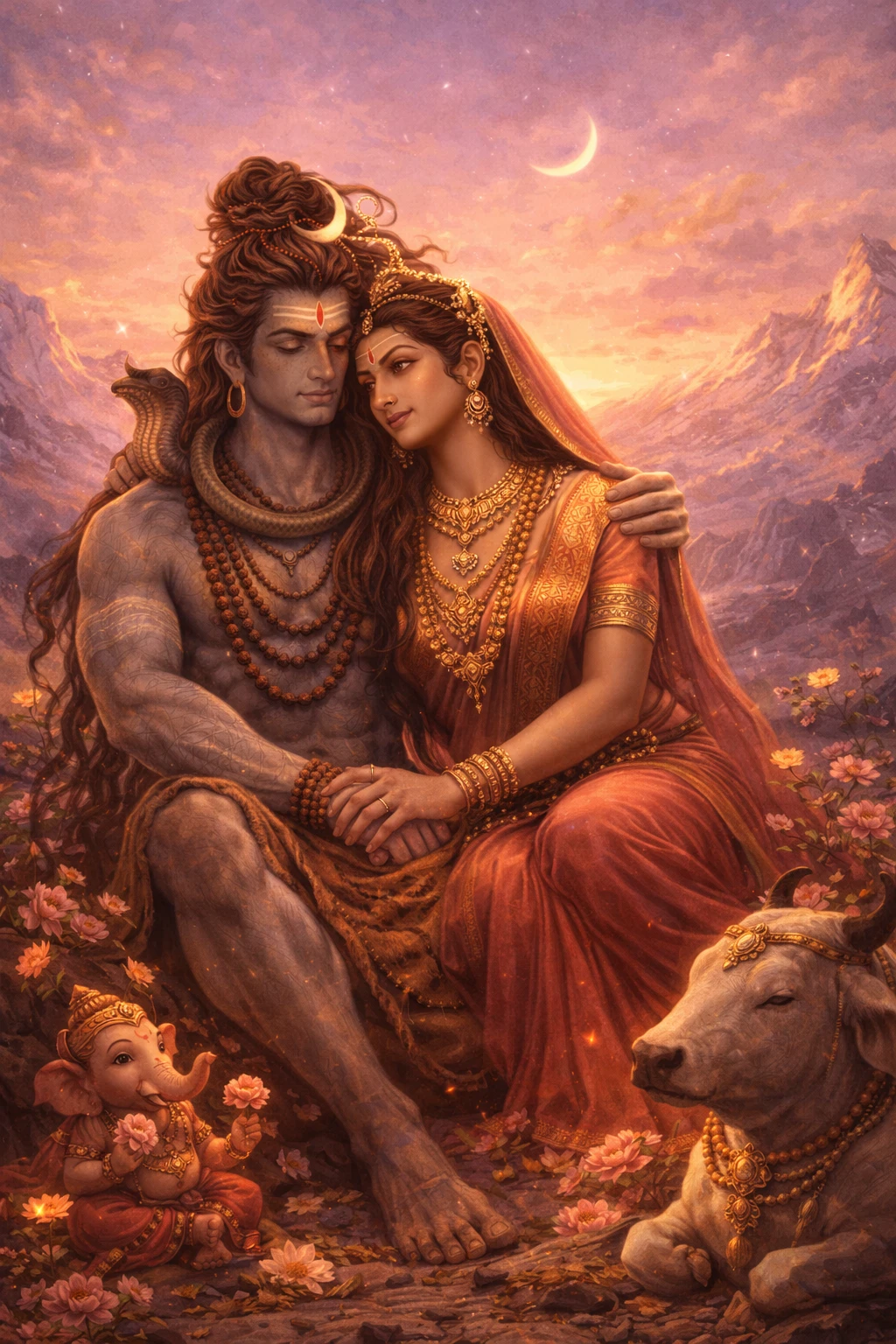
The Beloved
प्रियतम — प्रेम स्वरूपLoving, tender, romantic, complete, homecoming
Explore 12 Names ▼The Fierce One·रुद्र — उग्र रूप
Intense, confrontational, transformative
Before Shiva was the gentle householder or the serene meditator, He was Rudra — the howl at the edge of creation, the fire that answers injustice, the storm that clears what cannot be healed. The Rudra aspect is not Shiva's anger losing control; it is divine precision in a terrifying form. These twelve names are doorways into that primal force — the kind of energy that does not negotiate, does not compromise, and does not leave the broken half-standing. If you feel something fierce rising in you when you encounter these names, good. That is the recognition.
Names 1-12 · 12 Names
The Still One·शान्त — शांत रूप
Calm, meditative, serene, deeply peaceful
After the fire, the snow. After the howl, the silence that holds everything the howl could not. Shiva on Kailash is not sleeping. He is more awake than any moving thing has ever been. The Shanta aspect is not the absence of power — it is power so complete it no longer needs to demonstrate itself. These twelve names belong to the Shiva who sits unmoving while galaxies spiral and collapse around him. Approach slowly. Breathe. Let your shoulders drop. Some names are doors you walk through. These are thresholds you sit before.
Names 13-24 · 12 Names
The Cosmic One·विश्व — ब्रह्मांडीय रूप
Vast, awe-inspiring, philosophical, mind-expanding
Pull back. Further. Further still. Past the city, the continent, the atmosphere, the solar system, the galaxy, the supercluster — and there, at the outermost edge of everything that exists, you find not emptiness but Shiva. Not a god observing the universe. The universe itself, aware of being a universe. These twelve names do not describe a being who controls creation. They describe the one whose body IS creation — every atom a cell, every law of physics a thought, every galaxy a gesture. You are not looking at him. You are looking from inside him. You always were.
Names 25-36 · 12 Names
The Mountain Lord·गिरि , प्रकृति का स्वामी
Grounded, majestic, earthy, elemental
Come down from the stars. Put your feet on the ground. After the fire, the silence, and the infinite , here is Shiva in his most touchable form: in the crack of a glacier, the cold breath of a deodar forest at dawn, the muscular rush of the Ganga through a gorge, the exact weight of a wet river stone in your palm. This is not the Shiva of temples built by kings. This is the Shiva that Uttarakhand shepherds have always known , the one who smells of pine resin and glacier water, who answers not in visions but in weather, in seasons, in the sheer immovable fact of stone.
Names 37-48 · 12 Names
The Cosmic Dancer·नर्तक — ब्रह्मांडीय नर्तक
Dynamic, creative, rhythmic, ecstatic, joyful destruction
After the grounded stillness of the Mountain Lord, Shiva moves. This is the most famous image in all of Hindu art: Nataraja, the dancing god. But this is not mere performance. This is physics. Every particle in the universe vibrates, every atom dances, and every galaxy spins. Shiva's dance is not a metaphor for creation; it is creation itself. The Big Bang was his first step. Entropy is his final bow. Between them, the Damaru drum keeps time. Feel the vibration in your marrow. The universe is not a static object; it is a rhythmic event.
Names 49-60 · 12 Names
The Protector·रक्षक — संरक्षक
Powerful, protective, invincible, fiercely loving
After the creative ecstasy of the Dancer, we arrive at protection. This is Shiva as the one who stands between you and destruction. He is not a passive guardian but a ferociously active one. He swallowed cosmic poison rather than let creation perish, he burned three invincible cities with a single glance, and he conquered death itself so his devotees wouldn't have to fear it. This is the Shiva you call at 3 AM when the world is falling apart. He makes you feel deeply, bone-level safe for the first time in a long time.
Names 61-72 · 12 Names
The Ascetic·योगी — तपस्वी
Detached, austere, transcendent, radically free
After the fierce protection of the Guardian, we meet Shiva at his most radical: the ascetic who renounced everything. Not because he lacked power, but because he had so much that possessions became meaningless. This is the Shiva who lives in cremation grounds among the dead, smears himself with ash, and wears skulls as jewelry. In an age of consumerism, productivity obsession, and status anxiety, this theme is the most countercultural message in all of spirituality: you are enough with nothing. This is the freedom of the bone and the ash.
Names 73-84 · 12 Names
The Timeless·सदाशिव — शाश्वत
Infinite, timeless, absolute, beyond comprehension
After the radical renunciation of the Yogi, we arrive at the final philosophical truth: Shiva as the Absolute. Not a god with qualities but the ground of all existence. Not eternal in the sense of lasting a very long time, but eternal in the sense of being outside time entirely. This is the Shiva that Adi Shankaracharya pointed to — not the one with trident and snake, but the one that remains when every name, form, and story is stripped away. What is left when even the concept of God dissolves? That is Sadashiva. It is the silence that swallows the universe.
Names 85-96 · 12 Names
The Beloved·प्रियतम — प्रेम स्वरूप
Loving, tender, romantic, complete, homecoming
After the fury of Rudra, the silence of Shanta, the infinity of the Cosmic, the solidity of the Mountain, the ecstasy of the Dancer, the shield of the Protector, the renunciation of the Yogi, and the formless absolute of the Eternal: we arrive, at last, at LOVE. This is where the journey ends and begins again. The most radical truth about Shiva is not his power or his transcendence; it is that he LOVES. The destroyer of universes is helplessly in love with Parvati. The formless absolute chooses to take form just to hold someone's hand. The entire universe exists because love wanted someone to love.
Names 97-108 · 12 Names
ॐ
You have journeyed through all 108 names.
आपने सभी १०८ नाम पूरे किए।
From Rudra’s fire to the tenderness of Umapati — you have touched every face of the infinite. Om Namah Shivaya.
Related across Eternal Raga