The Twelve Jyotirlingas -- Shiva's Pillars of Light
द्वादश ज्योतिर्लिंग -- शिव के ज्योति-स्तम्भ
शिव पुराण कहता है कि ब्रह्मा और विष्णु इस पर विवाद कर रहे थे कि उनमें बड़ा कौन है, तभी उनके बीच अग्नि का एक स्तम्भ प्रकट हुआ, इतना विशाल कि न उसका शिखर दिखता था न आधार। उन्होंने तय किया कि जो इसका अन्त खोज लेगा वही बड़ा होगा। विष्णु वराह बनकर नीचे खोदने लगे; ब्रह्मा हंस बनकर ऊपर उड़े। किसी को अन्त नहीं मिला। तब स्तम्भ से शिव प्रकट हुए, और दोनों ने उन्हें नमन किया। इस क्षण की छवि -- ज्योतिर्मय लिंग से प्रकट होते शिव -- लिंगोद्भव कहलाती है, और असंख्य शिव मन्दिरों की बाहरी दीवार पर उकेरी गई है।
ज्योतिर्लिंग का अर्थ है "ज्योति का लिंग"। परम्परा मानती है कि बारह स्थान ऐसे हैं जहाँ शिव इस दीप्तिमान रूप में प्रकट हुए, और वहाँ पूजे जाने वाले लिंग साधारण रूप से मनुष्य द्वारा स्थापित नहीं, उनकी स्वयंभू उपस्थिति हैं। मिलकर वे भारत के महान तीर्थ-परिक्रमा मार्गों में से एक बनाते हैं, जो पूरे उपमहाद्वीप में फैला है।
बारह ज्योतिर्लिंग
| Jyotirlinga | Place | State |
|---|---|---|
| Somnath | Prabhas Patan, on the coast of Saurashtra | Gujarat |
| Mallikarjuna | Srisailam, on the Krishna river | Andhra Pradesh |
| Mahakaleshwar | Ujjain, on the Shipra | Madhya Pradesh |
| Omkareshwar | An island in the Narmada | Madhya Pradesh |
| Kedarnath | In the Garhwal Himalayas | Uttarakhand |
| Bhimashankar | In the Sahyadri hills, source of the Bhima | Maharashtra |
| Kashi Vishwanath | Varanasi, on the Ganga | Uttar Pradesh |
| Trimbakeshwar | Near Nashik, source of the Godavari | Maharashtra |
| Vaidyanath | Deoghar (Parli Vaijnath in Maharashtra is also revered as this jyotirlinga) | Jharkhand |
| Nageshwar | Near Dwarka (Aundha Nagnath in Maharashtra also claims the title) | Gujarat |
| Rameshwaram | On an island off the south-east coast | Tamil Nadu |
| Grishneshwar | Near Ellora | Maharashtra |
बारह में से दो, वैद्यनाथ और नागेश्वर, के लिए अलग-अलग परम्पराएँ एक से अधिक मन्दिरों को ज्योतिर्लिंग मानती हैं; तालिका सबसे व्यापक रूप से मान्य स्थान पहले देती है।
सौराष्ट्रदेशे विशदेऽतिरम्ये ज्योतिर्मयं चन्द्रकलावतंसम्। भक्तिप्रदानाय कृपावतीर्णं तं सोमनाथं शरणं प्रपद्ये ॥
saurāṣṭradeśe viśade'tiramye jyotirmayaṃ candrakalāvataṃsam| bhaktipradānāya kṛpāvatīrṇaṃ taṃ somanāthaṃ śaraṇaṃ prapadye ||
निर्मल और अत्यन्त रमणीय सौराष्ट्र देश में, जो ज्योतिर्मय हैं, चन्द्रकला को आभूषण की तरह धारण करते हैं, और भक्ति देने के लिए कृपापूर्वक अवतरित हुए -- उन सोमनाथ की मैं शरण लेता हूँ।
— Dwadasha Jyotirlinga Stotram, verse 1
बारहों में से प्रत्येक की अपनी कथा और स्वरूप है। परम्परा में पहला, सोमनाथ, किंवदन्ती के अनुसार चन्द्रदेव सोम ने शाप से मुक्ति के लिए बनवाया था; इसका मन्दिर इतिहास में अनेक बार नष्ट और पुनर्निर्मित हुआ, सबसे हाल में 1951 में। उज्जैन का महाकालेश्वर दक्षिणमुखी है, मृत्यु की दिशा की ओर, उस काल के स्वामी के रूप में जो उसे जीतते हैं, और यह भस्म से होने वाली अपनी भोर से पहले की भस्म आरती के लिए प्रसिद्ध है। केदारनाथ लगभग 3,580 मीटर की ऊँचाई पर है, पैदल पहुँचा जाता है और केवल वसन्त से शीत के आरम्भ तक खुला रहता है। काशी विश्वनाथ, उस नगरी में जहाँ मृत्यु को मोक्षदायी माना जाता है, अनेक लोगों के लिए सबसे पवित्र है। और रामेश्वरम् वह स्थान है जहाँ, रामायण-परम्परा में, राम ने लंका जाने से पहले शिव की आराधना की।
एक स्तोत्र, द्वादश ज्योतिर्लिंग स्तोत्र, सौराष्ट्र के सोमनाथ से आरम्भ करके हर स्थान को क्रम से एक श्लोक देता है, और पाठ के फल के एक श्लोक पर समाप्त होता है। बारहों के नाम वाला एक छोटा श्लोक अनेक शिवभक्त प्रतिदिन पढ़ते हैं, इस पारम्परिक वचन के साथ कि सुबह-शाम बारहों का स्मरण सात जन्मों के पाप मिटा देता है।
लिंगोद्भव की कथा ही कारण है कि प्रतीक के रूप में लिंग का कोई दृश्य शिखर या तल नहीं: वह अनन्त का प्रतीक है, जिसे न ब्रह्मा माप सके न विष्णु। दक्षिण भारत के अनेक मन्दिरों में लिंगोद्भव की प्रतिमा गर्भगृह की पश्चिमी दीवार के आले में रखी जाती है, जिसके आधार पर वराह रूप विष्णु और शिखर पर हंस रूप ब्रह्मा होते हैं।
बारहों के दर्शन अनेक भक्तों की जीवन-भर की आकांक्षा होते हैं, और आज संगठित यात्राएँ इसे कुछ सप्ताहों में सम्भव बनाती हैं; अन्य लोग वर्षों में एक-एक करके जाते हैं, प्रायः घर के निकटतम से आरम्भ करके। कुछ के लिए ऋतु महत्त्वपूर्ण है: केदारनाथ शीत में बन्द रहता है, और श्रावण तथा महाशिवरात्रि सबमें अपार भीड़ लाते हैं। जिसके भी दर्शन हों, परम्परा का सन्देश लिंगोद्भव की कथा वाला ही है। शिव को मापा या अधिकार में नहीं लिया जा सकता -- पर भक्ति से आने वाला कोई भी उनसे किसी विशेष स्थान पर मिल सकता है।
द्वादश ज्योतिर्लिंग स्तोत्र का पाठ करें
बारहों ज्योतिर्लिंगों के नाम लेने वाला स्तोत्र, श्लोक-दर-श्लोक अर्थ सहित। हर स्थान का मन्दिर खण्ड में अपना पृष्ठ भी है।
Tags
Eternal Raga · शाश्वत राग
Institutional voice — scholarly articles on Sanatan Dharma
अपनी समझ गहरी करें
अपनी समझ और गहरी करें
sacred symbols
Shiva Linga -- Symbol, Form, and Misunderstanding
The most searched, most misunderstood, and most deliberately distorted symbol in Hinduism. The word 'Linga' means 'sign' or 'mark' in Sanskrit -- the same word Panini uses in grammar for 'gender marker' and the Nyaya school uses for 'evidence in logical inference.' The Shvetashvatara Upanishad says Shiva has no linga -- meaning He is beyond all characteristics, including gender. The Linga Purana says the Linga is the formless Brahman made graspable. Colonial-era mistranslation turned this into something else entirely. Here is what the texts actually say.
deities avatars
Who is Shiva?
He is the ash-smeared ascetic who is also the ideal husband. The destroyer of the universe who is called 'The Auspicious One.' The god of death who drank poison to save all life. He sits in meditation on a Himalayan peak, and simultaneously dances the cosmos into existence and annihilation. No deity in Hinduism contains more contradictions -- and no deity resolves them more completely. This is not a mythology explainer. This is an attempt to stand at the foot of the mountain and look up.
rituals traditions
Mahashivaratri -- The Great Night of Shiva
One night a year, the cosmos tilts toward Shiva. Temples stay open past midnight. Millions fast, chant, and keep vigil through the darkest night of the lunar month. The Shiva Purana says this is the night Shiva performed the Ananda Tandava -- the cosmic dance -- for the first time. It is also the night Shiva drank the Halahala poison to save creation. And the night Shiva married Parvati. Three origin stories. One night. The only Hindu festival that asks you to stay awake through the darkness rather than celebrate the light.
rituals traditions
Tirtha Yatra -- Why Hindus Travel to Get Closer to God
The word 'Tirtha' does not mean 'holy place.' It means 'crossing point' -- a ford where the river of worldly existence can be crossed to reach the far shore of liberation. Hindu pilgrimage is not tourism with a spiritual label. It is the deliberate journey to locations where the boundary between the material and the divine is believed to be thinnest -- where the crossing is easiest. From Kashi to Kailash, from Char Dham to Kumbh Mela, the tradition maps a sacred geography onto the physical landscape of the subcontinent, turning the act of travel itself into a spiritual practice.
scriptural exegesis
Shiva Purana -- The Shaiva Mahapurana Whose Own Place on the List Is Disputed
Ask which eighteen texts make up the Maha Puranas and most lists will name the Shiva Purana without hesitation. Ask a Sanskritist who has actually compared manuscripts, and some will tell you the Vayu Purana belongs in that slot instead, and that the two texts were confused with each other for over a century. What is not in dispute is what the Shiva Purana actually argues: that Shiva is the formless absolute behind everything, and the linga is the one honest way to worship him.
sacred symbols
Bilva -- Why the Bel Leaf Is Offered to Shiva
A plain three-part leaf that Shiva is said to love above flowers and gold. Why the bilva or bel leaf is offered on the linga, what its three leaflets stand for, the hunter of the Shivaratri story, and how to offer it.
लिंगोद्भव की कथा ही कारण है कि प्रतीक के रूप में लिंग का कोई दृश्य शिखर या तल नहीं: वह अनन्त का प्रतीक है, जिसे न ब्रह्मा माप सके न विष्णु। दक्षिण भारत के अनेक मन्दिरों में लिंगोद्भव की प्रतिमा गर्भगृह की पश्चिमी दीवार क…
More in Rituals & Traditions
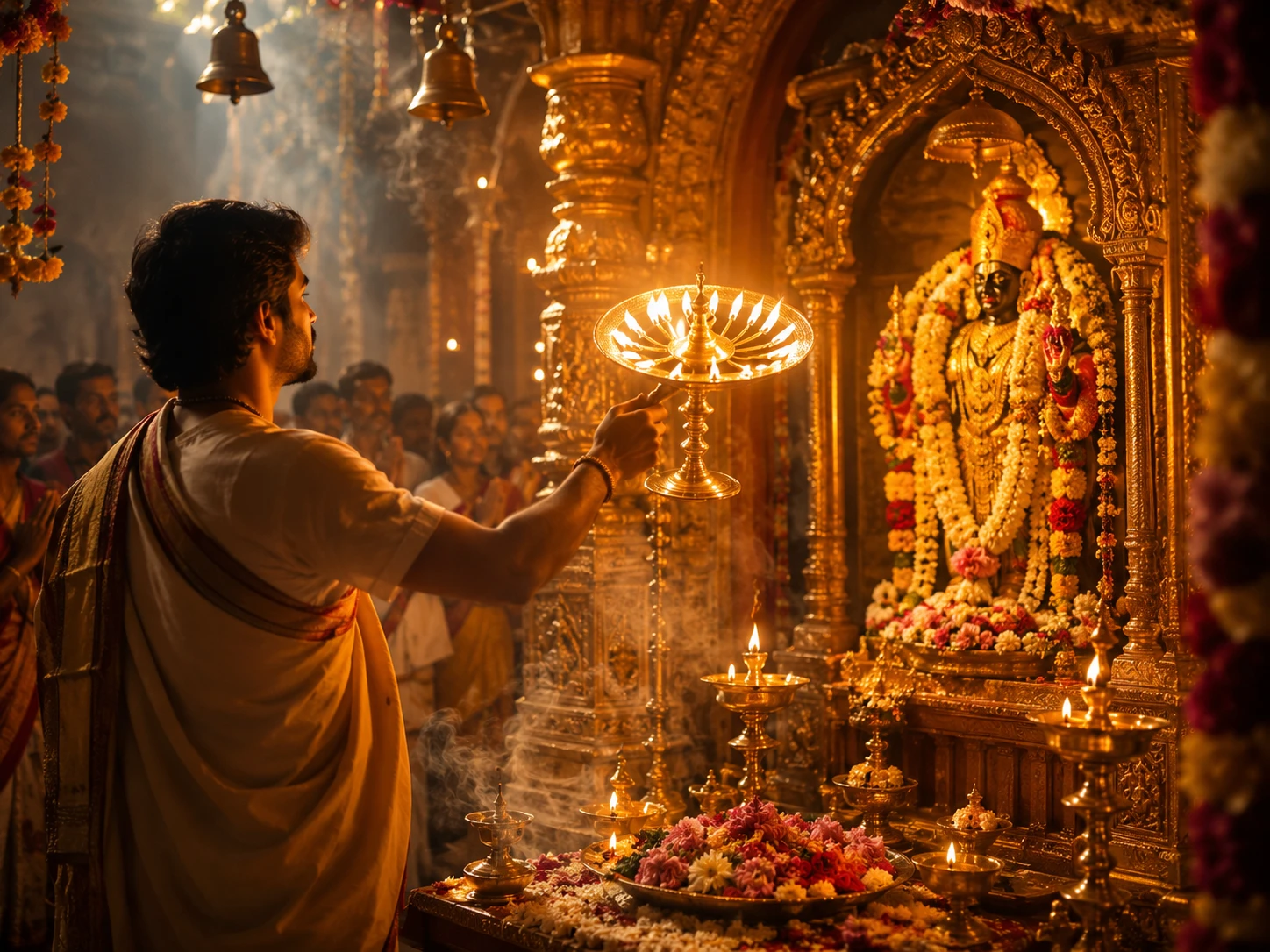
Aarti -- Why Hindus Circle Light Before God
13 मिनट पढ़ें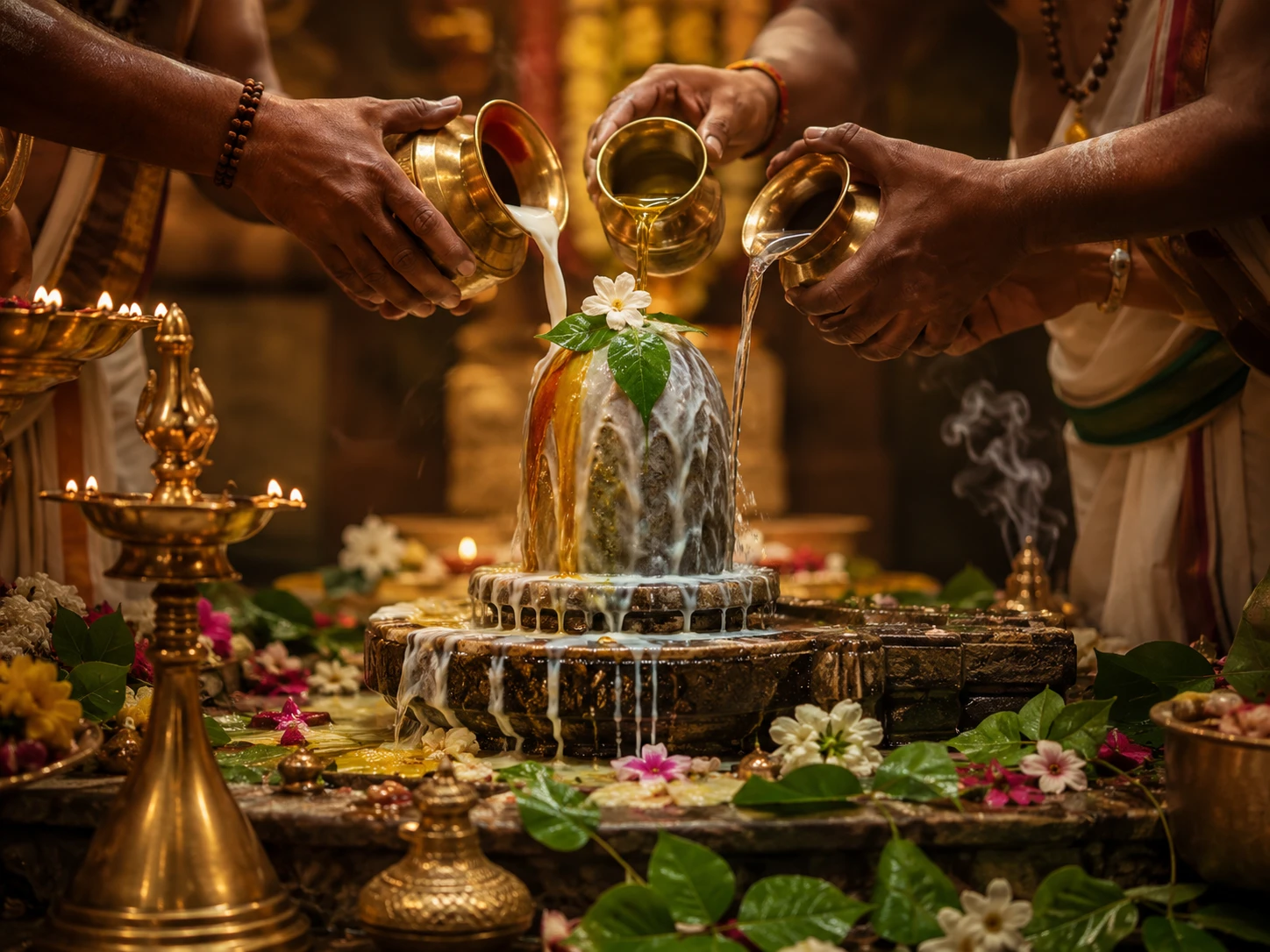
Abhisheka -- Why Hindus Bathe Their Gods
10 मिनट पढ़ें
Akshaya Tritiya -- The Day Nothing Given Away Runs Out
12 मिनट पढ़ेंवही अनुवाद त्रुटि जिसने हिन्दू धर्म में '33 कोटि' को '33 करोड़' बनाया, बौद्ध धर्म में भी हुई। बौद्ध ग्रन्थों के चीनी अनुवाद ने 'सप्त कोटि बुद्ध' (7 श्रेष्ठ बुद्ध) का अनुवाद '7 करोड़ बुद्ध' कर दिया। तिब्बती अनुवाद ने सही …
Deities AvatarsCommunity Reflections
🕉️
Be the first to share your reflection.