Markandeya -- The Sage Who Conquered Death
मार्कण्डेय -- मृत्यु को जीतने वाले ऋषि
ऋषि मृकण्डु और उनकी पत्नी पुत्र की कामना से शिव की आराधना करते थे। शैव परम्परा में प्रचलित कथा के अनुसार, शिव ने उन्हें एक विकल्प दिया: एक ऐसा पुत्र जो ज्ञानी और भक्त होगा पर केवल सोलह वर्ष जिएगा, या एक जो दीर्घायु होगा पर मन्दबुद्धि और अयोग्य। उन्होंने अल्पायु, भक्त पुत्र चुना, और उसका नाम मार्कण्डेय रखा।
बालक विद्वान और विनम्र हुआ, और सबसे बढ़कर शिव का भक्त। जब उसका सोलहवाँ वर्ष समाप्त होने को आया और माता-पिता का दुख बढ़ने लगा, वह एक शिवलिंग की पूजा करने गया। जब मृत्यु के देवता यम के दूत उसे लेने आए, वे उसके पास नहीं जा सके। तब यम स्वयं आए और पाश फेंका -- और बालक ने शिवलिंग को बाँहों में भर लिया, जिससे पाश दोनों पर गिरा। शिव क्रोध में लिंग से प्रकट हुए, यम को गिरा दिया, और घोषणा की कि उनका भक्त सदा सोलह वर्ष का रहेगा। इसीलिए शिव कालान्तक या कालारि कहलाते हैं, "मृत्यु का अन्त करने वाले"।
तमिलनाडु के तिरुक्कडैयूर का अमृतघटेश्वर मन्दिर वह स्थान माना जाता है जहाँ यह घटना हुई, और वहाँ शिव की कालसंहार मूर्ति के रूप में पूजा होती है, मृत्यु का संहार करने वाले। दम्पति अपने साठवें और अस्सीवें जन्मदिन मनाने और साथ में दीर्घायु की प्रार्थना करने इस मन्दिर में आते हैं।
इसीलिए मार्कण्डेय महामृत्युंजय मन्त्र से जुड़े हैं, त्रिनेत्र से वह ऋग्वैदिक प्रार्थना कि वे हमें "मृत्यु से मुक्त करें, अमृत से नहीं"। अनेक भक्त रोग और संकट में रक्षा के लिए इसका और मार्कण्डेय से जुड़े स्तोत्रों का पाठ करते हैं। शिवलिंग से लिपटा वह बालक इस बात का प्रतीक बन गया कि भक्ति उस एक चीज़ के विरुद्ध क्या कर सकती है जिससे कोई नहीं बचता।
भागवत पुराण अपने बारहवें स्कन्ध में उसी ऋषि की एक अलग और शान्त कथा कहता है। वहाँ मार्कण्डेय उपनयन के बाद अत्यन्त दीर्घ काल तक तप और हरि की आराधना में लीन रहते हैं, और इससे "अत्यन्त दुर्जय मृत्यु को जीत लेते हैं"।
एवं तपःस्वाध्यायपरो वर्षाणामयुतायुतम् । आराधयन् हृषीकेशं जिग्ये मृत्युं सुदुर्जयम् ॥
evaṃ tapaḥsvādhyāyaparo varṣāṇāmayutāyutam | ārādhayan hṛṣīkeśaṃ jigye mṛtyuṃ sudurjayam ||
इस प्रकार तप और स्वाध्याय में लीन होकर, असंख्य वर्षों तक हृषीकेश की आराधना करते हुए, उन्होंने अत्यन्त दुर्जय मृत्यु को जीत लिया।
— Srimad Bhagavata Purana 12.8.11
ऋषि नर और नारायण उनके सामने प्रकट होकर वर देने को कहते हैं। मार्कण्डेय केवल भगवान की माया देखना चाहते हैं, वह शक्ति जिससे जगत प्रकट होता है। उनकी इच्छा भयावह रूप से पूरी होती है। एक संध्या, जब वे पूजा में बैठे हैं, आँधी उठती है, समुद्र उमड़ पड़ते हैं और पूरा जगत डूब जाता है; युगों जैसे लगने वाले समय तक वे अन्धकारमय जल में थपेड़े खाते हैं, भूखे, भयभीत, विलीन ब्रह्माण्ड में अकेले। तब वे बाढ़ में खड़ा एक बरगद का पेड़ देखते हैं, और उसके एक पत्ते पर, पत्ते के मोड़ में लेटा एक दीप्तिमान शिशु, जो अपना अँगूठा चूस रहा है।
जब मार्कण्डेय पास जाते हैं, वे शिशु की श्वास के साथ उसके शरीर में खिंच जाते हैं -- और भीतर पूरा जगत फिर पाते हैं, पर्वत, नदियाँ, नगर, और अपना आश्रम भी। श्वास के साथ बाहर आने पर वे स्वयं को फिर प्रलय में पाते हैं, और फिर अपने आश्रम में, मानो कुछ हुआ ही न हो। बरगद के पत्ते पर लेटे शिशु की यह छवि, वटपत्रशायी या बालमुकुन्द, श्रीकृष्ण की सबसे प्रिय छवियों में से एक बनी। और अगले अध्याय में स्वयं शिव और पार्वती मार्कण्डेय के पास आकर उन्हें वर देते हैं, इसलिए भागवत भी कथा को विष्णु और शिव, दोनों के उसी ऋषि को आशीर्वाद देने के साथ समाप्त करता है।
प्रागुत्तरस्यां शाखायां तस्यापि ददृशे शिशुम् । शयानं पर्णपुटके ग्रसन्तं प्रभया तमः ॥
prāguttarasyāṃ śākhāyāṃ tasyāpi dadṛśe śiśum | śayānaṃ parṇapuṭake grasantaṃ prabhayā tamaḥ ||
और उसकी उत्तर-पूर्वी शाखा पर उन्होंने पत्ते के दोने में लेटे एक शिशु को देखा, जो अपनी प्रभा से अन्धकार को निगल रहा था।
— Srimad Bhagavata Purana 12.9.21
परम्परा में मार्कण्डेय
| Story or text | Where it is told | What it shows |
|---|---|---|
| The boy saved from Yama | Shaiva Puranas and temple traditions (Thirukkadaiyur) | Devotion to Shiva overcomes death; Shiva as Kalantaka |
| The vision of maya and the infant on the banyan leaf | Bhagavata Purana 12.8-10; also the Mahabharata | The world rests in the Lord; the sage survives the dissolution |
| The Markandeya Purana | Named after him, as its narrator | Contains the Devi Mahatmya (Durga Saptashati) |
| One of the chiranjeevis | Traditional verse listing the immortals | Recited for long life alongside Ashvatthama, Bali, Vyasa, Hanuman, Vibhishana, Kripa and Parashurama |
मार्कण्डेय एक पूरे पुराण, मार्कण्डेय पुराण, के वक्ता भी हैं, जिसमें देवी माहात्म्य है -- देवी पर सात सौ श्लोक, जिन्हें दुर्गा सप्तशती भी कहते हैं। इस प्रकार एक ऋषि हिन्दू भक्ति की तीनों महान धाराओं को जोड़ते हैं: शिव, जिन्होंने उन्हें मृत्यु से बचाया; विष्णु, जिनका शिशु रूप उन्होंने बरगद के पत्ते पर देखा; और देवी, जिनकी महिमा वे कहते हैं। सम्भवतः यही उनकी कथा का सबसे गहरा बिन्दु है। जो सचमुच मृत्यु से पार हो गया, उसे भगवान के रूपों के बीच दीवारें नहीं दिखतीं।
महामृत्युंजय मन्त्र का जप करें
अकाल मृत्यु से रक्षा की प्रार्थना, जो मार्कण्डेय से जुड़ी है, अर्थ सहित।
Tags
Eternal Raga · शाश्वत राग
Institutional voice — scholarly articles on Sanatan Dharma
अपनी समझ गहरी करें
अपनी समझ और गहरी करें
tantra mantra yantra
Mahamrityunjaya Mantra -- Conquering Death
A 16-year-old boy clings to a Shiva Linga as the god of death throws a noose around his neck. Shiva emerges from the Linga, kicks Yama in the chest, and declares the boy immortal. That boy is Markandeya. That mantra is the Mahamrityunjaya. It appears in the Rig Veda, the Yajur Veda, and the Atharva Veda -- the only healing mantra attested in three of the four Vedas. It is chanted in ICU corridors, before surgeries, at bedsides, and in cremation grounds. This is not a mantra about avoiding death. It is a mantra about not being afraid of it.
scriptural exegesis
Markandeya Purana -- The Text Behind the Devi Mahatmya, and Everything Else It Contains
Most people who chant the Devi Mahatmya every Navratri have never opened the book it comes from. The Markandeya Purana houses that famous section, yes -- but it also opens with four unanswered questions put to talking birds, spends thirty-seven chapters on cosmic time-cycles, and closes with the story of a king who sold his wife to keep a promise. This is the rest of the book.
scriptural exegesis
Devi Mahatmya -- The Three Charitas That Changed How India Worships the Feminine
700 verses. 13 chapters. Three battles. One thesis: when every god in the universe has failed, a woman finishes the job. The Devi Mahatmya from the Markandeya Purana is not just a scripture -- it is the founding document of Shakta theology and the reason 300 million people celebrate Navaratri.
sacred symbols
Shiva Linga -- Symbol, Form, and Misunderstanding
The most searched, most misunderstood, and most deliberately distorted symbol in Hinduism. The word 'Linga' means 'sign' or 'mark' in Sanskrit -- the same word Panini uses in grammar for 'gender marker' and the Nyaya school uses for 'evidence in logical inference.' The Shvetashvatara Upanishad says Shiva has no linga -- meaning He is beyond all characteristics, including gender. The Linga Purana says the Linga is the formless Brahman made graspable. Colonial-era mistranslation turned this into something else entirely. Here is what the texts actually say.
deities avatars
Yama -- The God of Death and Dharma
Yama rides a buffalo, carries a noose, and keeps perfect records of every action in every lifetime. He is not the villain of Hindu mythology. He is the judge whose verdicts are based entirely on what a person has done. The Katha Upanishad's finest teaching comes from him, given to a nine-year-old boy who refused to leave without an answer. This is the god of death who is actually the god of dharma.
deities avatars
Narayana -- Cosmic Vishnu Beyond Avatara
Before Krishna lifted Govardhan and Rama crossed the ocean, there was Narayana lying on the serpent Ananta in the milk ocean. The avatars come and go. Narayana remains. This is the theological Vishnu at the base of every Vaishnava tradition, from Ramanuja's Sri Vaishnavism to the Badrinath pilgrimage to the Ashtakshari mantra every devotee chants.
तमिलनाडु के तिरुक्कडैयूर का अमृतघटेश्वर मन्दिर वह स्थान माना जाता है जहाँ यह घटना हुई, और वहाँ शिव की कालसंहार मूर्ति के रूप में पूजा होती है, मृत्यु का संहार करने वाले। दम्पति अपने साठवें और अस्सीवें जन्मदिन मनाने और सा…
More in Scriptural Exegesis
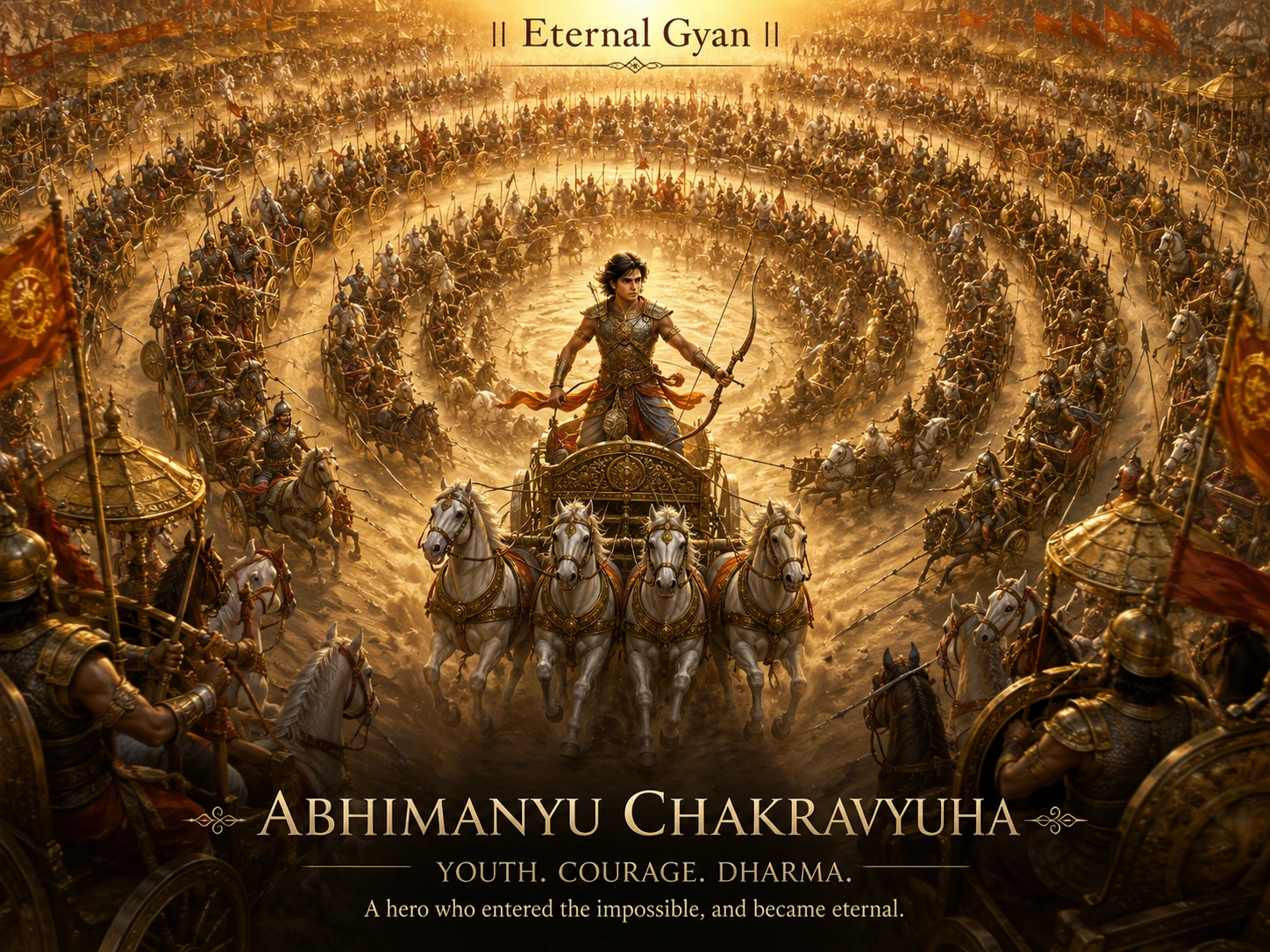
Abhimanyu and the Chakravyuha -- The Boy Who Knew How to Enter but Not How to Leave
14 मिनट पढ़ें
Adbhuta Ramayana -- The Ramayana Where Sita Becomes Kali
9 मिनट पढ़ें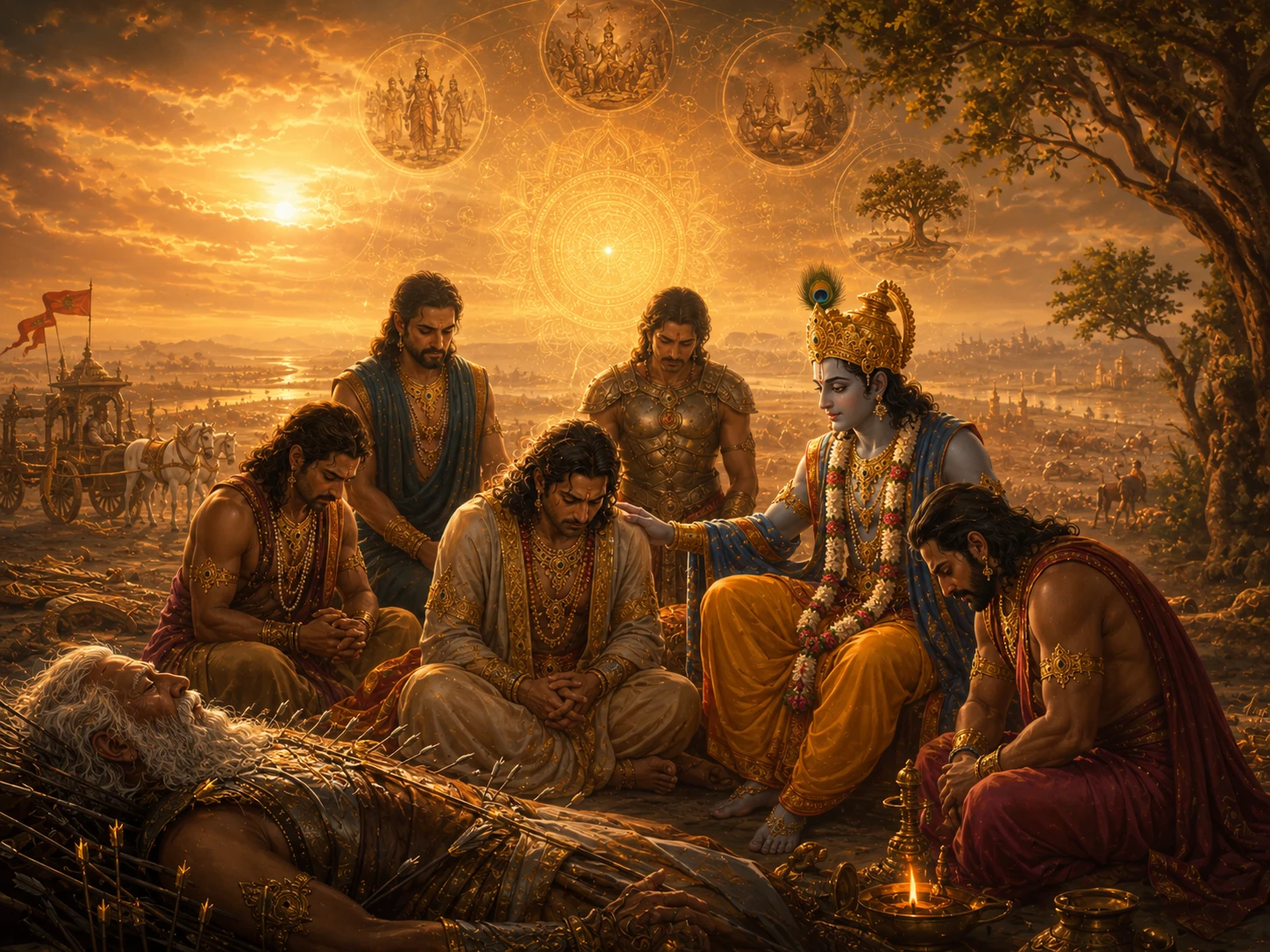
After Kurukshetra -- What Happened Next
14 मिनट पढ़ेंवही अनुवाद त्रुटि जिसने हिन्दू धर्म में '33 कोटि' को '33 करोड़' बनाया, बौद्ध धर्म में भी हुई। बौद्ध ग्रन्थों के चीनी अनुवाद ने 'सप्त कोटि बुद्ध' (7 श्रेष्ठ बुद्ध) का अनुवाद '7 करोड़ बुद्ध' कर दिया। तिब्बती अनुवाद ने सही …
Deities AvatarsCommunity Reflections
🕉️
Be the first to share your reflection.