Gita Govinda -- Jayadeva's Song of Radha and Krishna
गीत गोविन्द -- जयदेव का राधा-कृष्ण गीत
पुरी के जगन्नाथ मन्दिर में हर रात, देवता के शयन से पहले, बारहवीं शताब्दी के एक संस्कृत काव्य के गीत उन्हें अर्पित किए जाते हैं। वे वहाँ शताब्दियों से गाए जा रहे हैं, और वे प्रेम-गीत हैं। यह काव्य कवि जयदेव का गीत गोविन्द है, "गोविन्द का गीत", और यह यमुना तट पर एक वसन्त-रात्रि में राधा और कृष्ण के वियोग और मिलन के बारे में है।
जयदेव के बारे में बहुत कम निश्चित है। परम्परा उन्हें बारहवीं शताब्दी में रखती है और बंगाल के राजा लक्ष्मणसेन के दरबार से जोड़ती है; बंगाल और ओडिशा दोनों केन्दुली को उनका जन्मस्थान बताते हैं। परम्परा उनकी पत्नी पद्मावती का नाम भी लेती है, जो नर्तकी थीं, और बाद की किंवदन्ती कहती है कि जयदेव काव्य गाते थे और वे नाचती थीं। उनकी कथा जो भी रही हो, यह काव्य भारत में रचे गए सबसे प्रभावशाली ग्रन्थों में से एक बन गया।
कथा सरल है। वसन्त में गोपियों के साथ क्रीड़ा करते हुए श्रीकृष्ण मानो राधा को भूल गए हैं। आहत और ईर्ष्याग्रस्त राधा दूर हो जाती हैं। पश्चात्ताप से भरे श्रीकृष्ण उन्हें खोजते हैं; राधा की सखी दोनों के बीच सन्देश ले जाती है; राधा क्रोध, विरह और मान से गुज़रती हैं; अन्त में श्रीकृष्ण उनके पास आकर क्षमा माँगते हैं, और वन के एक कुंज में उनका मिलन होता है।
जो इस काव्य को नया बनाता है वह इसका रूप है। जयदेव ने इसे बारह सर्गों में रचा, और उनके केन्द्र में चौबीस गीत रखे जिन्हें अष्टपदी कहते हैं -- आठ-आठ पदों के गीत, एक टेक के साथ -- जिन्हें शास्त्रीय संस्कृत छन्दों के श्लोक घेरे हुए हैं। हर गीत उस राग और ताल का नाम देता है जिसमें उसे गाया जाना है। यह केवल पढ़ने का नहीं, प्रस्तुत करने का काव्य है: गीतों में एक नाटक।
गीत गोविन्द एक दृष्टि में
| Feature | Detail |
|---|---|
| Author | Jayadeva, twelfth century (traditionally linked to the court of Lakshmana Sena of Bengal) |
| Structure | Twelve cantos (sargas) with twenty-four ashtapadi songs |
| Language | Sanskrit, in a musical, rhymed style close to the vernacular songs of the time |
| Subject | The estrangement and reunion of Radha and Krishna on a spring night |
| Liturgical use | Sung daily before Jagannath at Puri; part of the repertoire of Odissi dance |
| Opening hymn | The Dashavatara stotra, "pralaya payodhi jale", praising the ten avatars |
काव्य का पहला गीत राधा के बारे में बिल्कुल नहीं है। यह विष्णु के दस अवतारों की स्तुति है, जिसका हर पद "जय जगदीश हरे" -- "जगत के स्वामी हरि की जय" -- की टेक पर समाप्त होता है, और जो उस मत्स्य से आरम्भ होता है जिसने प्रलय के जल में वेदों की रक्षा की। जयदेव की सूची में बलराम आठवें अवतार हैं और बुद्ध नौवें, जिनकी करुणा और पशु-बलि के विरोध के लिए स्तुति की गई है। यह स्तुति पूरे भारत में अलग से गाई जाती है, और इसकी टेक बाद के अनेक भक्ति-गीतों में चली गई।
यह आरम्भ पाठक को बताता है कि आगे जो है उसे कैसे लें। राधा के लिए व्याकुल कृष्ण वही प्रभु हैं जो जगत की रक्षा के लिए दस रूप लेते हैं। परम्परा के लिए राधा और कृष्ण का प्रेम आत्मा और परमात्मा का प्रेम है -- मधुर भक्ति, प्रेमी के भाव में भक्ति -- और उसकी तीव्रता ही उसका सार है, उससे भटकाव नहीं।
एक प्रिय किंवदन्ती कहती है कि जयदेव, वह दृश्य लिखते हुए जिसमें कृष्ण राधा से अपना चरण उनके सिर पर रखने की विनती करते हैं, भगवान के बारे में ऐसा लिखने का साहस नहीं जुटा पाए और स्नान करने चले गए। लौटे तो पंक्ति उन्हीं की लिखावट में लिखी मिली -- स्वयं श्रीकृष्ण ने लिखी थी, जो उनकी अनुपस्थिति में जयदेव का रूप धरकर आए थे।
गीत गोविन्द के प्रभाव को बढ़ा-चढ़ाकर कहना कठिन है। इसने राधा को कृष्ण-भक्ति के केन्द्र में उस तरह रखा जैसे पहले के ग्रन्थों ने नहीं रखा था, और अगली शताब्दियों के महान भक्ति-कवि -- विद्यापति, चण्डीदास, और चैतन्य के आसपास के बंगाल के वैष्णव, जिन्हें इसे गाते सुनना प्रिय था -- इसकी छाया में लिखते रहे। इसने ओडिसी नृत्य को आकार दिया, जिसके नर्तक आज भी इसकी अष्टपदियाँ प्रस्तुत करते हैं, और उत्तर और दक्षिण दोनों के शास्त्रीय संगीत को; केरल के मन्दिरों में अष्टपदियाँ सोपानम् नामक शैली में गाई जाती हैं। जयदेव के नाम से दो पद सिखों के गुरु ग्रन्थ साहिब में भी सम्मिलित हैं।
आज के पाठक के लिए इस काव्य में प्रवेश का सबसे अच्छा मार्ग इसे सुनना है -- अपने राग में गाई गई या नाची गई एक अष्टपदी -- और फिर इसे धीरे-धीरे पढ़ना, जैसा जयदेव चाहते थे: एक प्रेम-कथा के रूप में जो एक प्रार्थना भी है।
जगन्नाथ से मिलें, जिनके लिए यह गाया जाता है
पुरी के वे देवता, जिनके समक्ष गीत गोविन्द शताब्दियों से हर रात गाया जाता है।
Eternal Raga · शाश्वत राग
Institutional voice — scholarly articles on Sanatan Dharma
अपनी समझ गहरी करें
अपनी समझ और गहरी करें
deities avatars
Radha -- Krishna's Eternal Beloved and the Supreme Devotee Who Became Greater Than God
She is not mentioned by name in the Bhagavata Purana. She has no temple at the centre of Vrindavan. She did not marry Krishna. And yet -- in the devotional traditions of North India, in the poetry of Jayadeva, in the philosophy of Chaitanya, and in the hearts of millions who chant 'Radhe Radhe' -- she is considered superior to Krishna himself. That is the paradox and the power of Radha.
deities avatars
Jagannath -- Lord of the Universe, the Deity Without Hands and the World's Oldest Chariot Festival
He has no fingers, no feet, no sculpted facial features -- just enormous circular eyes on a flat wooden face. He is the most 'unfinished' deity in Hinduism, and he is worshipped by more people than almost any other form of Vishnu. The Jagannath temple in Puri is one of the four Char Dham, his Rath Yatra is the origin of the English word 'juggernaut,' and his theology breaks every rule of Hindu worship including caste -- at Jagannath's table, everyone eats together.
scriptural exegesis
The Rasa Lila -- What Krishna's Dance with the Gopis Means
On an autumn full-moon night, Krishna's flute called the women of Vraja into the forest, and he danced with all of them at once. The five chapters of the Bhagavata that tell the story, why the text itself raises the obvious objection, and how the tradition answers it.
deities avatars
Dashavatara -- Why Vishnu Comes Back Ten Times
Fish, tortoise, boar, half-lion, dwarf, axe-warrior, prince, cowherd, enlightened teacher, future horseman. The ten avatars of Vishnu are not random folklore. Read them in sequence and you get something startling -- a narrative that mirrors evolutionary biology, tracks the rise and fall of political systems, and argues that God does not sit above history but enters it, gets dirty, and does the work. The Dashavatara is Hinduism's answer to the question every civilisation asks: why does the world keep breaking, and who fixes it?
deities avatars
Krishna Leela -- Why God Chose to Play
He stole butter, broke pots, lied to his mother's face, danced with married women under the full moon, and lifted an entire mountain on his little finger. The Bhagavata Purana's Tenth Skandha -- the most popular 4,000 verses in all of Hindu literature -- is not a biography. It is a theological argument that the Supreme Being's highest expression is not creation, destruction, or cosmic governance. It is play. Krishna Leela is the radical idea that God's truest nature is joy.
scriptural exegesis
Shyama Sangeet -- The Bengali Poets Who Argued With Kali Instead of Fearing Her
This site's Kali Puja article mentions Ramprasad Sen in passing, as the poet who helped reshape how Bengal sees Kali. This article covers the actual poetic tradition he founded: Shyama Sangeet, three centuries of Bengali songs that address the fiercest goddess in the pantheon not with awe but with the complaining, bargaining intimacy of a child talking back to its mother.
एक प्रिय किंवदन्ती कहती है कि जयदेव, वह दृश्य लिखते हुए जिसमें कृष्ण राधा से अपना चरण उनके सिर पर रखने की विनती करते हैं, भगवान के बारे में ऐसा लिखने का साहस नहीं जुटा पाए और स्नान करने चले गए। लौटे तो पंक्ति उन्हीं की ल…
More in Scriptural Exegesis
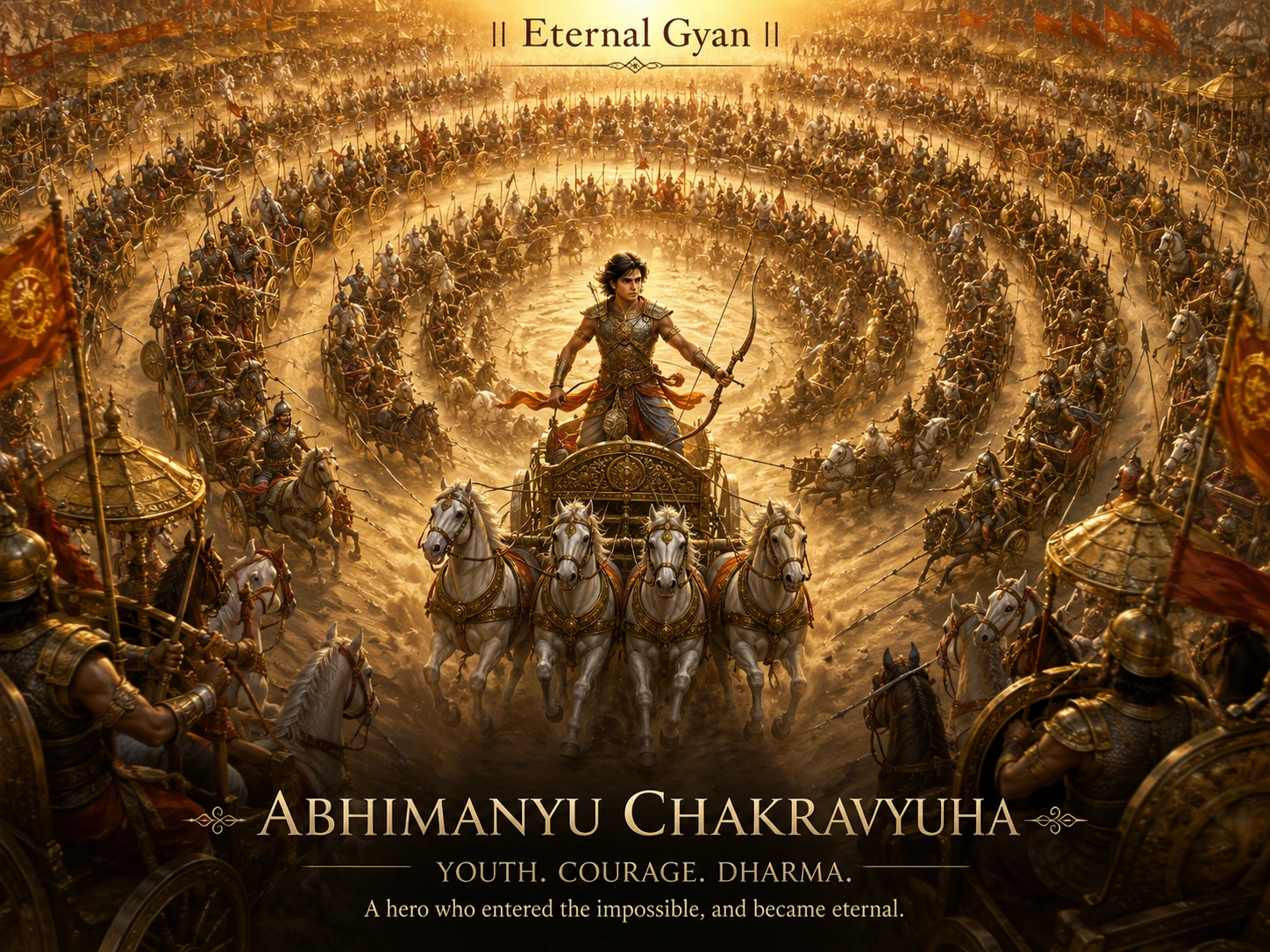
Abhimanyu and the Chakravyuha -- The Boy Who Knew How to Enter but Not How to Leave
14 मिनट पढ़ें
Adbhuta Ramayana -- The Ramayana Where Sita Becomes Kali
9 मिनट पढ़ें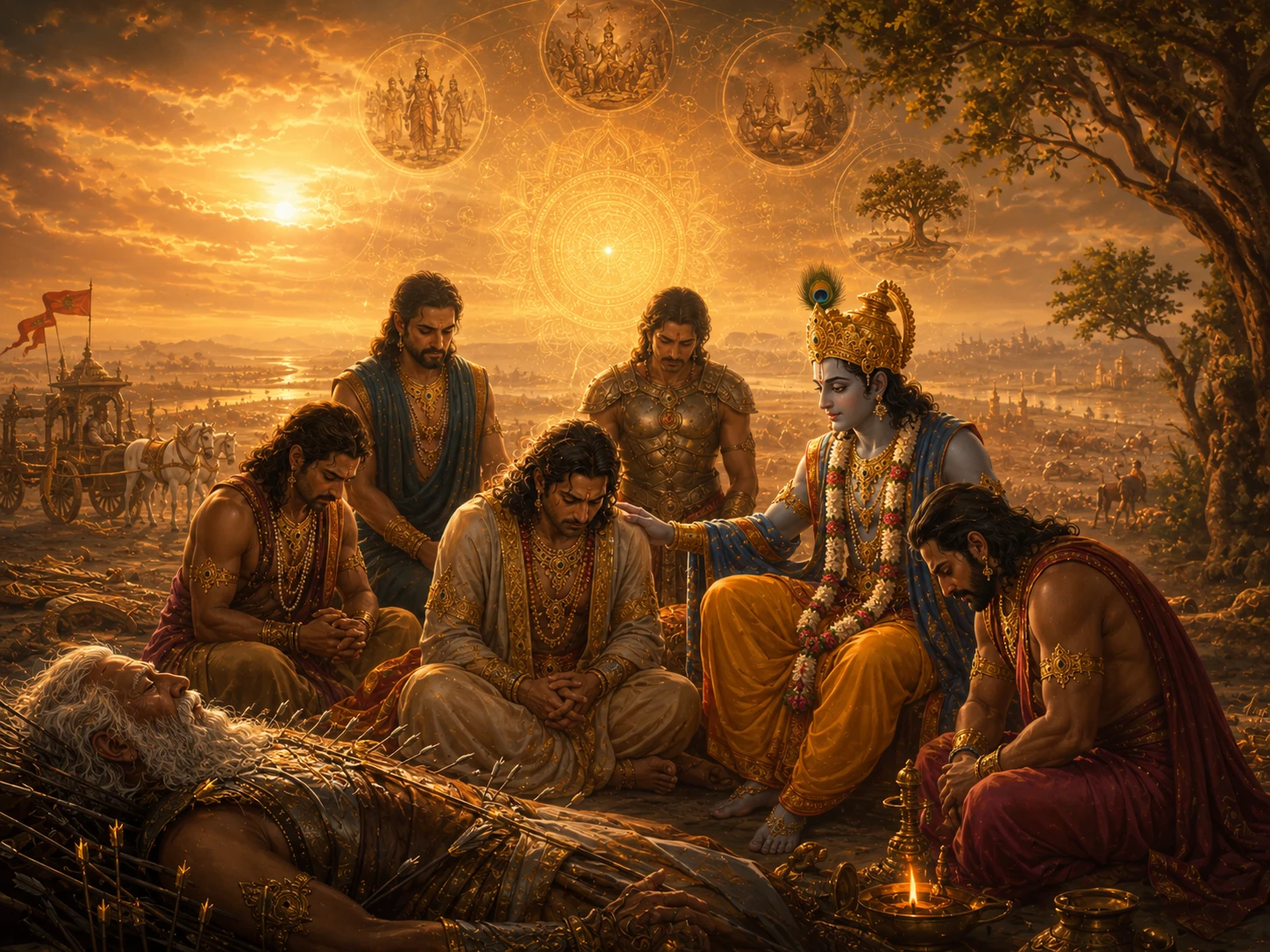
After Kurukshetra -- What Happened Next
14 मिनट पढ़ेंवही अनुवाद त्रुटि जिसने हिन्दू धर्म में '33 कोटि' को '33 करोड़' बनाया, बौद्ध धर्म में भी हुई। बौद्ध ग्रन्थों के चीनी अनुवाद ने 'सप्त कोटि बुद्ध' (7 श्रेष्ठ बुद्ध) का अनुवाद '7 करोड़ बुद्ध' कर दिया। तिब्बती अनुवाद ने सही …
Deities AvatarsCommunity Reflections
🕉️
Be the first to share your reflection.