
Practice · अभ्यास
Eternal Dhyana
शाश्वत ध्यान
Five paths inward — from mantra meditation to classical pranayama. Choose your practice, enter at your own pace.
Practice · अभ्यास
Meditation with Mantra मंत्र ध्यान
Japa — the repetition of a sacred name or mantra — is the most accessible and powerful form of meditation in the Vedic tradition. No posture, no special equipment. Just the mantra, the mala, and your attention.
Choose Your Mantra
मंत्र चुनें
Select a deity, mood, or intention. Each mantra carries a specific quality — Shiva for dissolution and peace, Lakshmi for abundance, Gayatri for wisdom.
Open Mantra LibrarySet Your Intention
संकल्प लें
Sit quietly for a moment. Let the mantra move from the throat to the heart. A brief sankalpa (resolve) made before Japa anchors the practice.
Begin Your Japa
जप प्रारंभ करें
Use a mala of 108 beads. With each bead, complete one repetition. The number 108 is not arbitrary — it is the ratio of the Sun's distance from Earth to its diameter.
Japa Mantras · जप मंत्र
Full mantras for sustained daily practice — chanted 108 times with a mala.
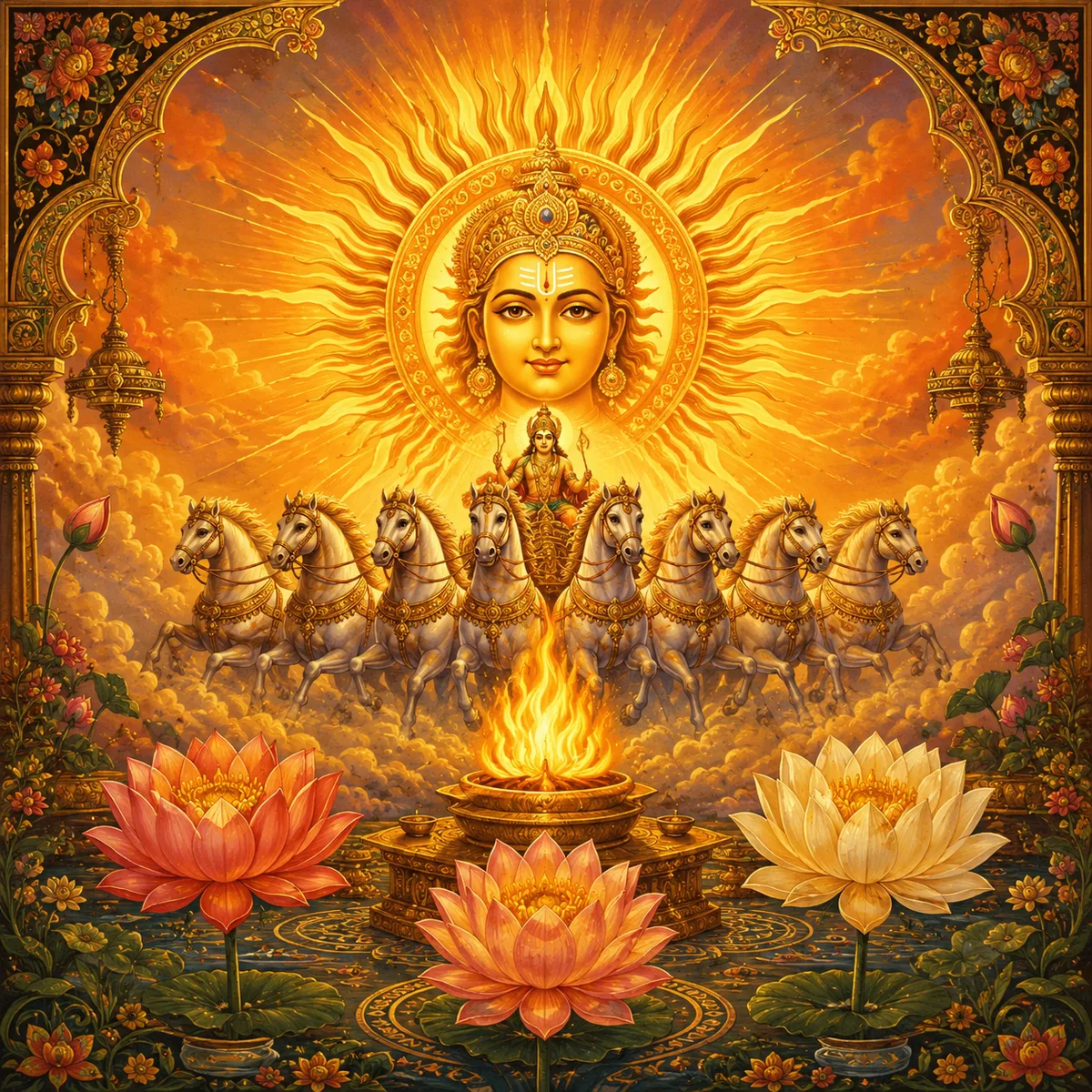
Gayatri Mantra
गायत्री मंत्र
Om. Across the earth, the atmosphere, and the heavens, we meditate upon that supremely adorable effulgence of the divine Savitr, may it illumine our minds and impel them to right understanding.
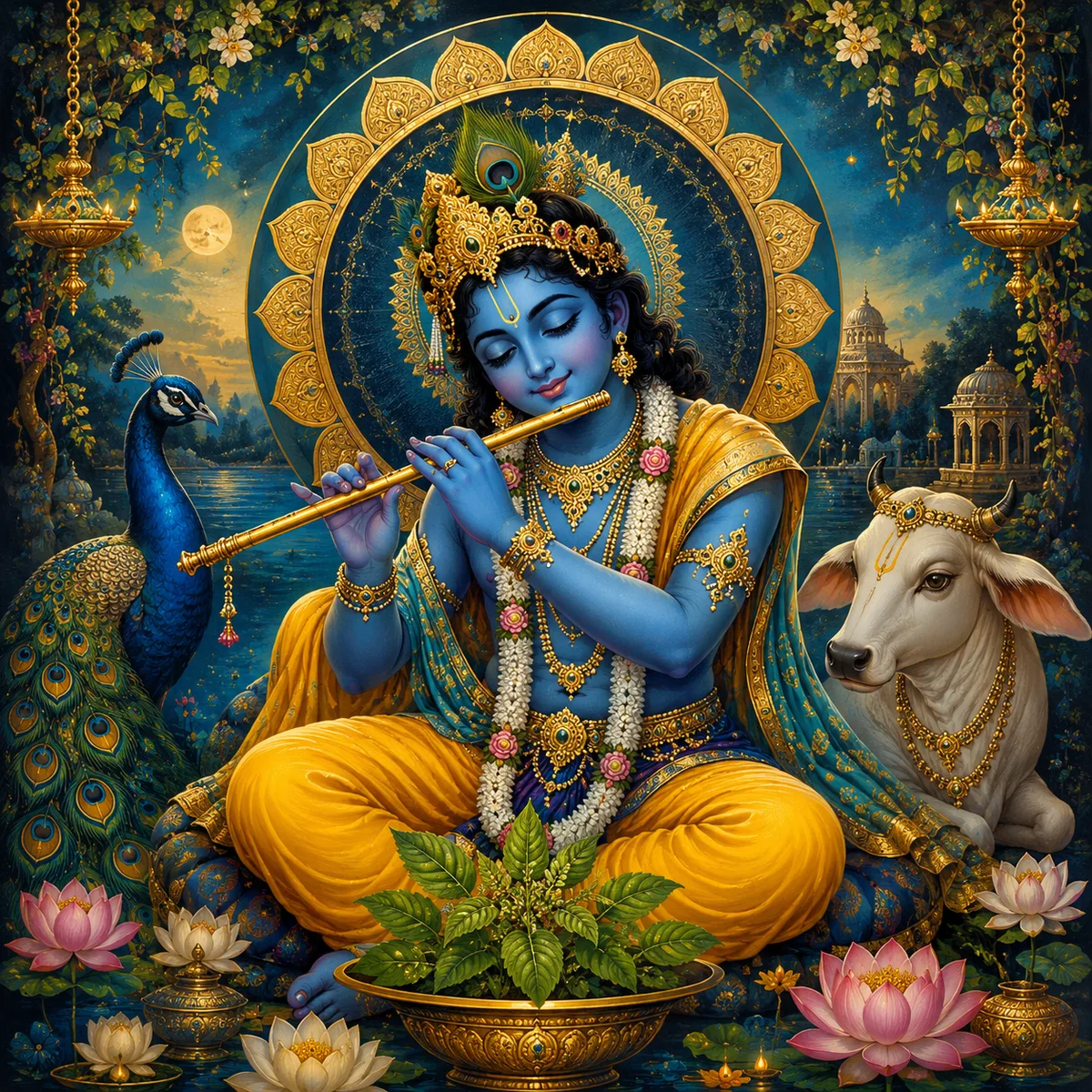
Hare Krishna Mahamantra
हरे कृष्ण महामंत्र
O divine energy, O all-attractive Lord, O source of all joy, engage me in your service. The repetition of the names alone, the tradition teaches, is enough to cross the ocean of this age.
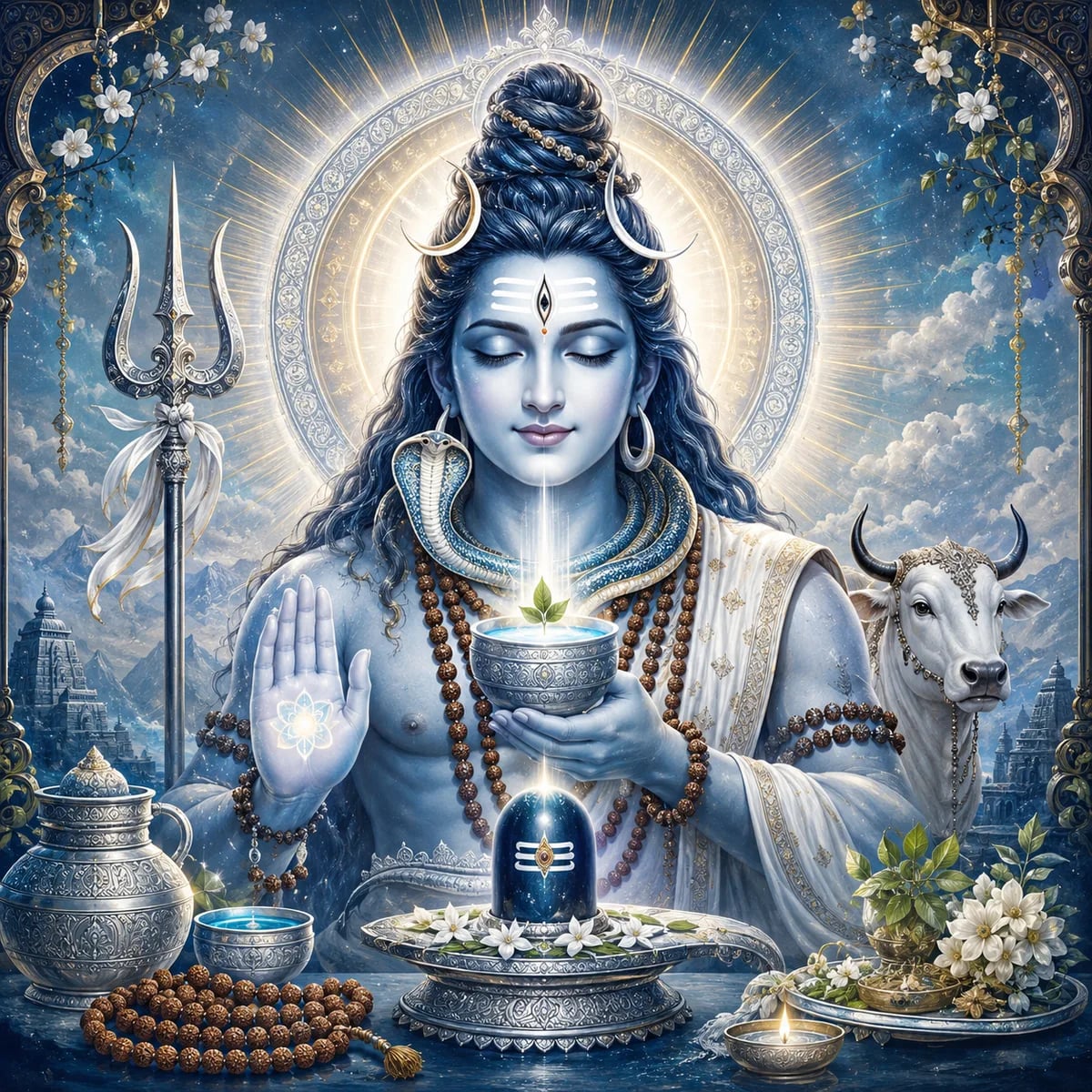
Maha Mrityunjaya Mantra
महामृत्युंजय मंत्र
Om. We worship the three-eyed one, the fragrant, the nourisher of all. As a ripe cucumber is released from its stem effortlessly when its time has come, may we be released from death and all that binds, but never released from the deathless within us.
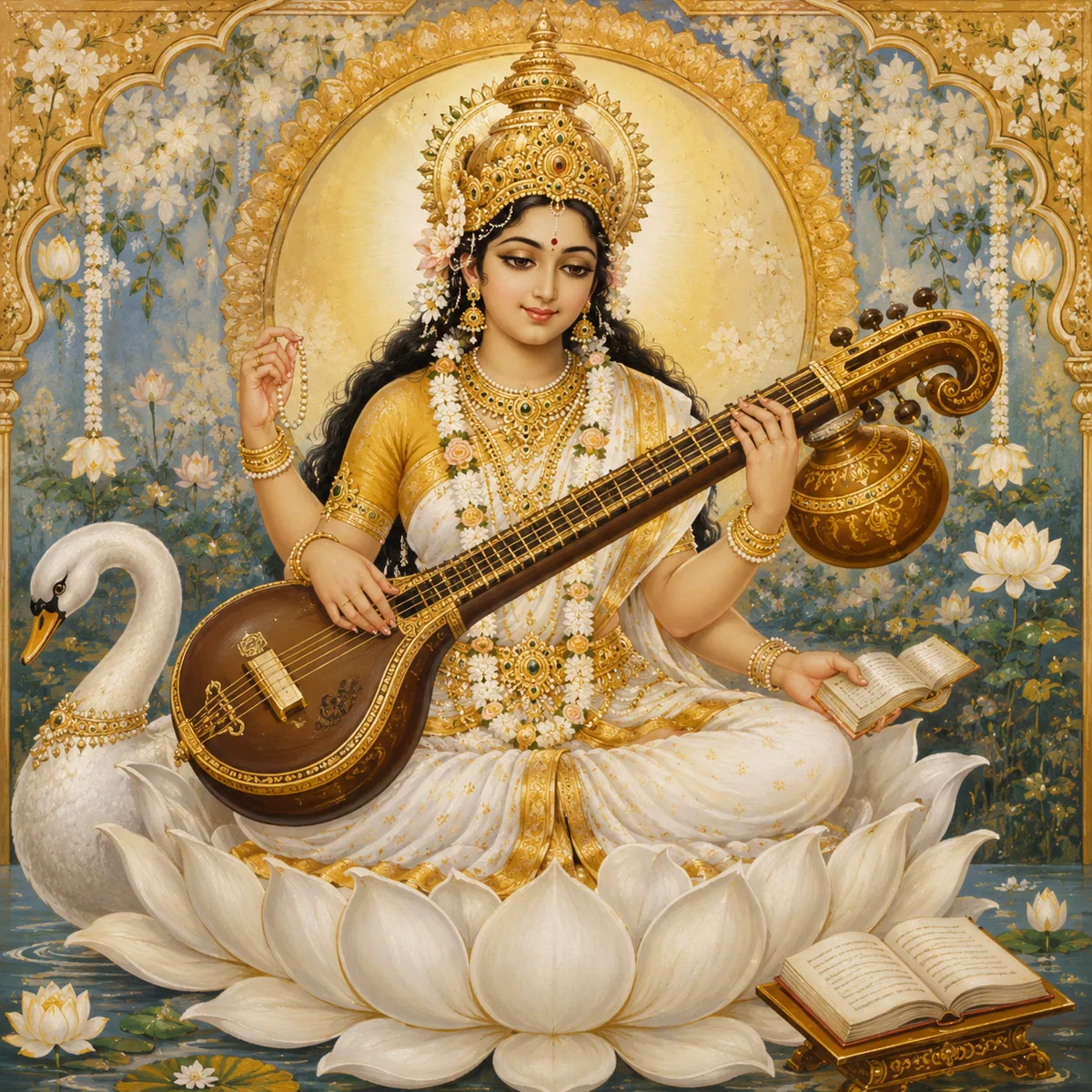
Om Aim Saraswatyai Namah
ॐ ऐं सरस्वत्यै नमः
Om. With her seed syllable Aiṃ, I bow to Saraswati, the goddess of speech and learning, the flowing source of all knowledge, music, and the arts.
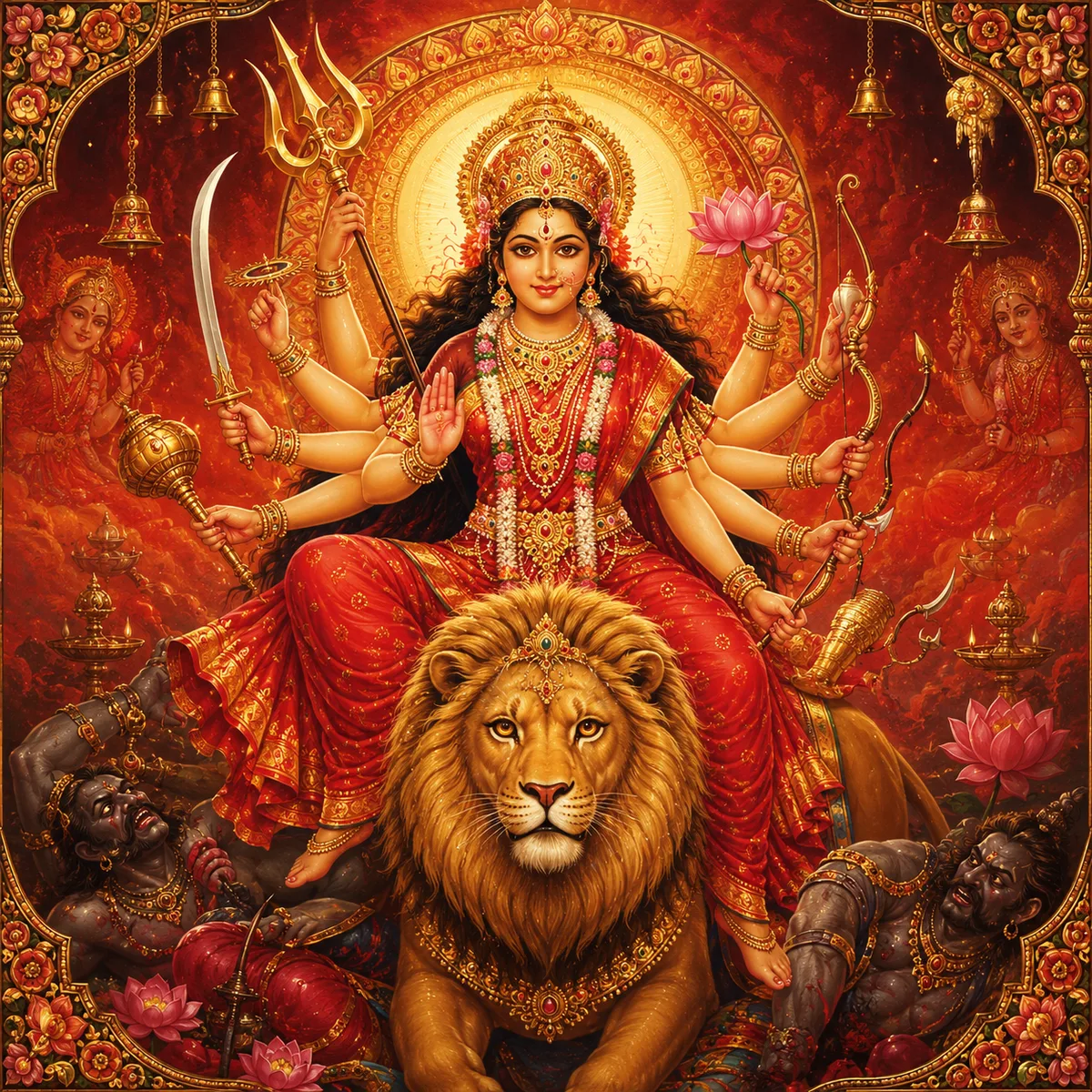
Om Durgayai Namah
ॐ दुर्गायै नमः
Om. I bow to Durgā, the inaccessible, the unconquerable, the fortress in whom every being who turns to her finds shelter.
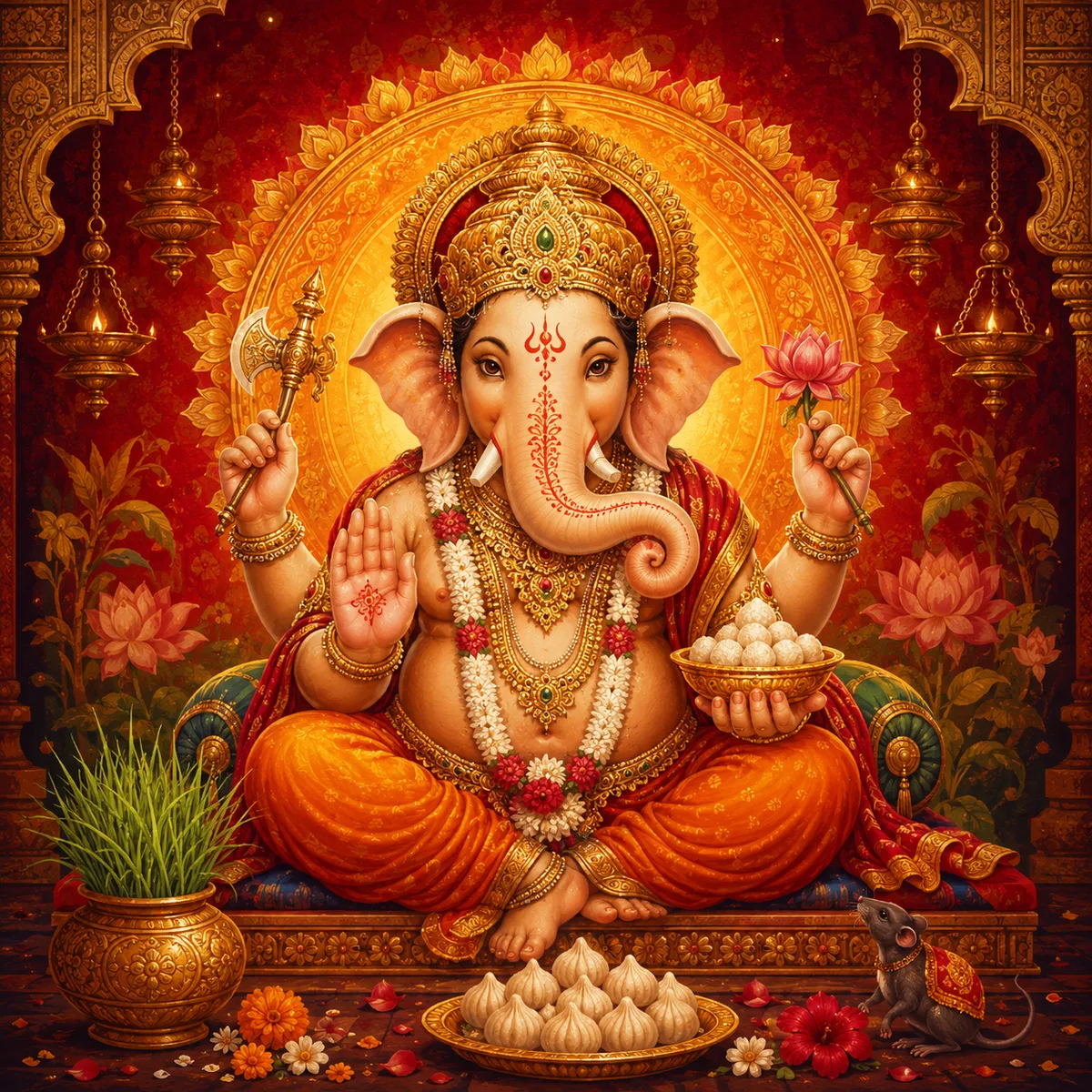
Om Gam Ganapataye Namah
ॐ गं गणपतये नमः
Om. I bow to Ganapati, invoked through his seed-syllable Gaṃ, lord of the gaṇas, remover of obstacles, presider over every beginning.
Beej Mantras · बीज मंत्र
Seed syllables — single-sound mantras that distil an entire deity into one vibration.
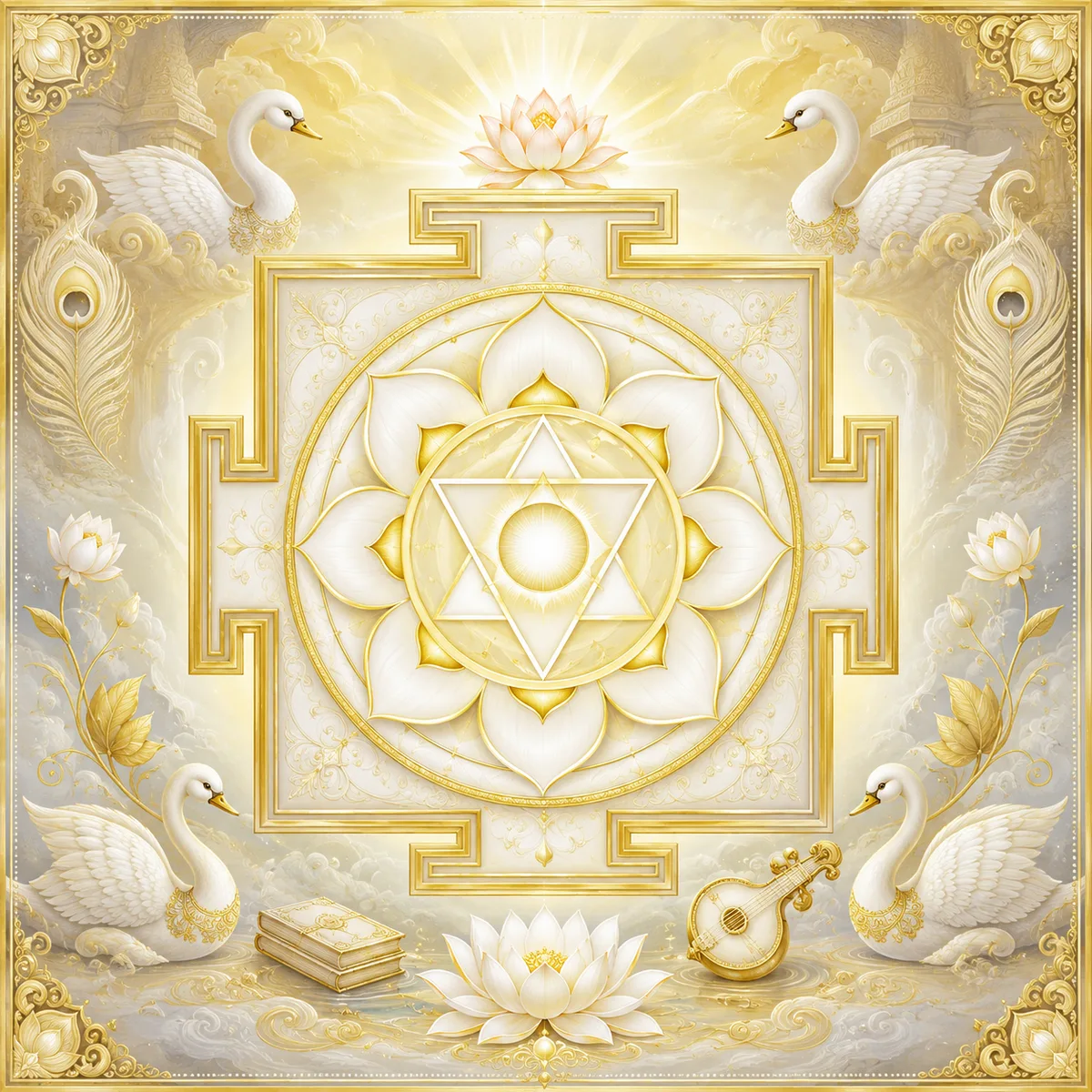
Saraswati
The seed of vāc, articulate speech, the seed-syllable of Saraswati, goddess of all learning and the arts
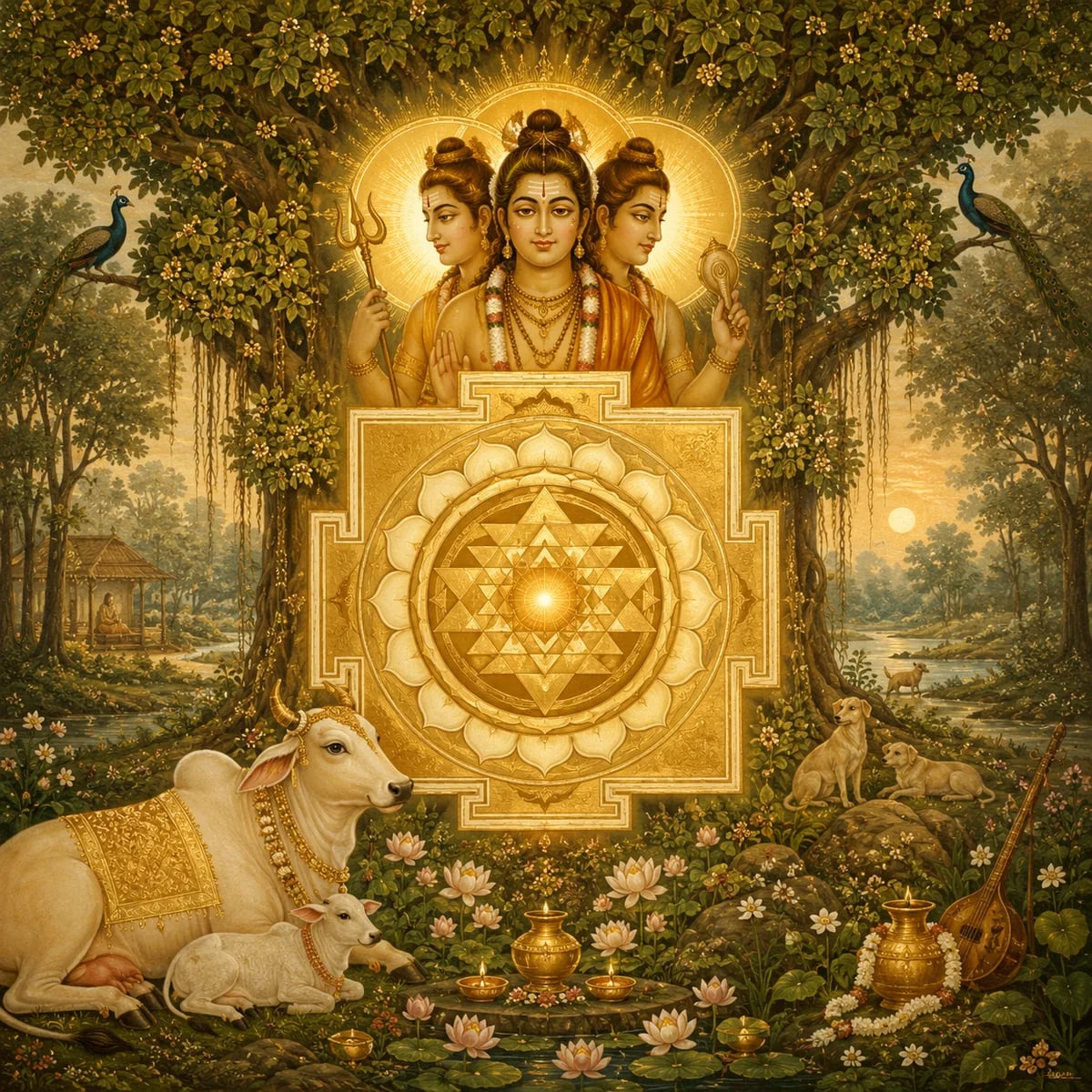
Vishnu
A Tantric seed-syllable associated with Vishnu in certain Pañcarātra lineages, carrying the principle of cosmic preservation and the principle of dāna (divine giving)
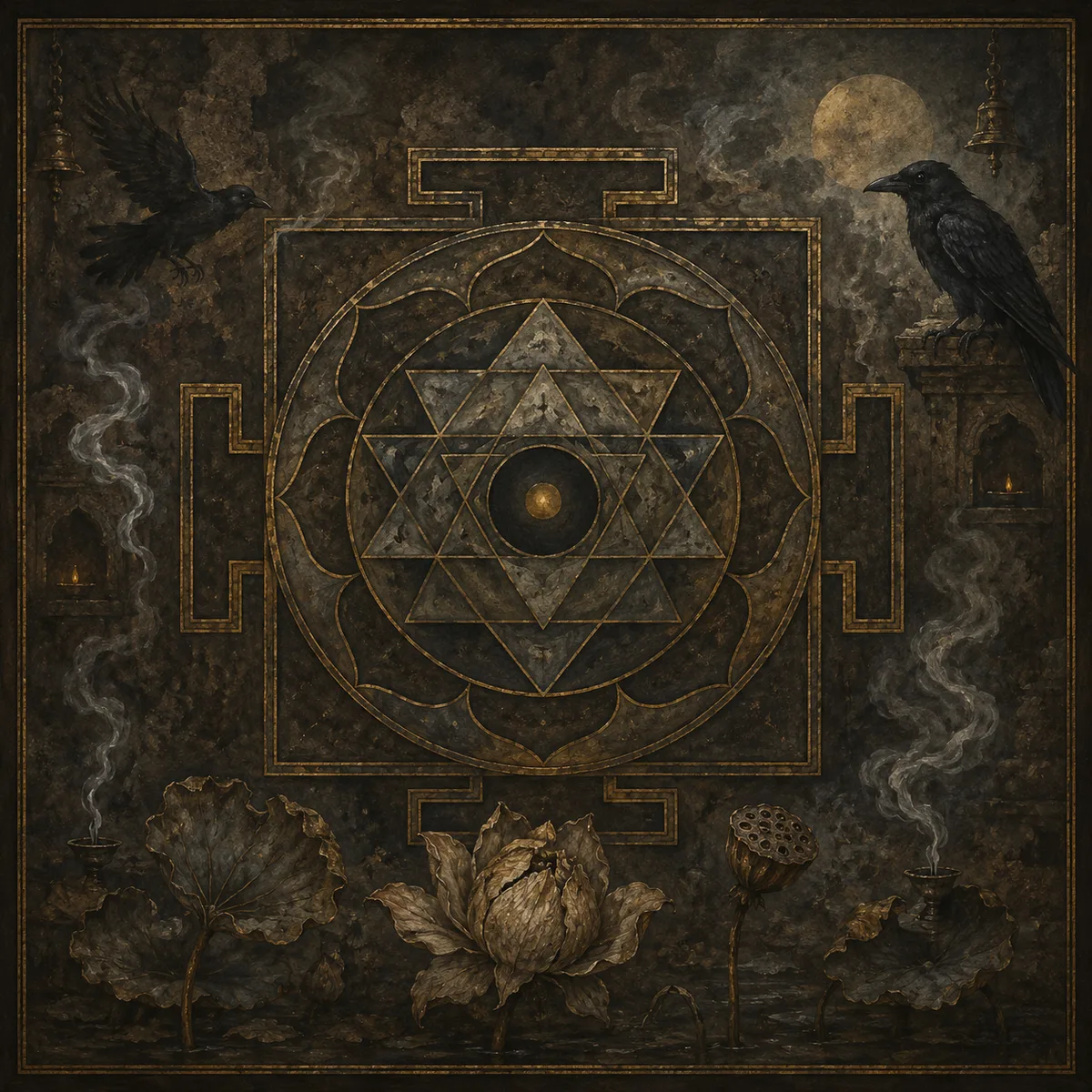
Dhumavati, the seventh of the Dasa Mahavidya, the great Tantric Wisdom-Goddess of the void
The seed of Dhumavati, the goddess of the void, of what remains when all conventional auspiciousness has been emptied out

Durga (Mahishasura Mardini)
The seed of Durgā, the inaccessible, the unconquerable; the warrior goddess in concentrated sound-form
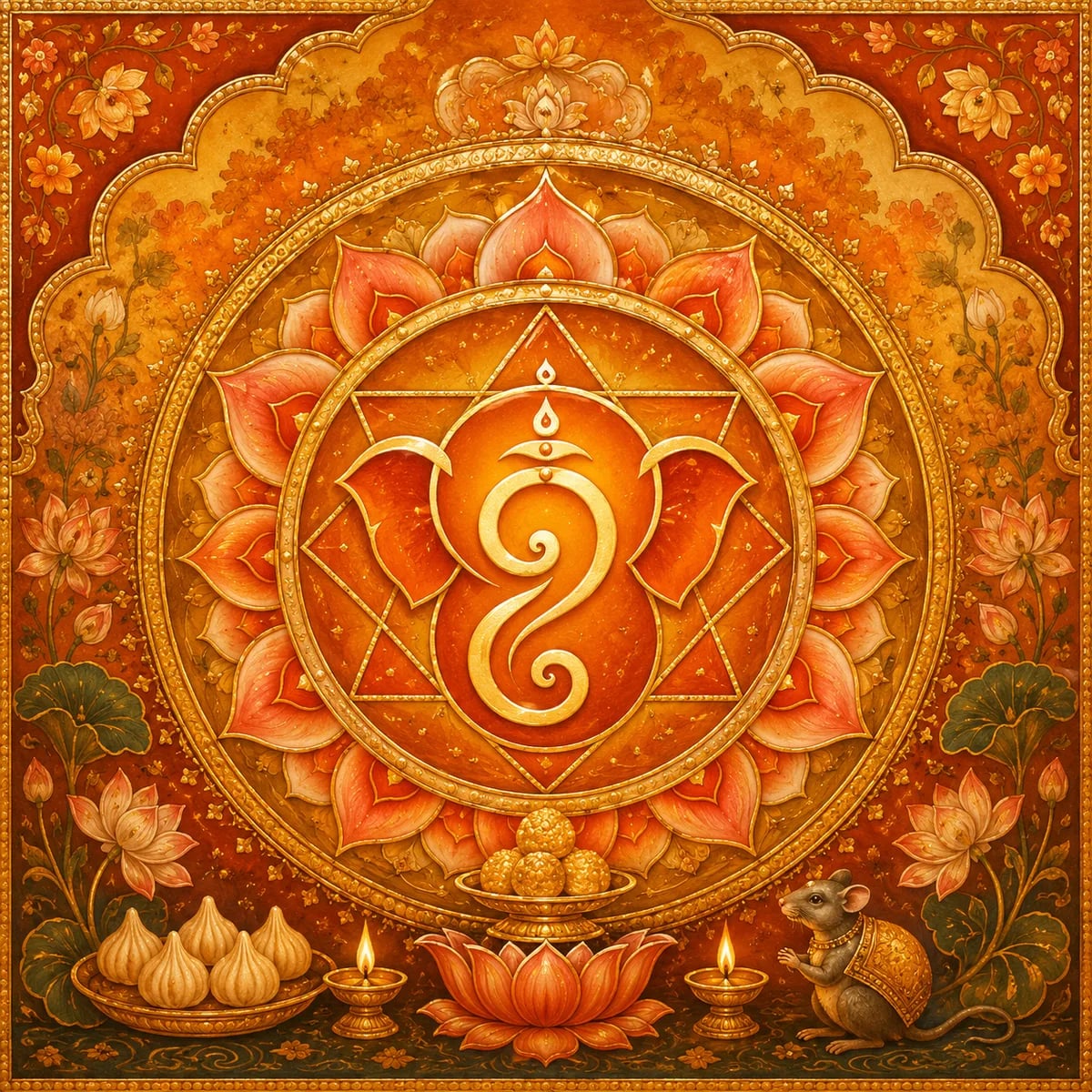
Ganesha
The seed-syllable of Ganesha, carrying his complete energy as the lord of beginnings and remover of obstacles, in a single sound
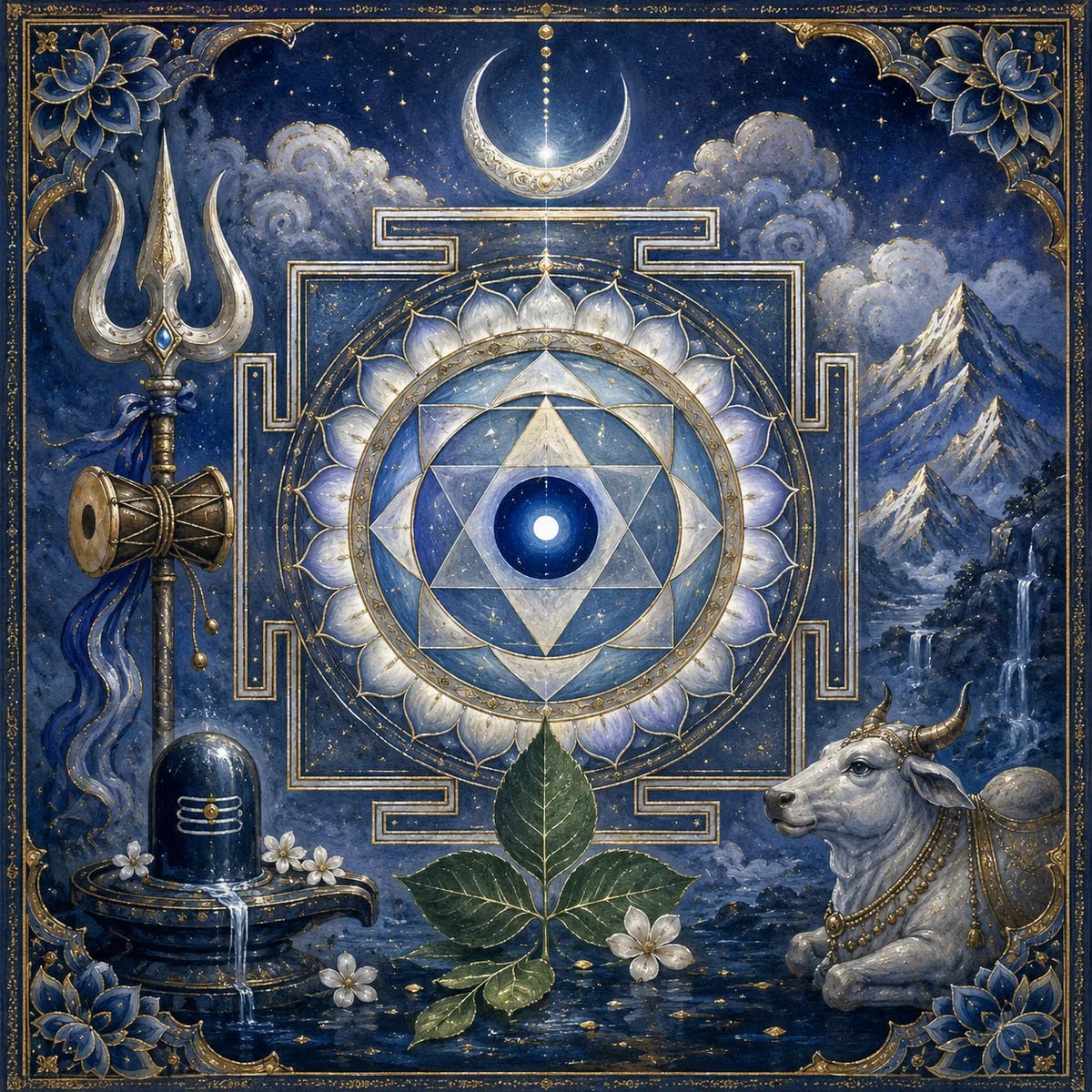
Shiva
The seed of Sadashiva, pure consciousness; the advanced Shaiva beej used in formal Tantric Shiva sadhana
Yogic Sleep · योगिक निद्रा
Yoga Nidra योग निद्रा
The threshold between waking and sleep — where 30 minutes of Yoga Nidra is said to equal 2–4 hours of deep sleep. Not unconsciousness, but the most conscious state possible.
Physical Relaxationशरीर शिथिलीकरण
Lying in Savasana, systematically release tension from every part of the body — toes, legs, abdomen, chest, arms, face.
Pratyaharaप्रत्याहार
Withdrawal of the senses. External sounds fade as attention turns inward to the felt sense of the body.
Sankalpaसंकल्प
A short, precise intention is planted in the fertile soil of the half-conscious mind. Said three times, felt deeply.
Rotation of Awarenessशरीर भ्रमण
Attention moves rapidly through every body part — creating a complete map of the self while the mind remains still.
Yoga Nidra Stateयोग निद्रा की अवस्था
The threshold between waking and sleep. Here the subconscious is directly accessible. Healing, creativity, and deep insight arise naturally.
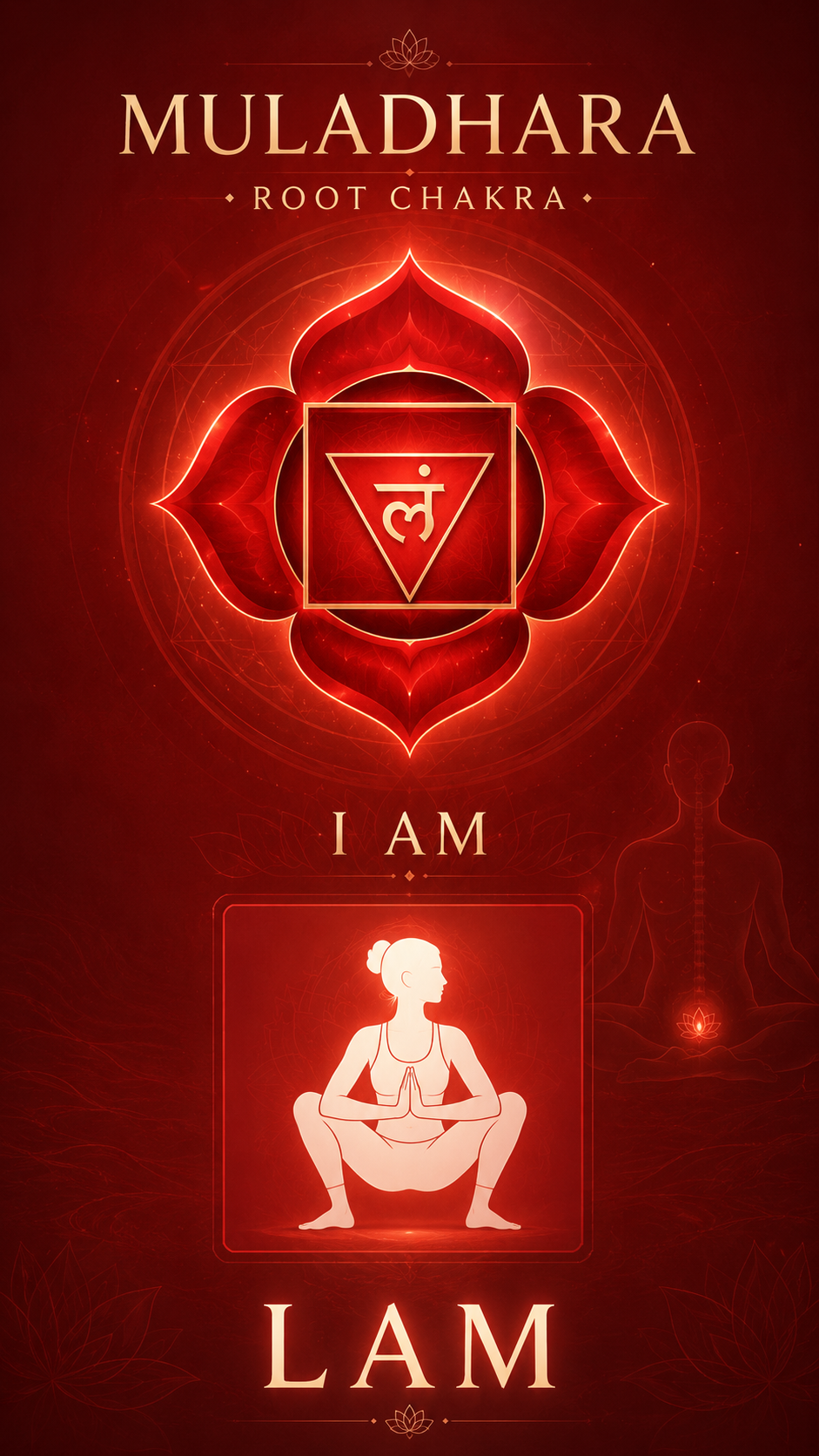
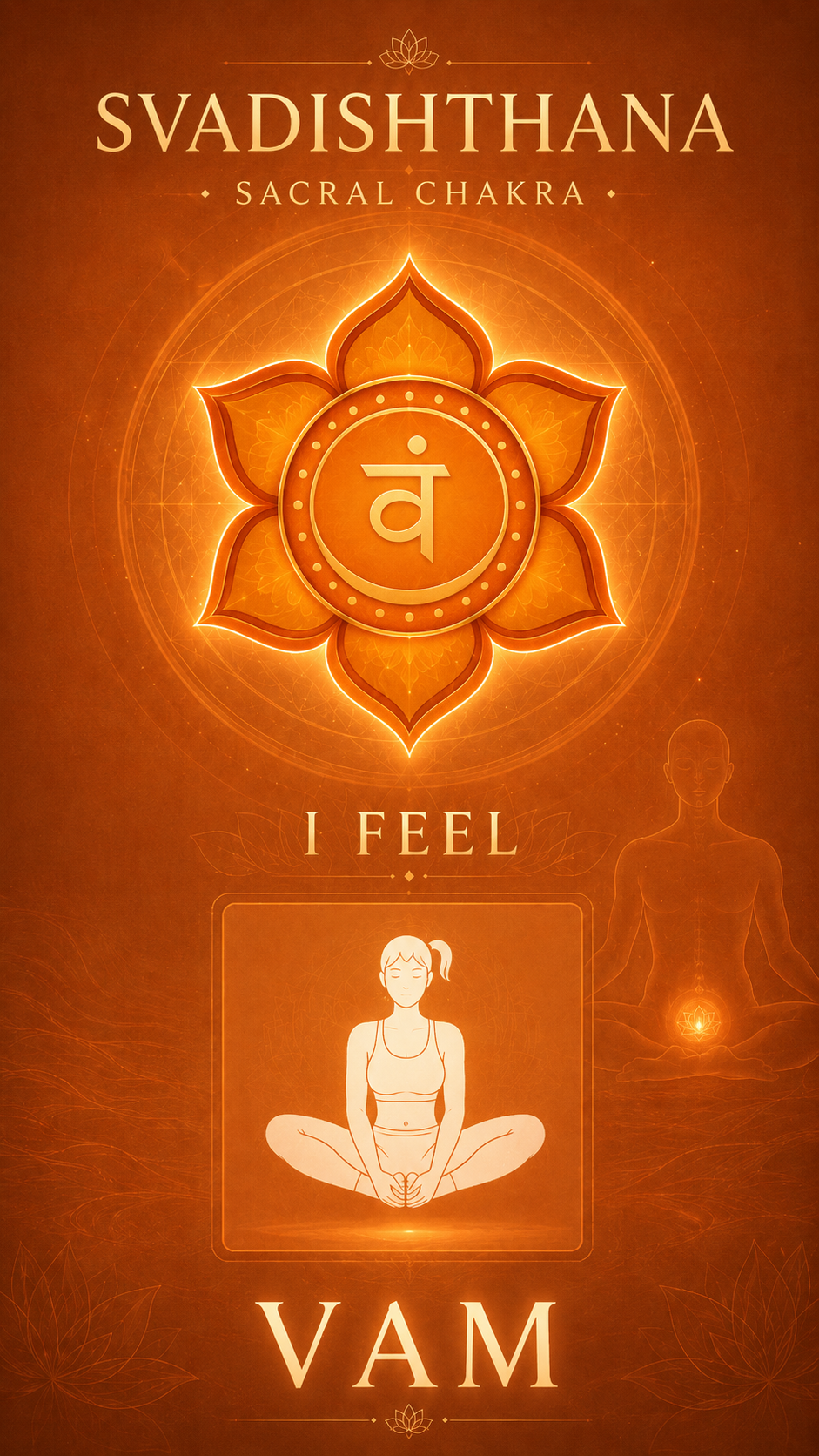
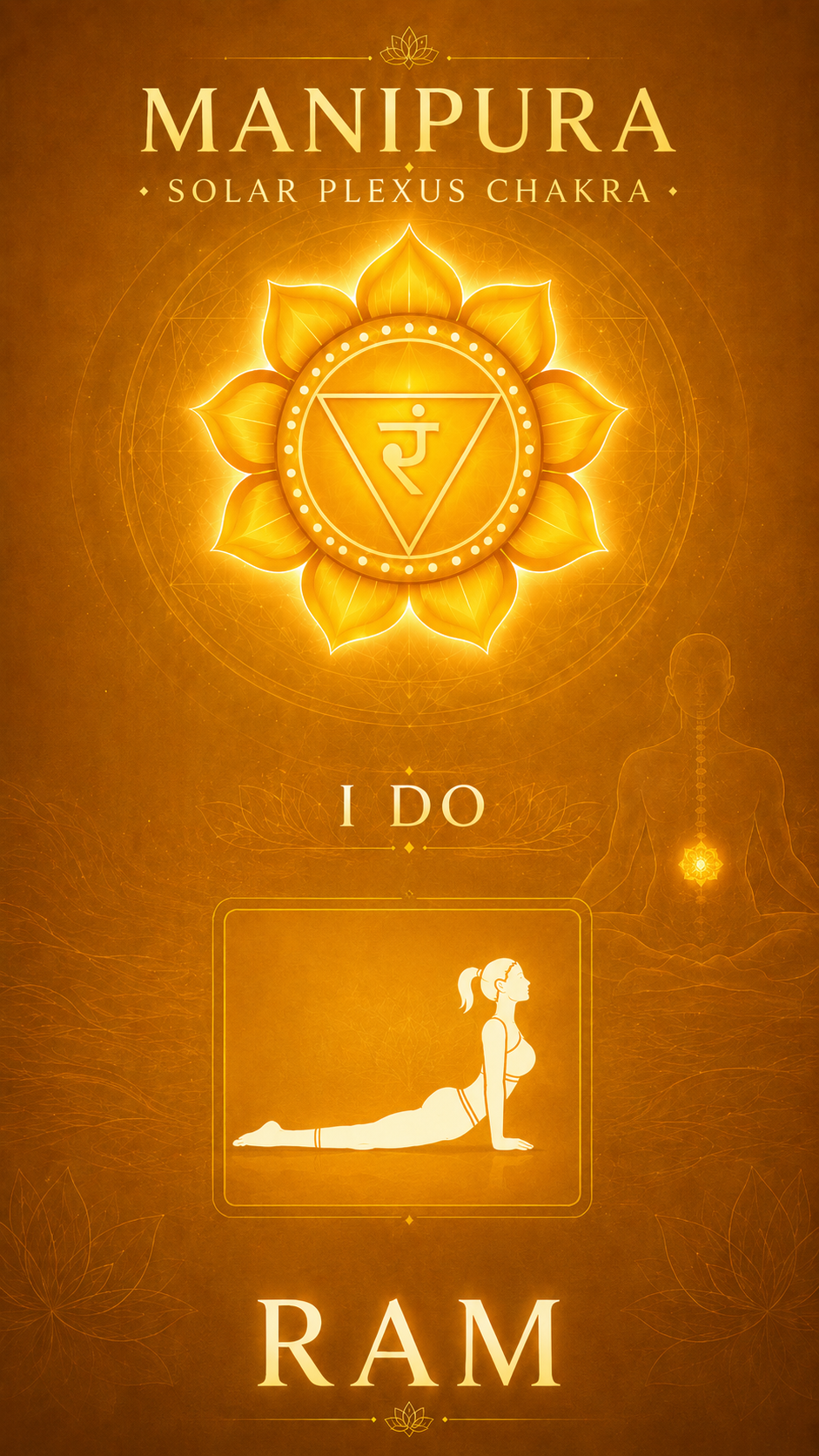
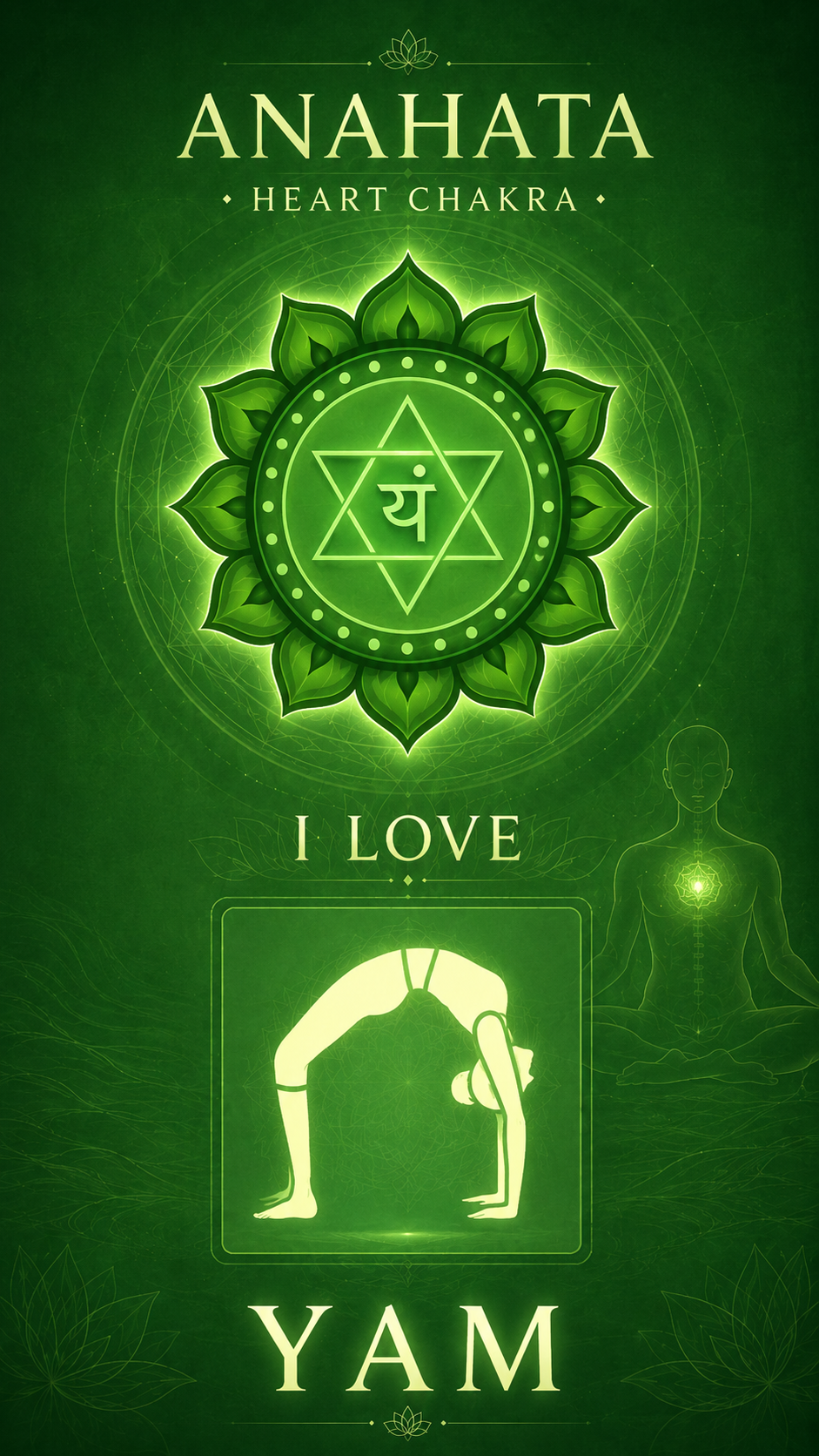
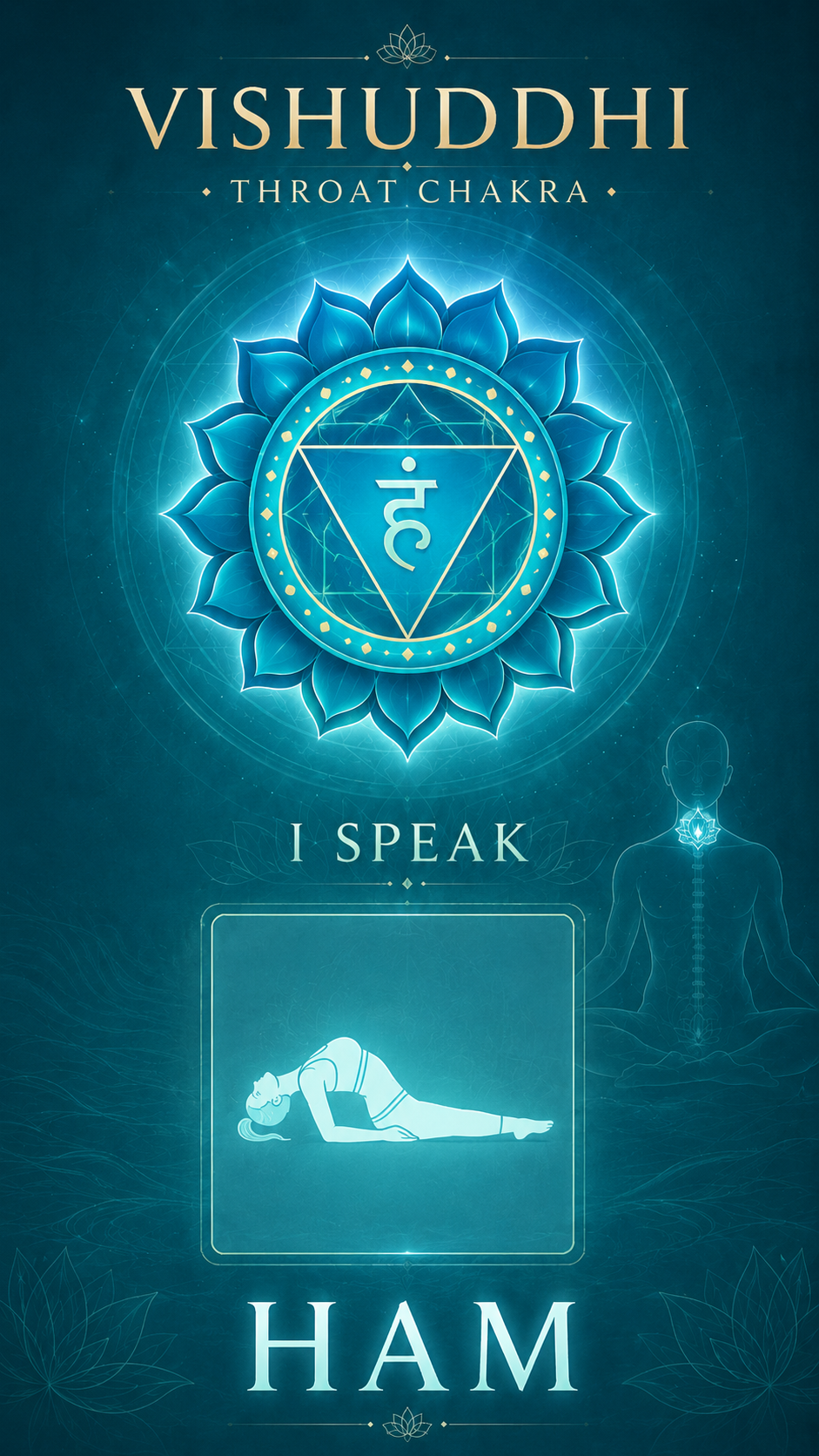
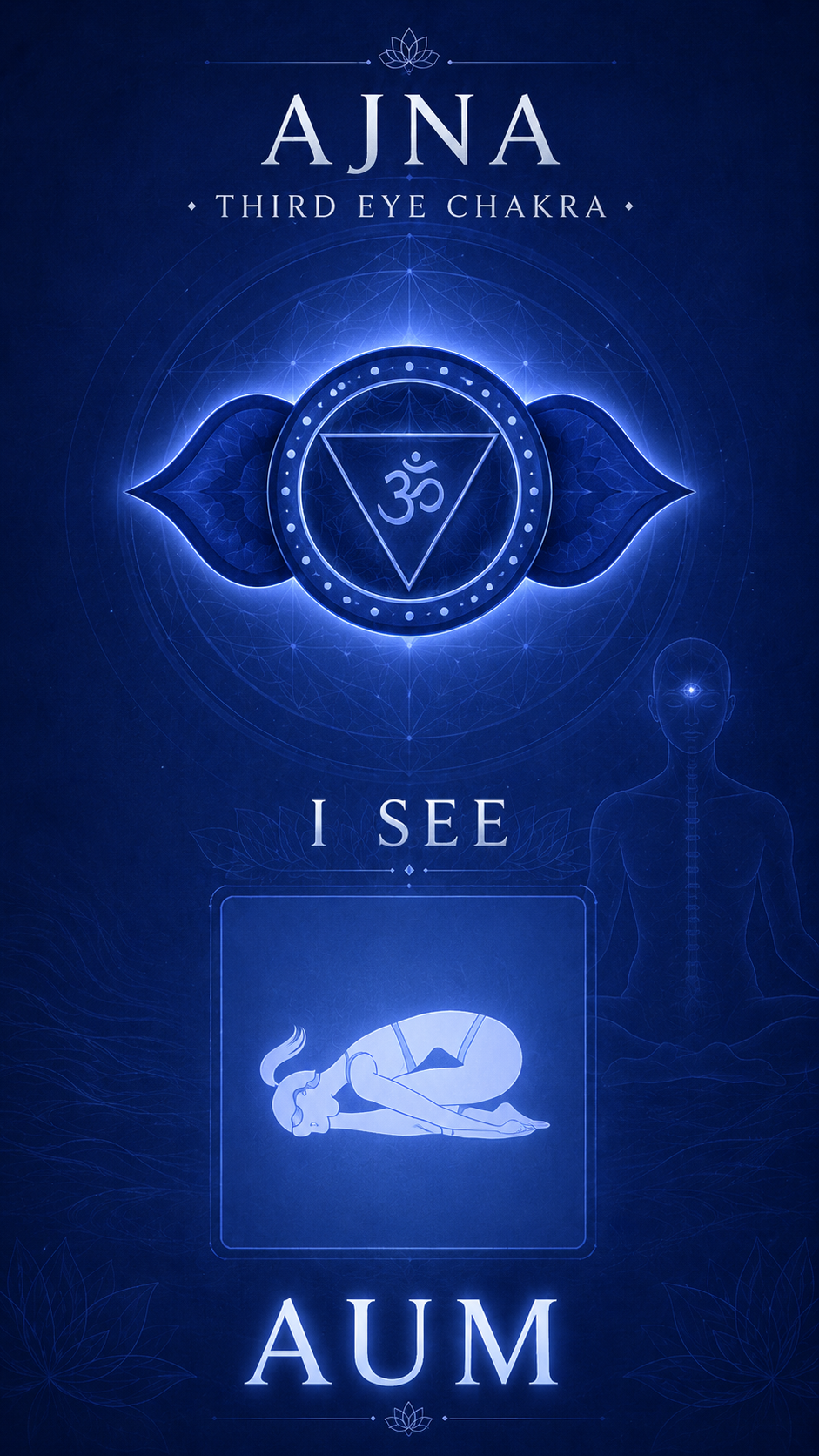
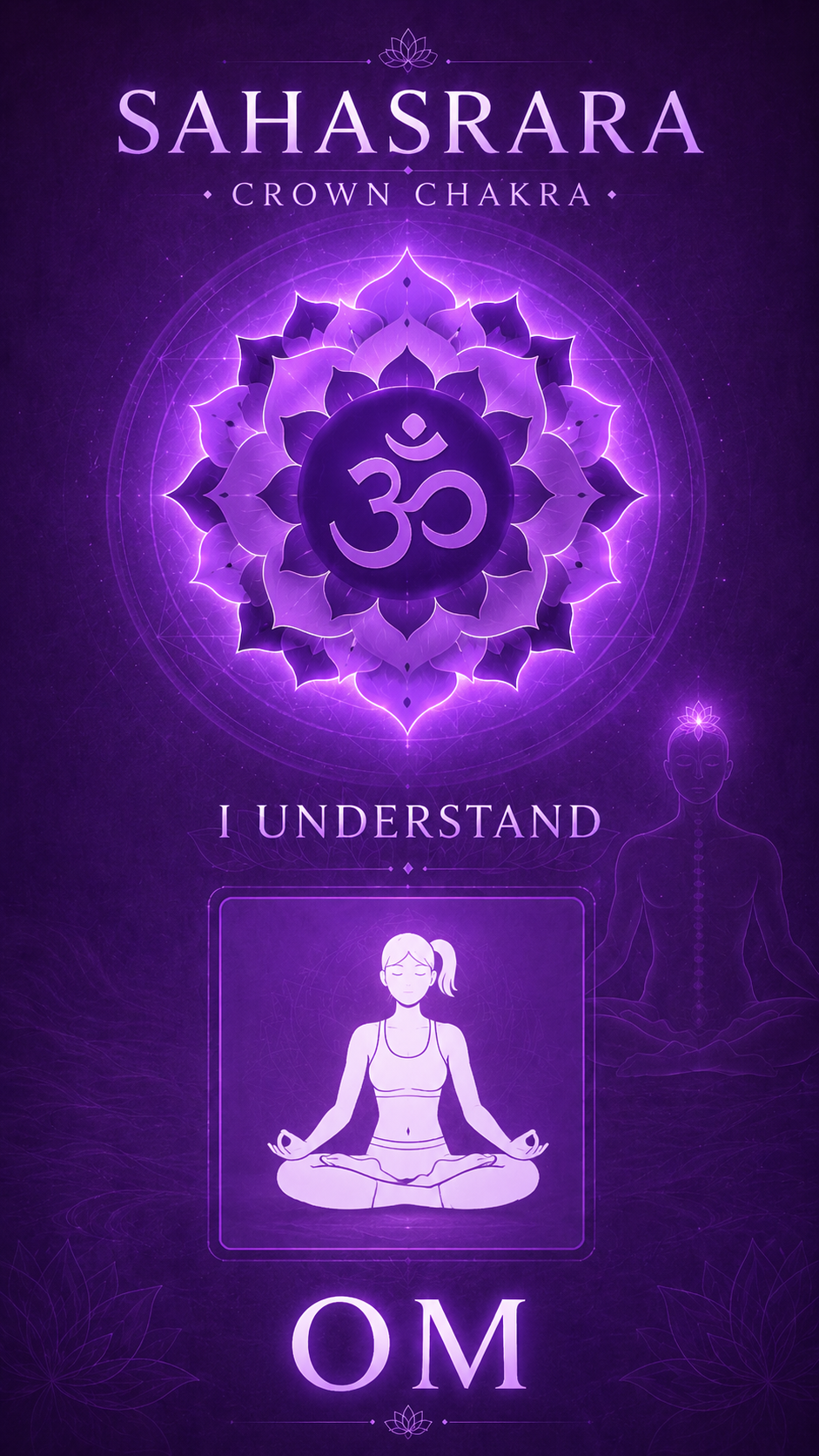
The 7 Chakras · सात चक्र
Energy centers of the subtle body ·सूक्ष्म शरीर के ऊर्जा केंद्र
Vigyan Bhairav Tantra · विज्ञान भैरव तंत्र
112 Dharana
Ancient centering techniques from the tantric dialogue between Shiva and Devi — each a direct path to pure awareness. No belief required, only attention.
Vijnana Bhairava Tantraविज्ञान भैरव तंत्र
112 centering techniques from the ancient tantric dialogue between Shiva and Devi — each a direct path to pure awareness, requiring no preparation and no philosophy, only a moment of total attention.
Read the full teaching in Eternal Gyan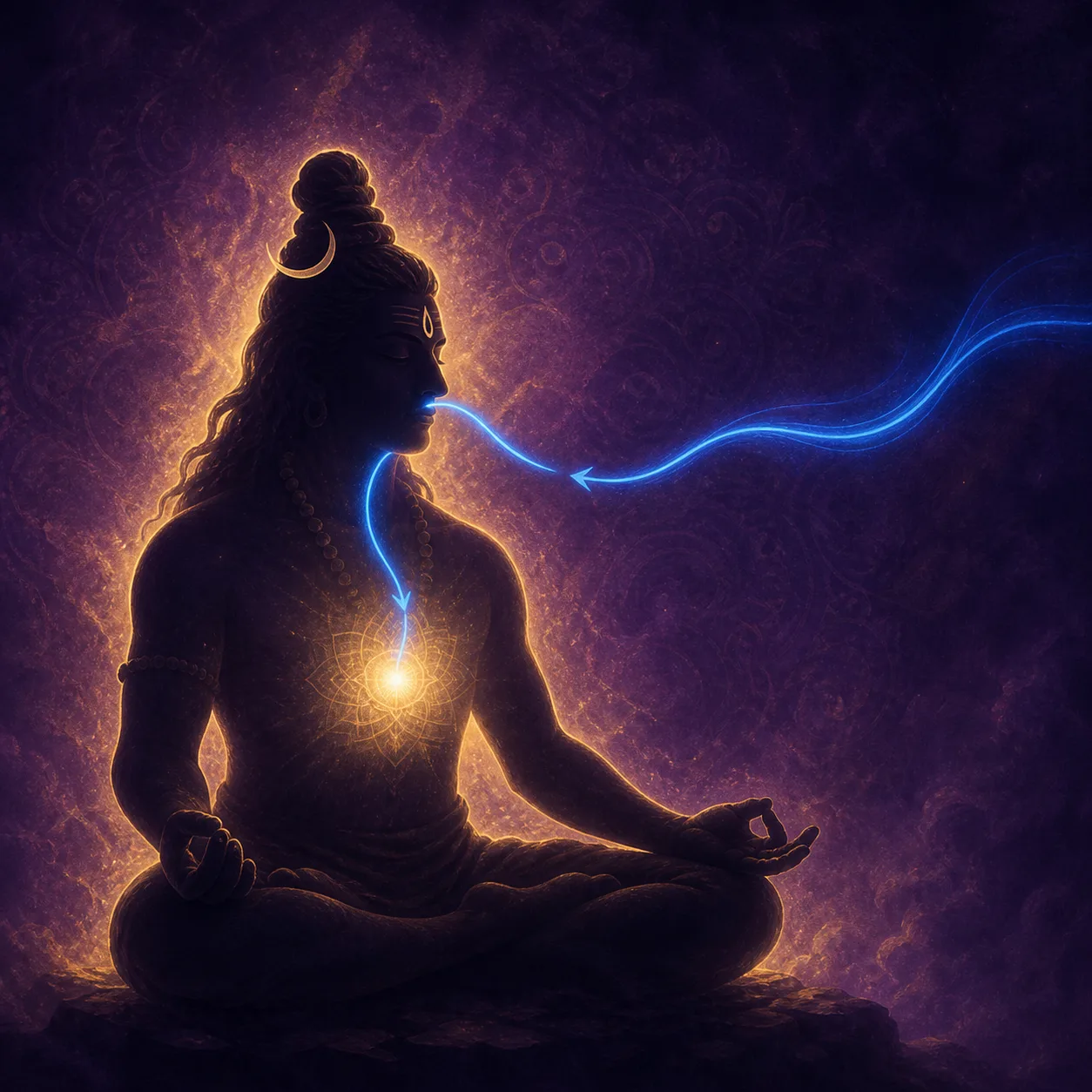
Dharana 1
The Pause Between Breathsसाँसों के बीच का ठहराव
Sit comfortably, anywhere quiet works, even your balcony chair. Take an ordinary breath in. As the inhale ends and before the exhale begins, notice the small still moment that lives between them. Stay with that pause for as long as it stays, without forcing it longer. Then breathe out, and find the same quiet again at the bottom. The pause is not empty. It is awareness, waiting under your breath all along.
▶ Begin Practice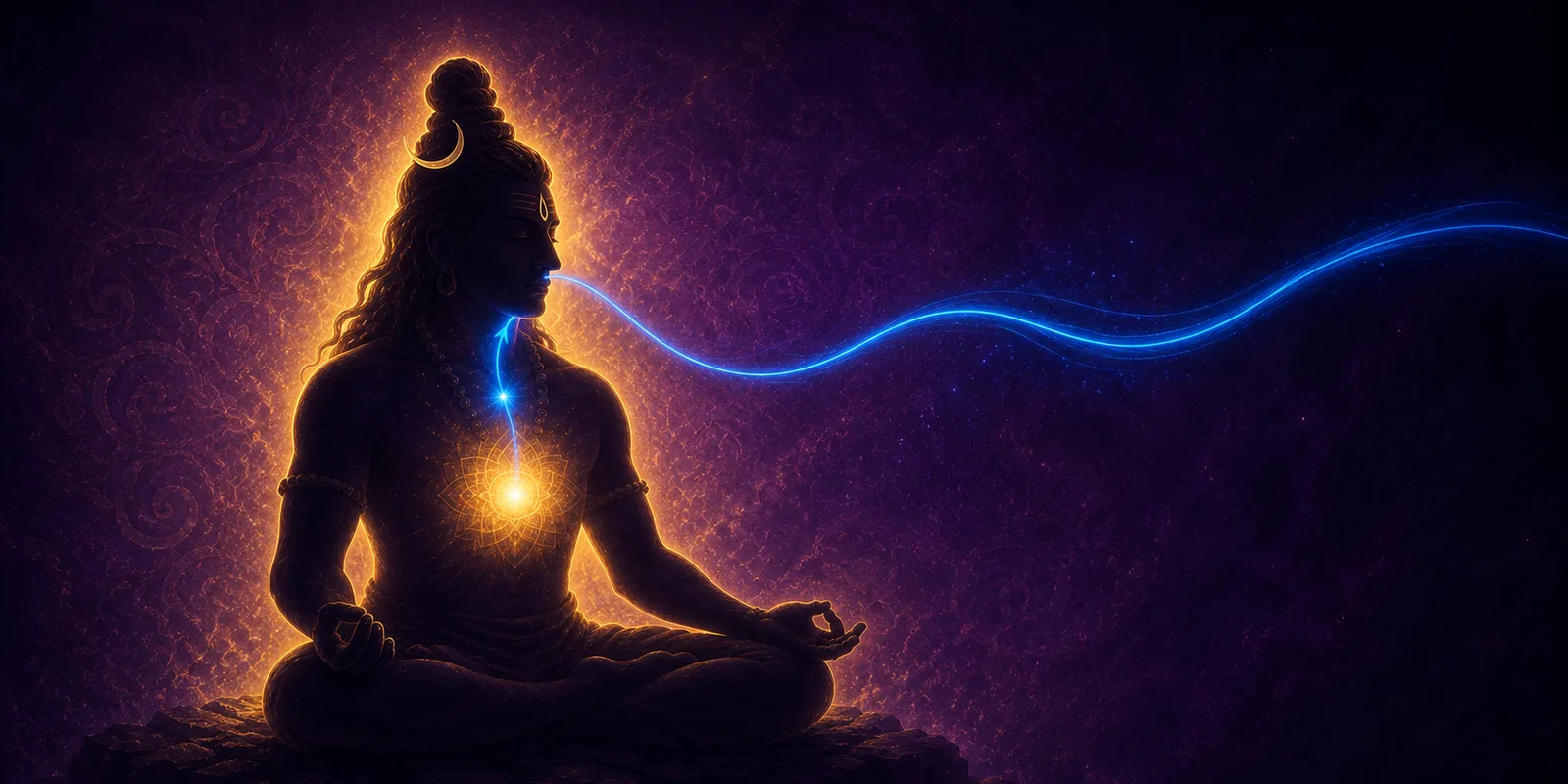
Dharana 2
The Far Edge of Each Breathहर साँस का अंतिम छोर
Sit easy. Take a slow breath out, longer than usual, as if releasing the day. Do not stop midway. Let it go all the way to its end, until there is nothing left to breathe out. At that far edge, before the body pulls the next breath in, stay. The edge holds a steadiness that does not need effort. It is the same steadiness that does not collapse when, in the next moment, you have to speak, or answer, or carry on.
▶ Begin Practice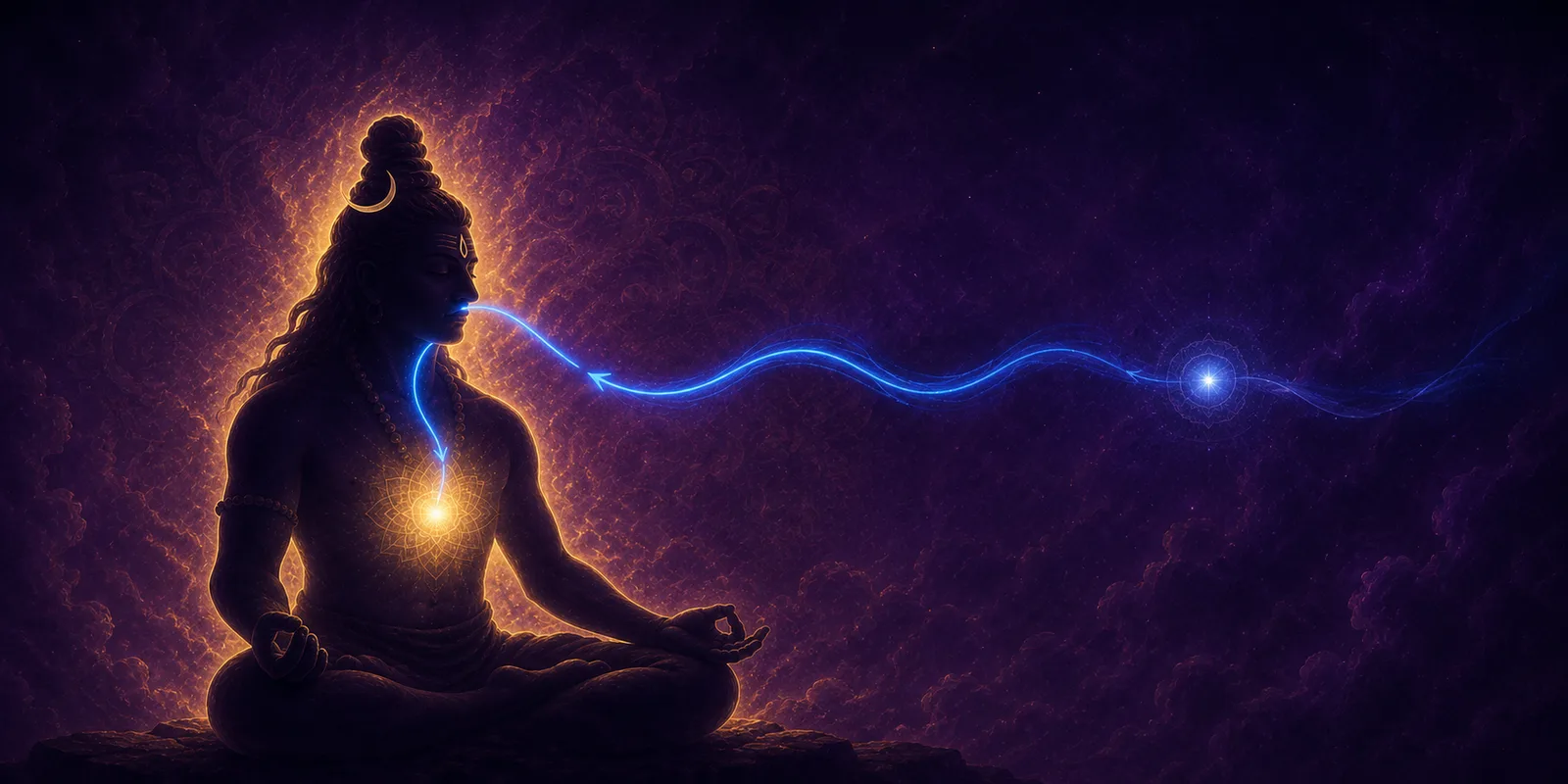
Dharana 3
The Breath That Staysठहरी हुई साँस
After a long day, sit down with your back easy. Breathe out slowly, as if releasing the day's emails and traffic and the small worries that came home with you. At the end of the exhale, do not pull the next breath in. Simply rest in the gap. The body will breathe again on its own when it is ready, and you will feel the difference between forcing and receiving. That gap is where Shiva lives, ordinary and very close.
▶ Begin Practice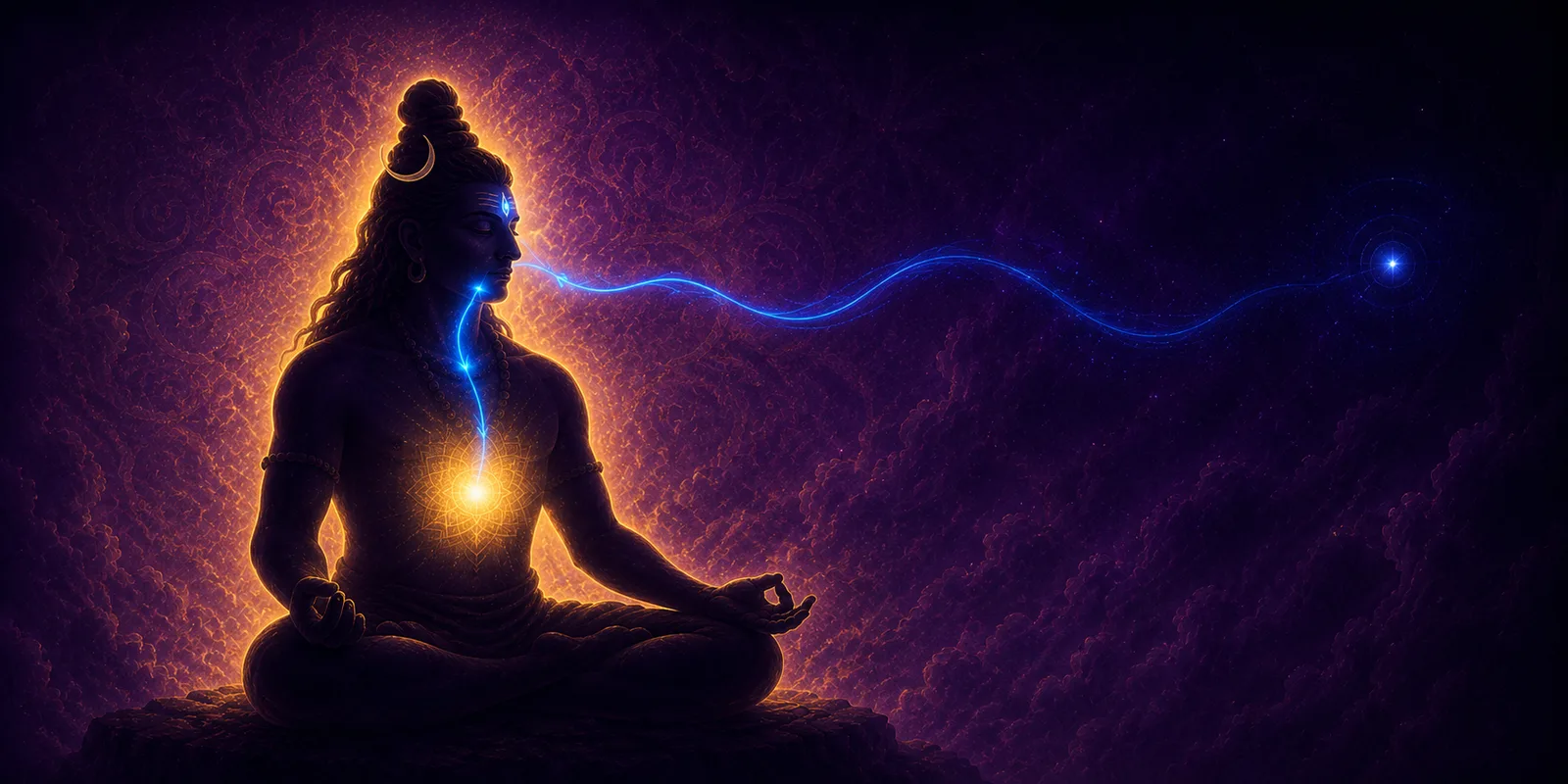
Dharana 4
The Climb of the Breathसाँस की चढ़ाई
Sit upright with the back easy, eyes softly closed. As you take a slow breath in, let your attention rise with it gently, from the base of the spine through the navel and chest, up to a point that feels just above the head. Stay there for a few breaths, light and at ease. Do not pull, do not push. The rising is the breath's own nature, not something to force. What you reach above the head is the same awareness that started at the base, only more open.
▶ Begin Practice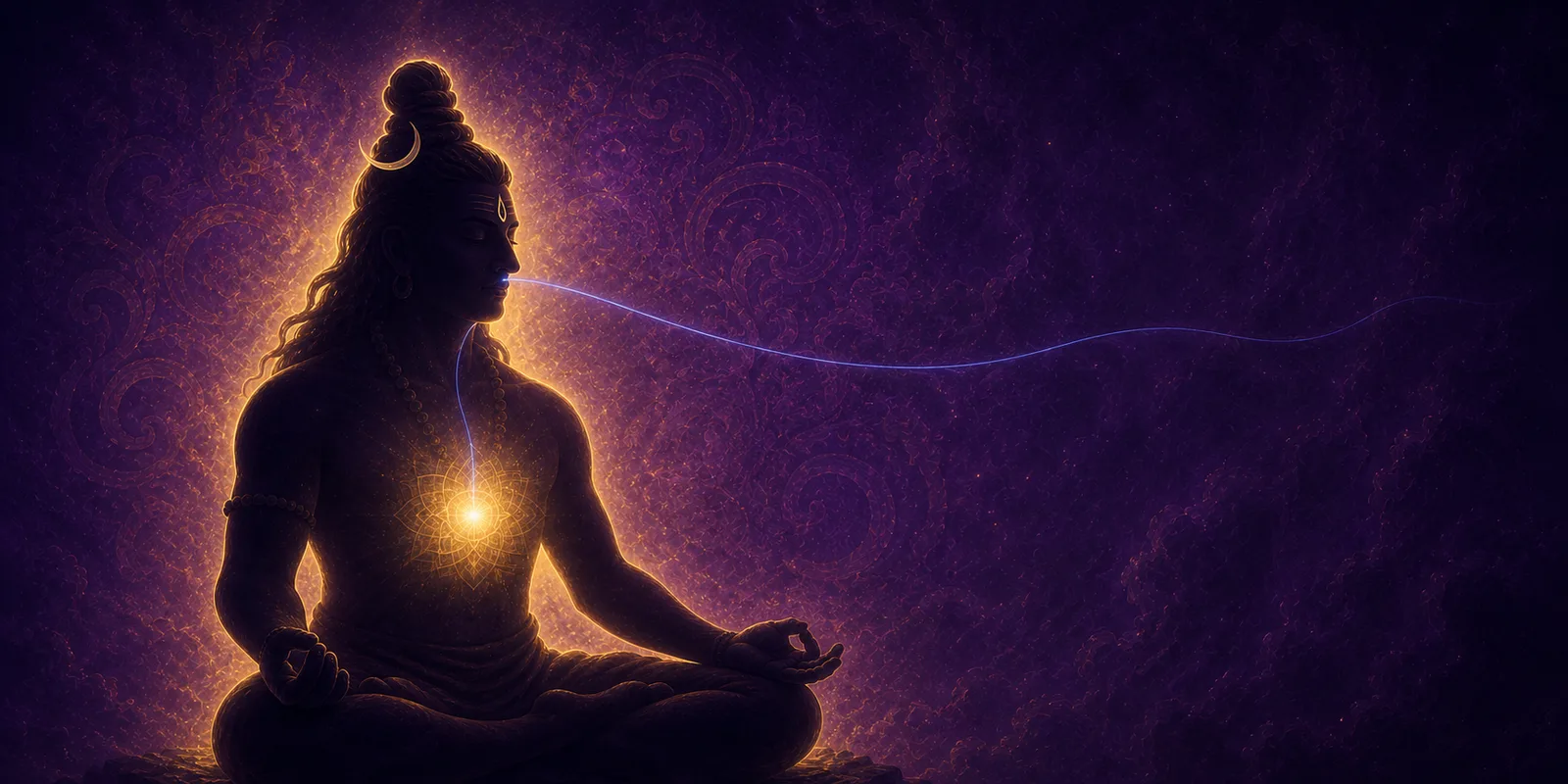
Dharana 5
The Finest Thread of Breathसाँस का सबसे महीन धागा
Sit comfortably, breath unhurried. As you exhale, follow the breath as it grows finer and finer, like a thread becoming so thin you can barely sense its weight. By the end of the exhale, the breath is almost not breath at all, just a quiet movement at the edge of awareness. Rest there. Each fresh inhale begins on its own, gently. The mind, when it follows breath into fineness, also becomes fine, until what remains is only the listening.
▶ Begin Practice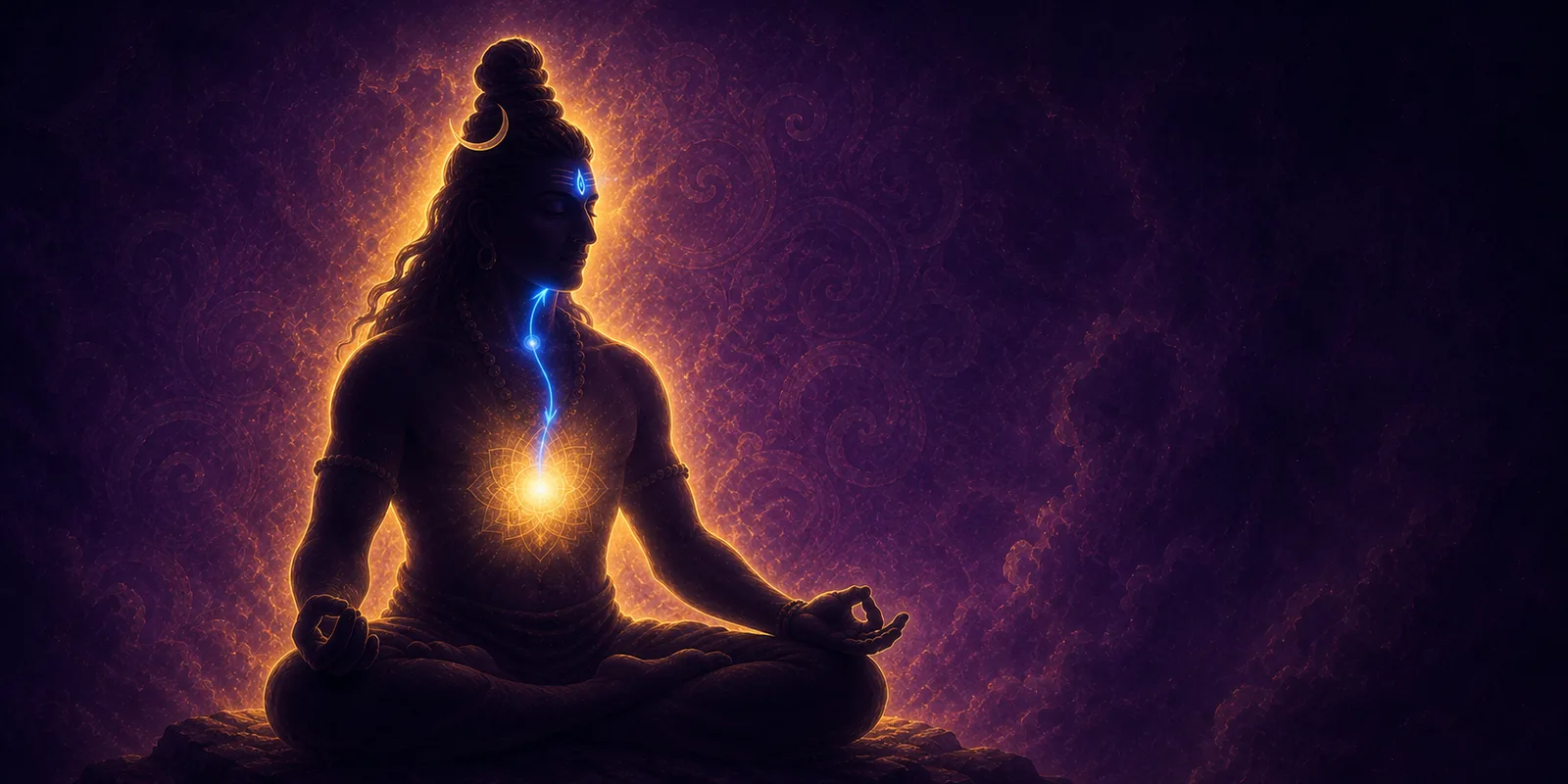
Dharana 6
Twelve Stations of Breathसाँस के बारह पड़ाव
Sit upright, eyes closed. Imagine a quiet path along the front of the body, from the base of the spine to a point just above the head. As you breathe in, let your attention pause briefly at twelve small stations along the way, the navel, the heart, the throat, and the spaces between. Do not strain to see anything. Just touch each station softly with awareness, breath by breath. The path is not a ladder to climb. It is a way to remember that the body is full of quiet rooms.
▶ Begin PracticeBreath as Bridge · श्वास का सेतु
Pranayama प्राणायाम
Prana is life-force. Ayama is expansion. Presented in the structure of the Hatha Yoga Pradipika: four foundational practices, one classical bridge, and the complete eight kumbhakas.
The four most widely practised, accessible, and substantiated pranayamas. Safe for daily self-practice by most healthy adults without specialist supervision.
 beginner
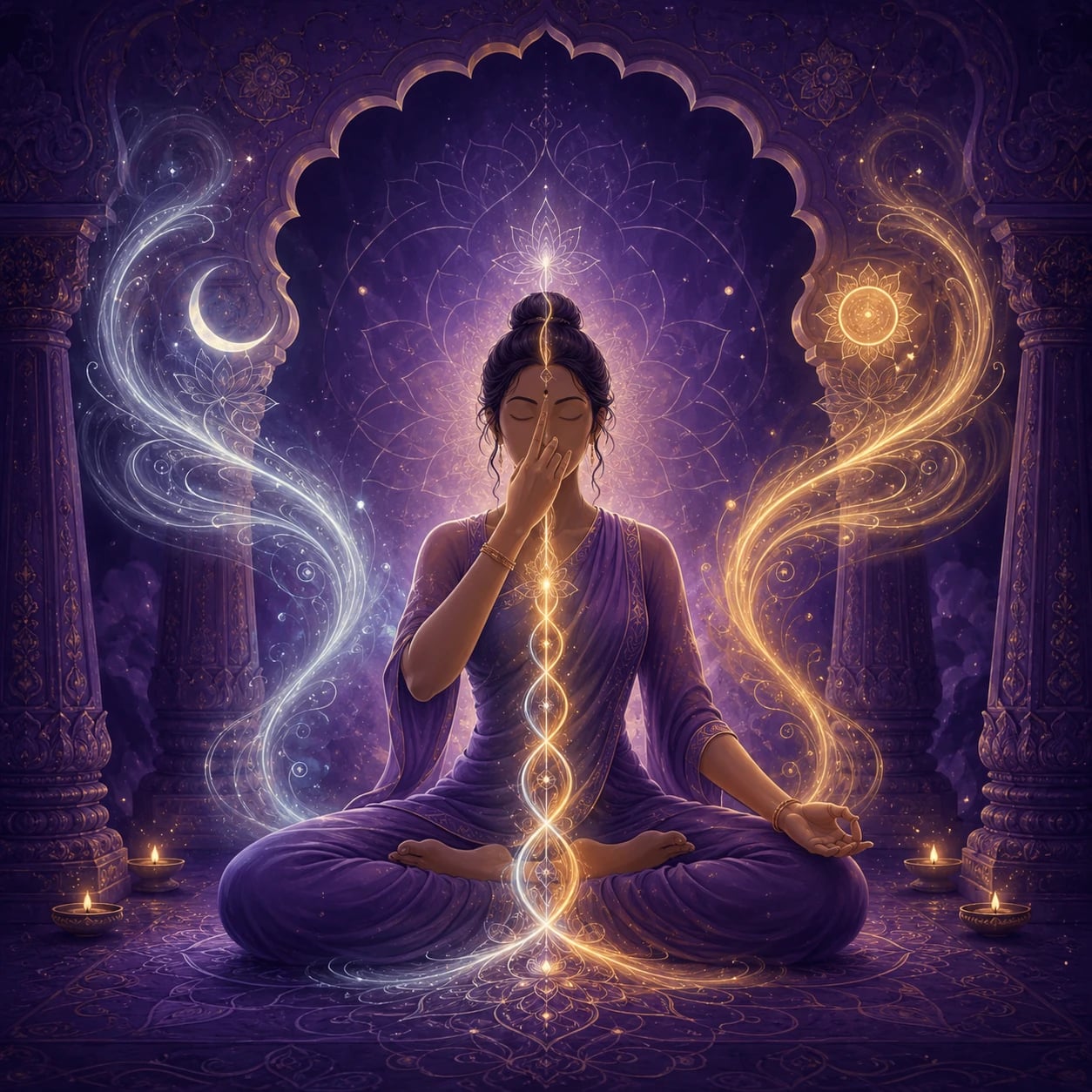
Anuloma Viloma
अनुलोम विलोम
Alternate Nostril Breathing
Calms the mind. Reduces anxiety. Settles scattered thought. Prepares the body and mind for meditation or sleep. Many practitioners report a sense of mental clarity within 5 to 10 minutes of practice.
 beginner
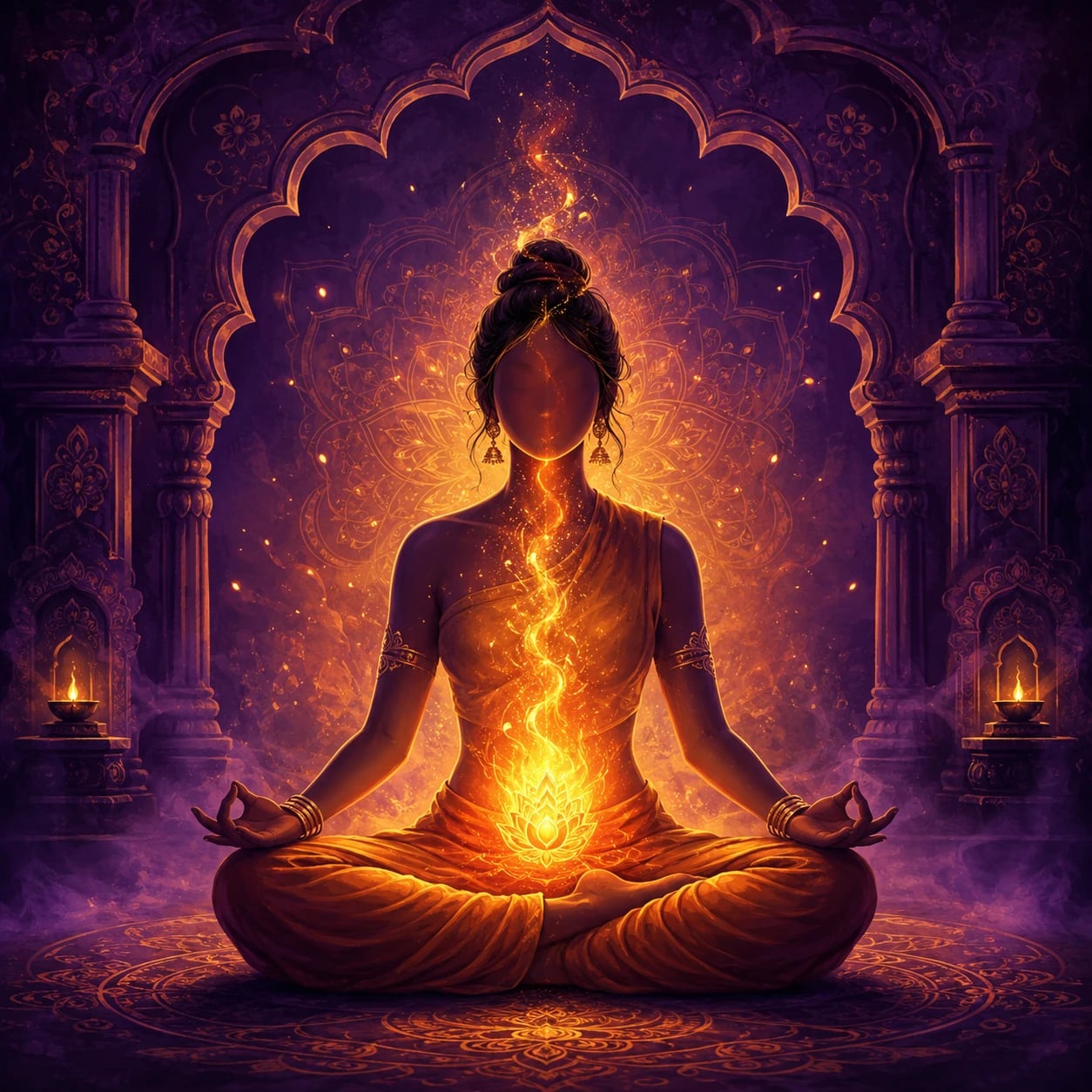
Bhrāmarī
भ्रामरी
Bee Breath
Many practitioners report that Bhramari is the most immediately effective pranayama for anxiety they have ever encountered. Five rounds — three or four minutes of practice — typically produces a noticeable settling of the nervous system. The humming is felt physically as vibration through the bones of the face and skull, and the felt sense after the practice is consistently described as 'soft,' 'still,' or 'spacious.' It is the pranayama most often recommended by yoga therapists for insomnia, mild anxiety, and high blood pressure.
 intermediate
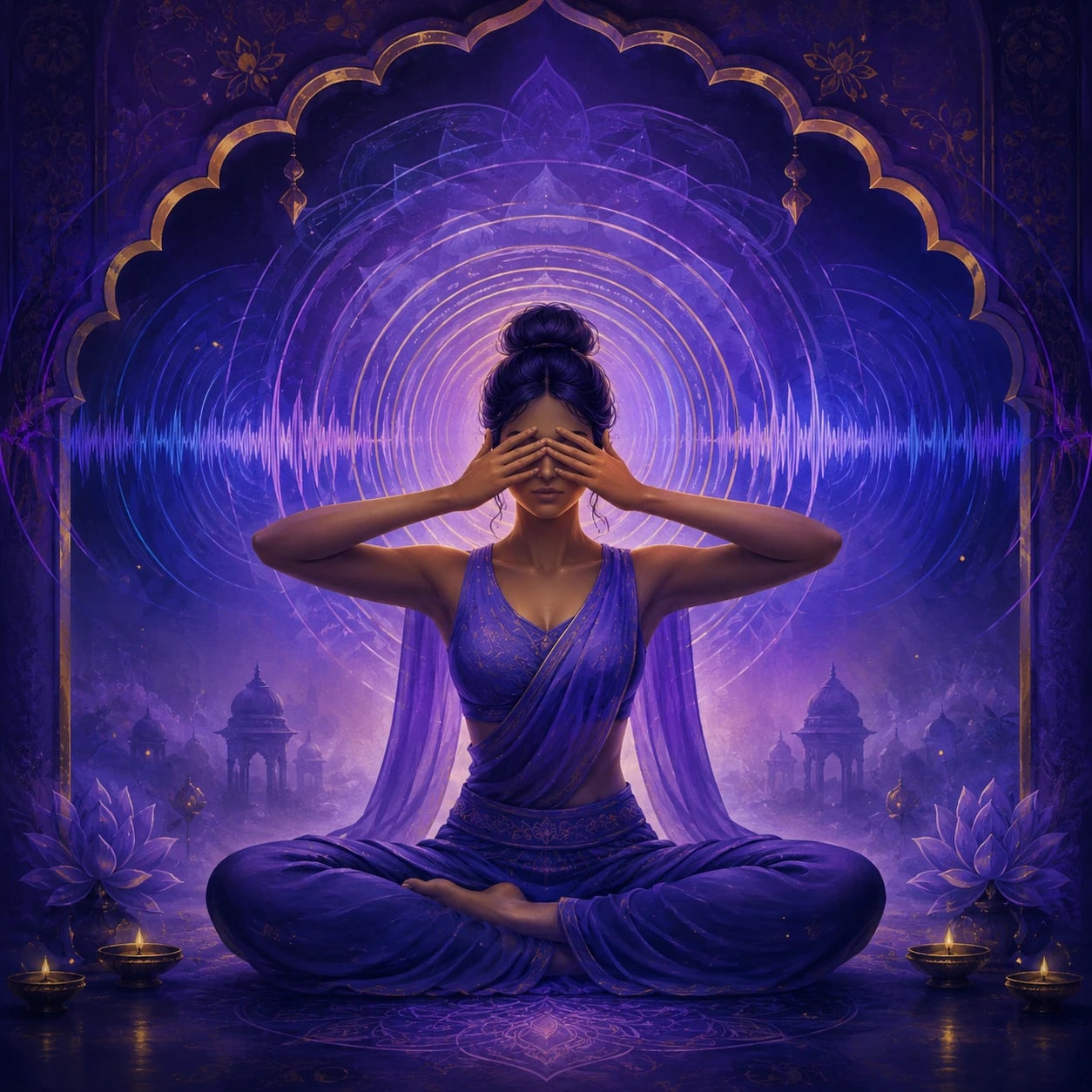
Kapālabhāti
कपालभाति
Skull-Shining Breath
After a session of Kapalbhati, practitioners typically report feeling alert, mentally clear, slightly warm, and energised. The face often flushes briefly. The breath after the practice is fuller and slower. The mind is awake but settled. The effect is more energising than calming — Kapalbhati is the morning practice par excellence, not an evening one.
 beginner
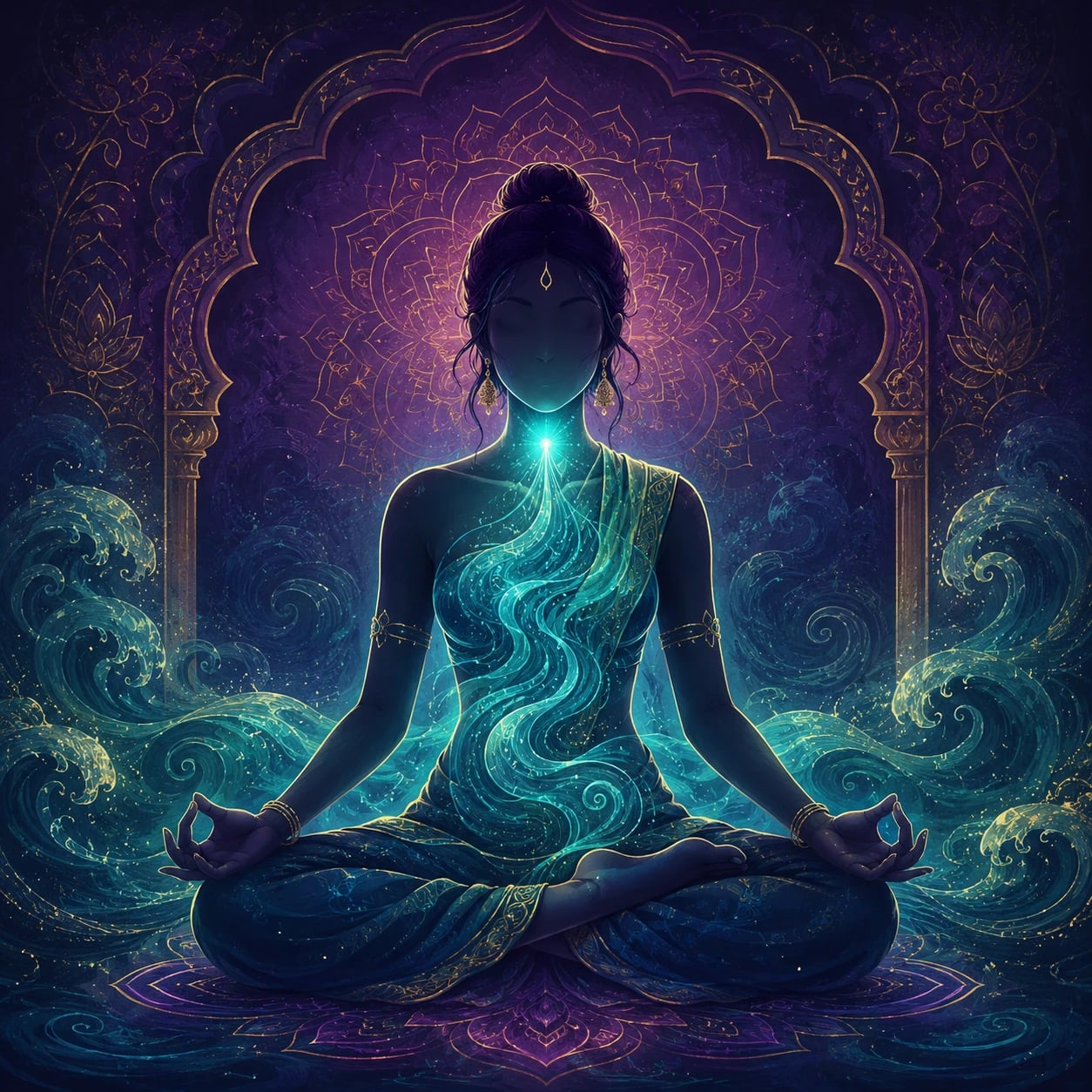
Ujjāyī
उज्जायी
Victorious Breath
Ujjayi anchors the mind. In asana practice it transforms a sequence of poses into a continuous moving meditation — the breath becomes the metronome and the focus, and the body follows. In seated practice it gives the meditator a reliable anchor when thought wanders. Practitioners report feeling warmer (it generates measurable internal heat), more focused, and more steady. Long sessions produce a state of alert calm that distinguishes Ujjayi from the more dramatically calming practices like Bhramari.
The Hatha Yoga Pradipika places channel purification before the eight kumbhakas. This is the classical gateway: the tradition treats it as prerequisite for the deeper retentions.
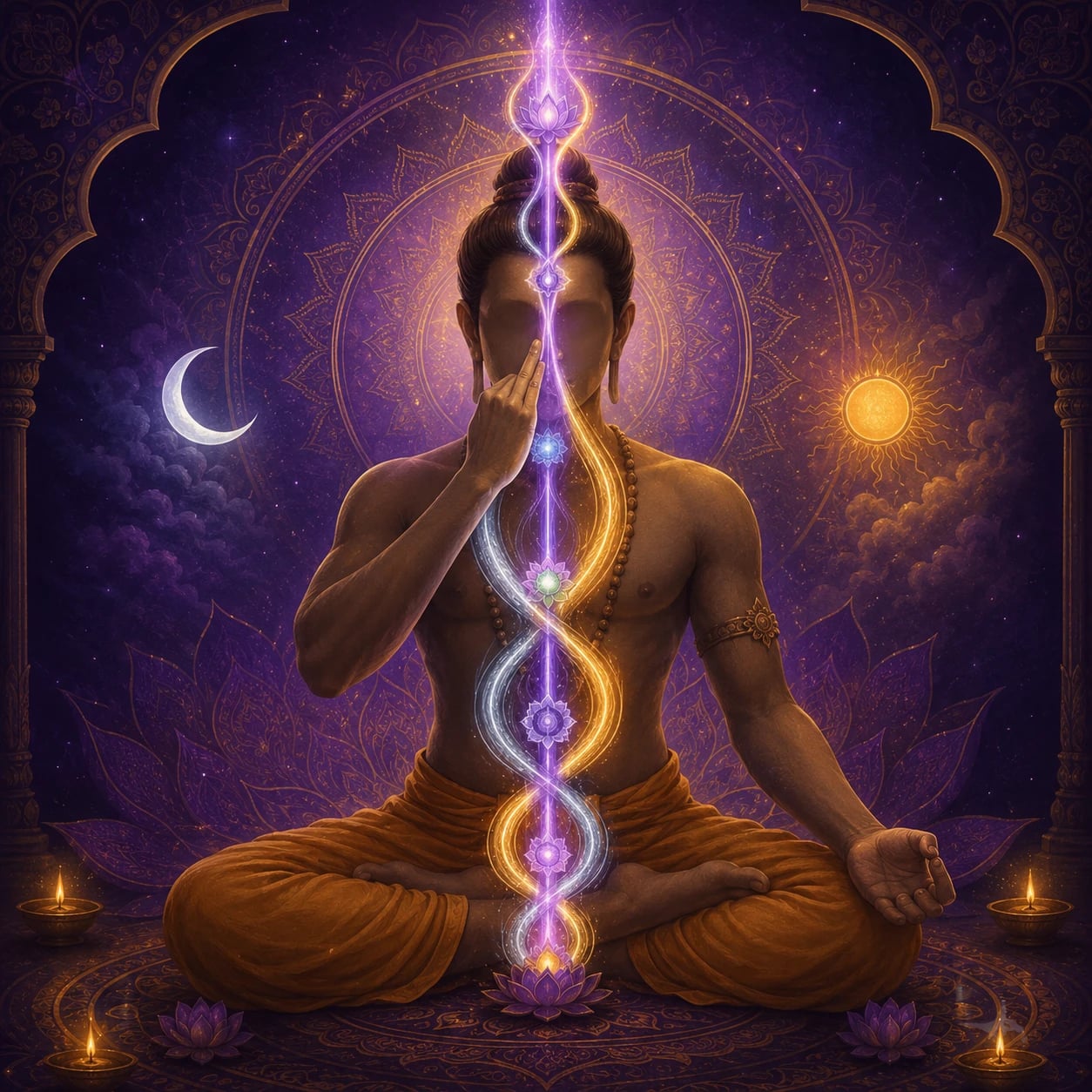
Nāḍī Śodhana
नाडी शोधन
Channel Purification Breath
Practitioners report a settled clarity that is qualitatively deeper than what Anulom Vilom produces alone. The retention adds an element of inner stillness — the body becomes very quiet during the held breath, and a particular kind of attention becomes available that asana and meditation can then build on. Many serious practitioners describe Nāḍī Śodhana as the practice that made deeper meditation possible for them.
The eight kumbhakas documented by Svatmarama in the Hatha Yoga Pradipika (Chapter 2), presented in their classical sequence. Two are already in Foundation; all eight are shown here for the complete picture.
 01
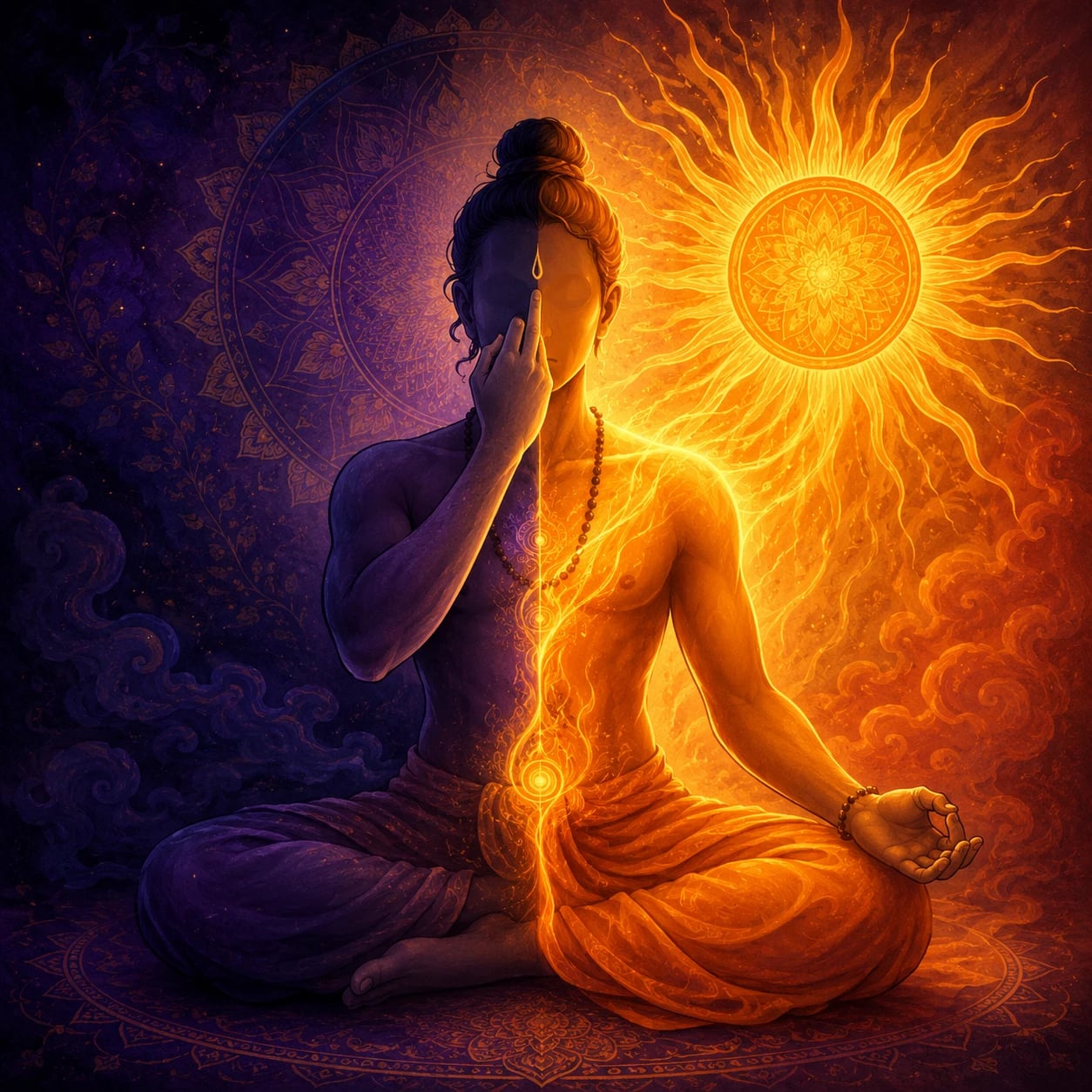
01Sūrya Bhedana
Right Nostril Breath (Sun-Piercing Breath)
Practitioners report feeling warmer (often within a few rounds), more alert, more dynamic, and more clear-headed. The effect is the opposite of Anulom Vilom's gentle balancing — Surya Bhedana actively pushes the system toward the active, warm, energising side. It is not a relaxation practice. It is the breath for action, for cold mornings, for clearing dullness.
02Foundation + ClassicalUjjāyī
Victorious Breath
Ujjayi anchors the mind. In asana practice it transforms a sequence of poses into a continuous moving meditation — the breath becomes the metronome and the focus, and the body follows. In seated practice it gives the meditator a reliable anchor when thought wanders. Practitioners report feeling warmer (it generates measurable internal heat), more focused, and more steady. Long sessions produce a state of alert calm that distinguishes Ujjayi from the more dramatically calming practices like Bhramari.
 03
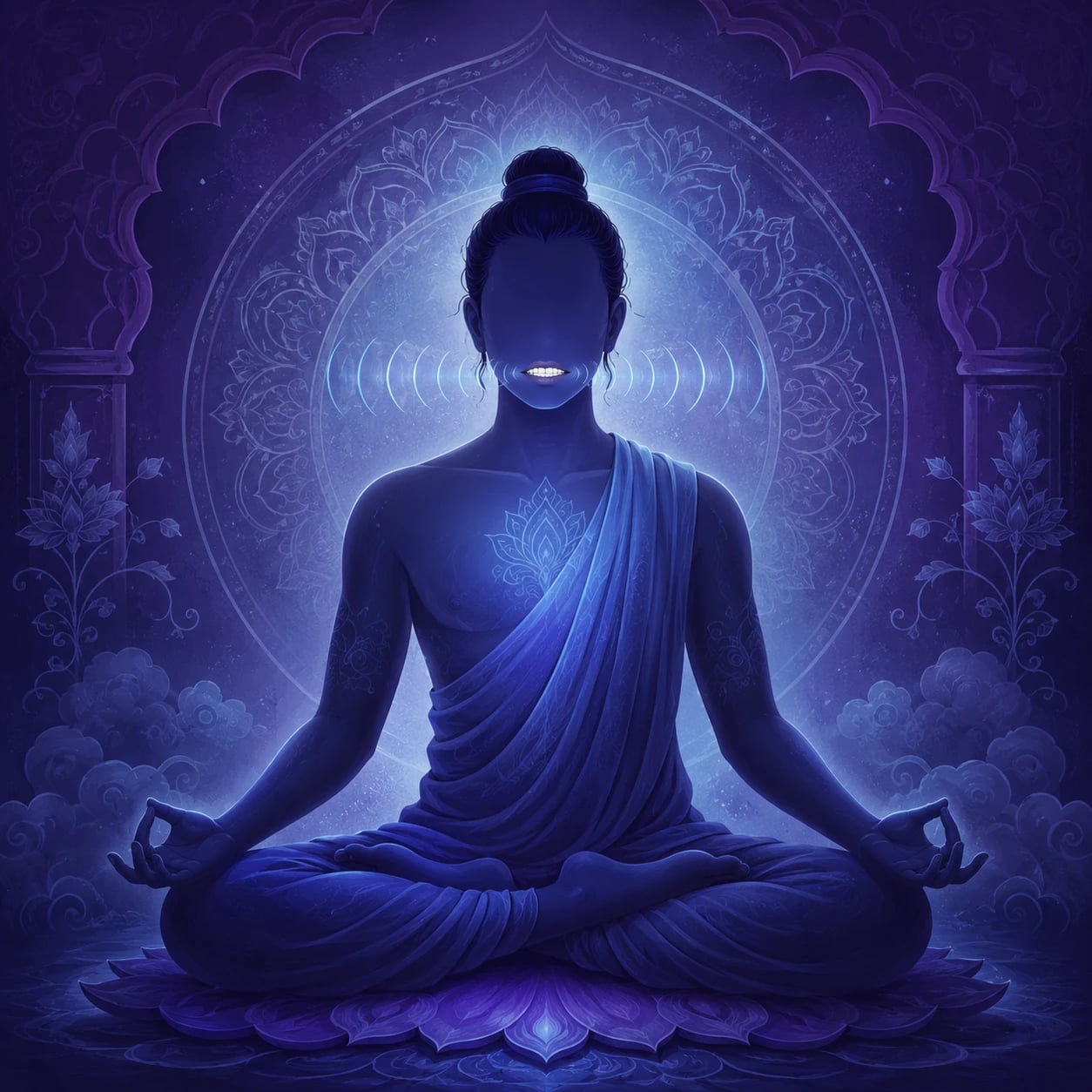
03Sītkārī
Hissing Cooling Breath
Practitioners report the same cooling effect as Sheetali — the mouth and throat feel distinctly cool within a few rounds, and the overall system feels lighter and less heat-stressed after a full session. The hissing sound itself produces a slight withdrawal-into-self quality that some practitioners find adds a meditative anchor that Sheetali (with the protruded tongue) lacks.
 04
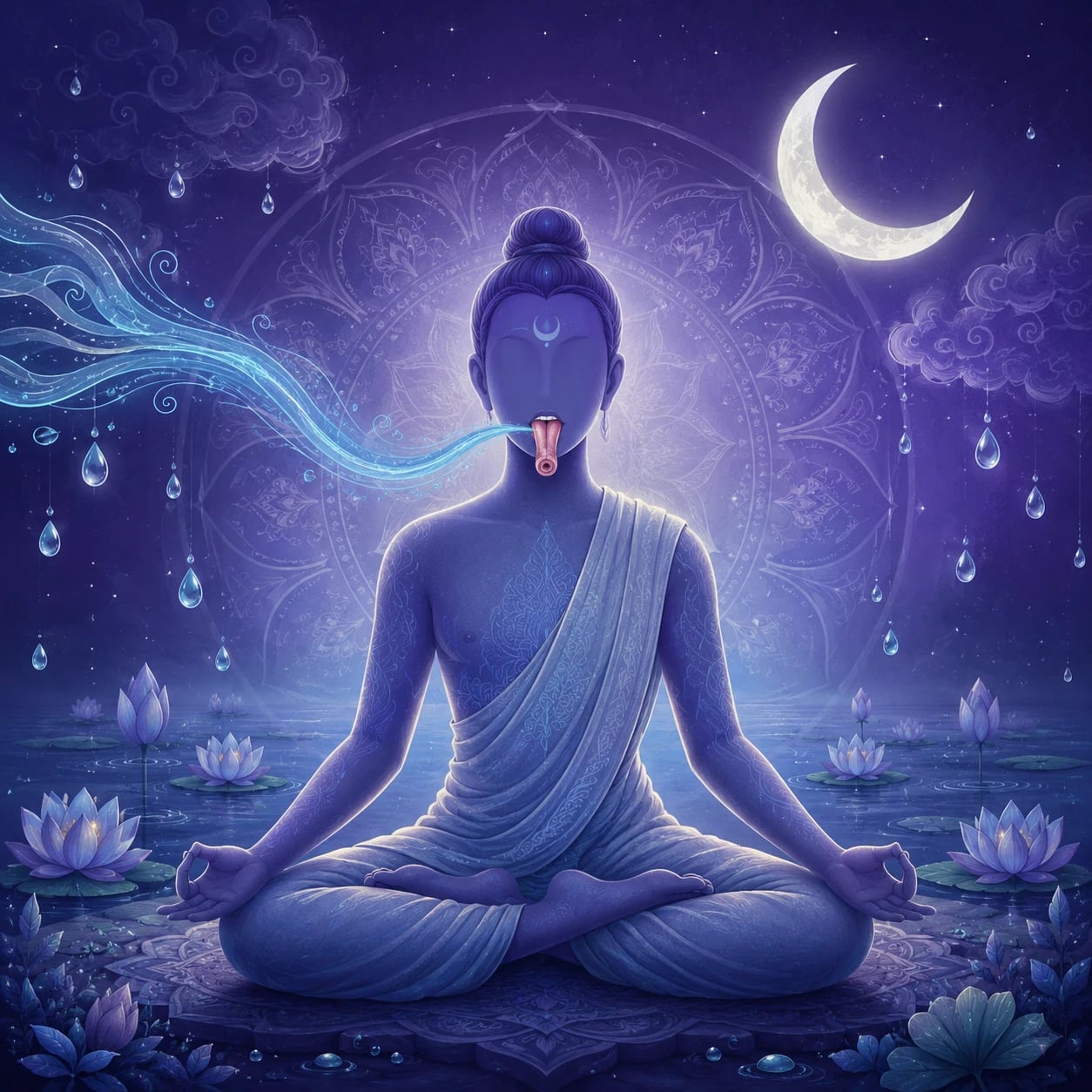
04Śītalī
Cooling Breath
Practitioners report feeling immediately cooler — usually within a few rounds the mouth feels distinctly cool, and within 5 to 10 minutes the overall system feels lighter and less heat-stressed. Many practitioners describe an immediate calming of irritability or anger when Sheetali is used in moments of heat-induced agitation. It is one of the most directly effective interventions for summer heat or pitta flare-up.
 05
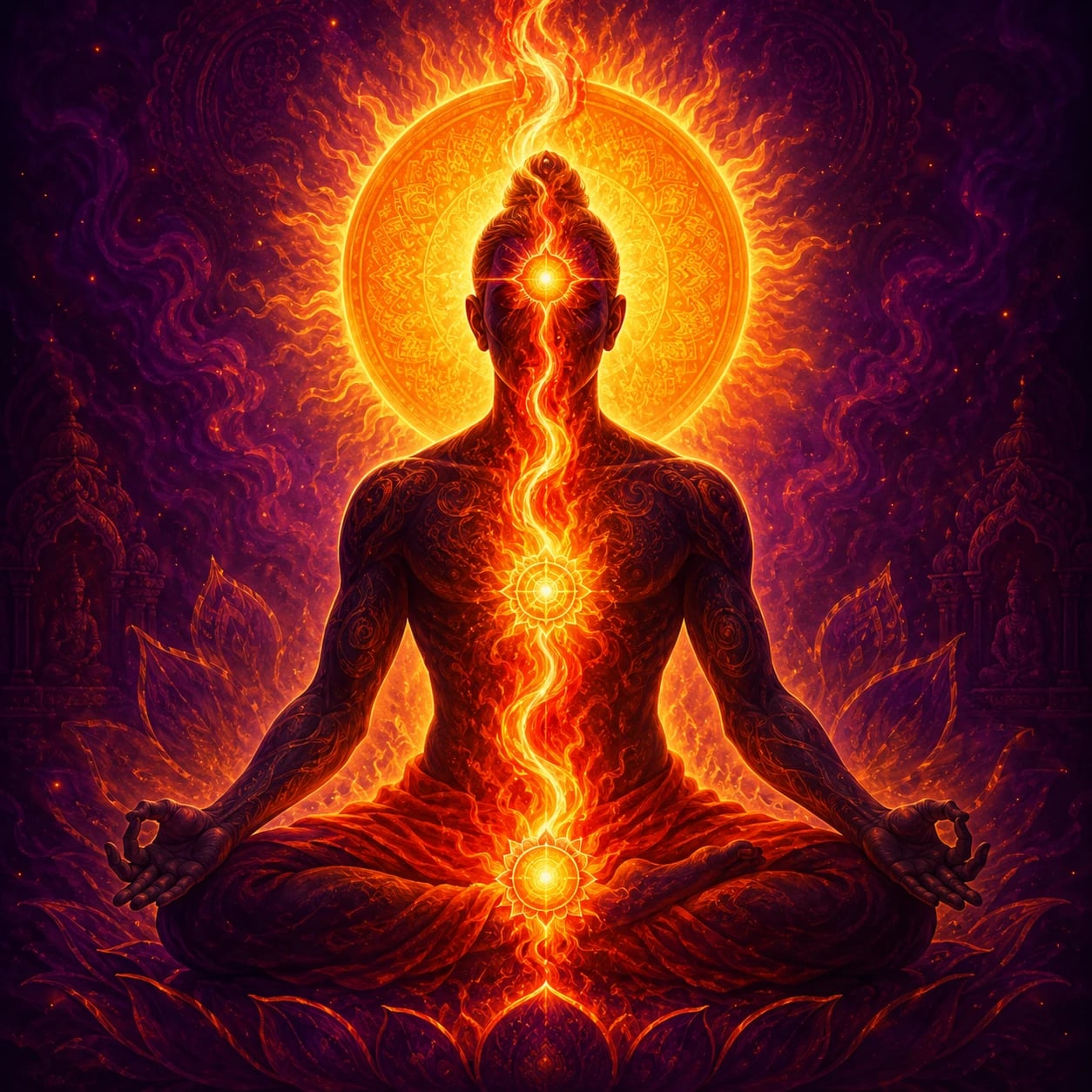
05Bhastrikā
Bellows Breath
Practitioners report intense warming, heightened alertness, and a particular kind of energetic charge that no other pranayama produces in the same way. The body feels alive and intensely awake. Done correctly under guidance, Bhastrika can produce profound shifts in energy. Done incorrectly or by practitioners for whom it is inappropriate, it can produce dizziness, headache, anxiety spikes, and cardiovascular stress.
06Foundation + ClassicalBhrāmarī
Bee Breath
Many practitioners report that Bhramari is the most immediately effective pranayama for anxiety they have ever encountered. Five rounds — three or four minutes of practice — typically produces a noticeable settling of the nervous system. The humming is felt physically as vibration through the bones of the face and skull, and the felt sense after the practice is consistently described as 'soft,' 'still,' or 'spacious.' It is the pranayama most often recommended by yoga therapists for insomnia, mild anxiety, and high blood pressure.
 07For Understanding · Teacher Required
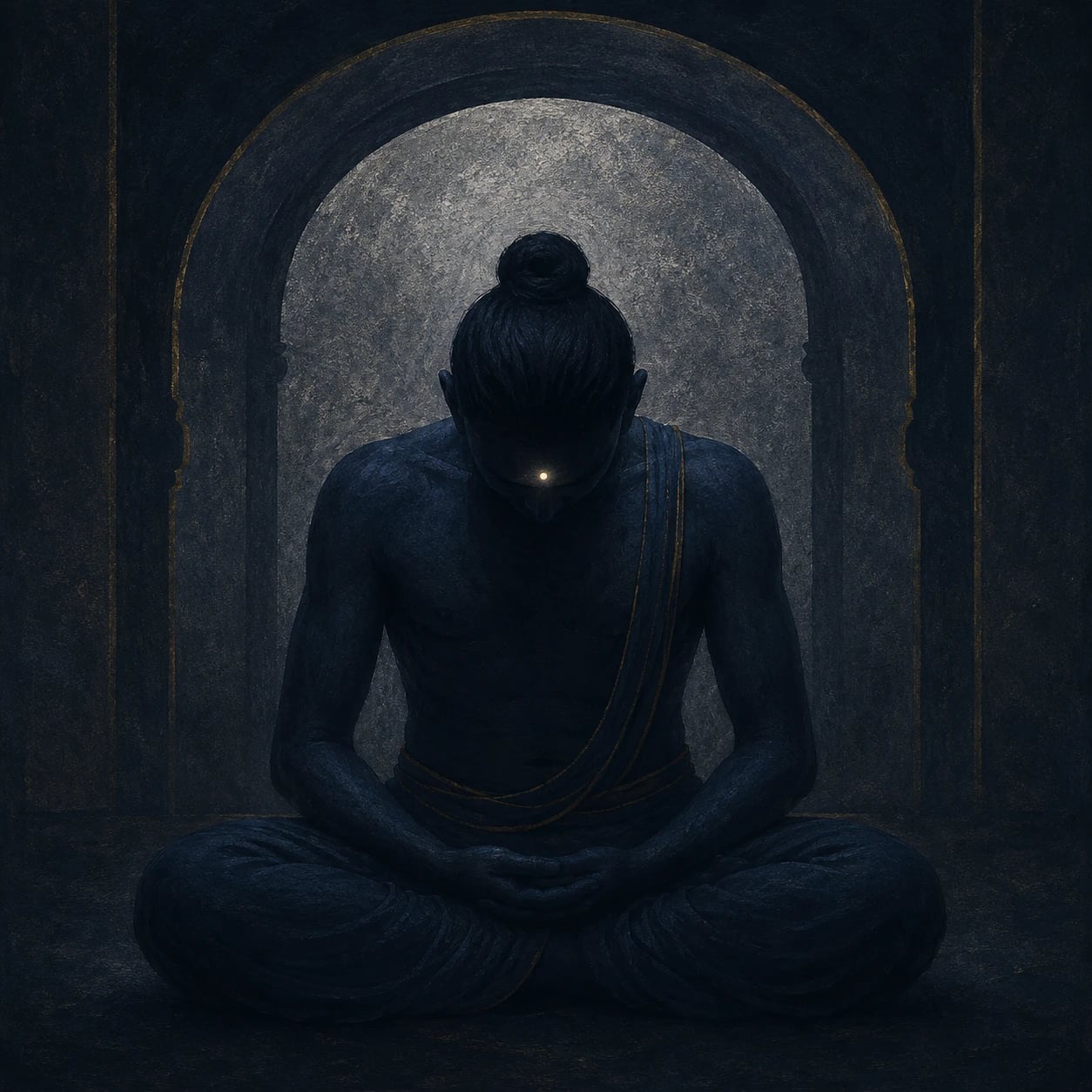
Mūrcchā
Swooning Breath
Presented for scholarly understanding. This practice requires qualified teacher transmission and is not offered as self-practice instruction.
 08For Understanding · Teacher Required
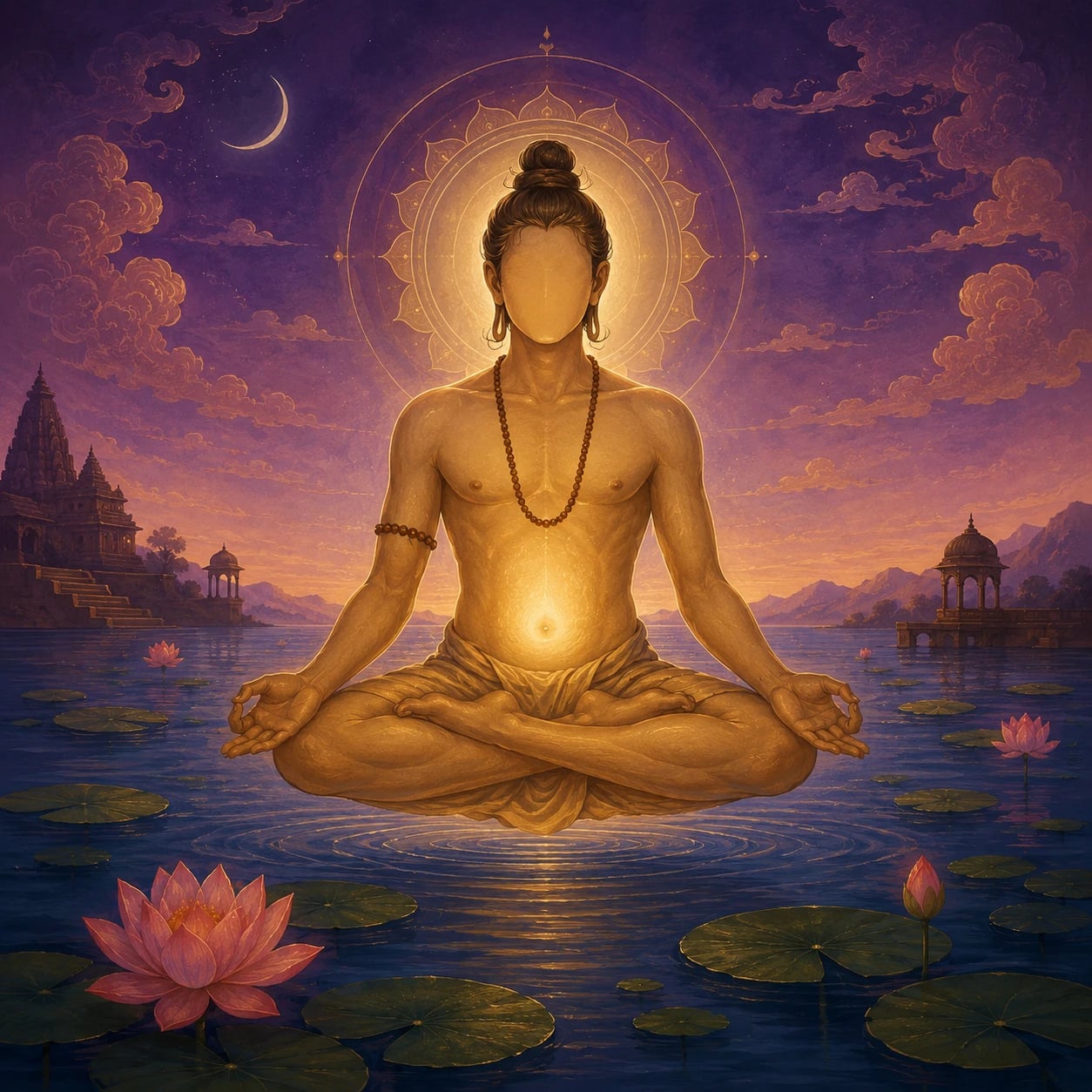
Plāvinī
Floating Breath
Presented for scholarly understanding. This practice requires qualified teacher transmission and is not offered as self-practice instruction.