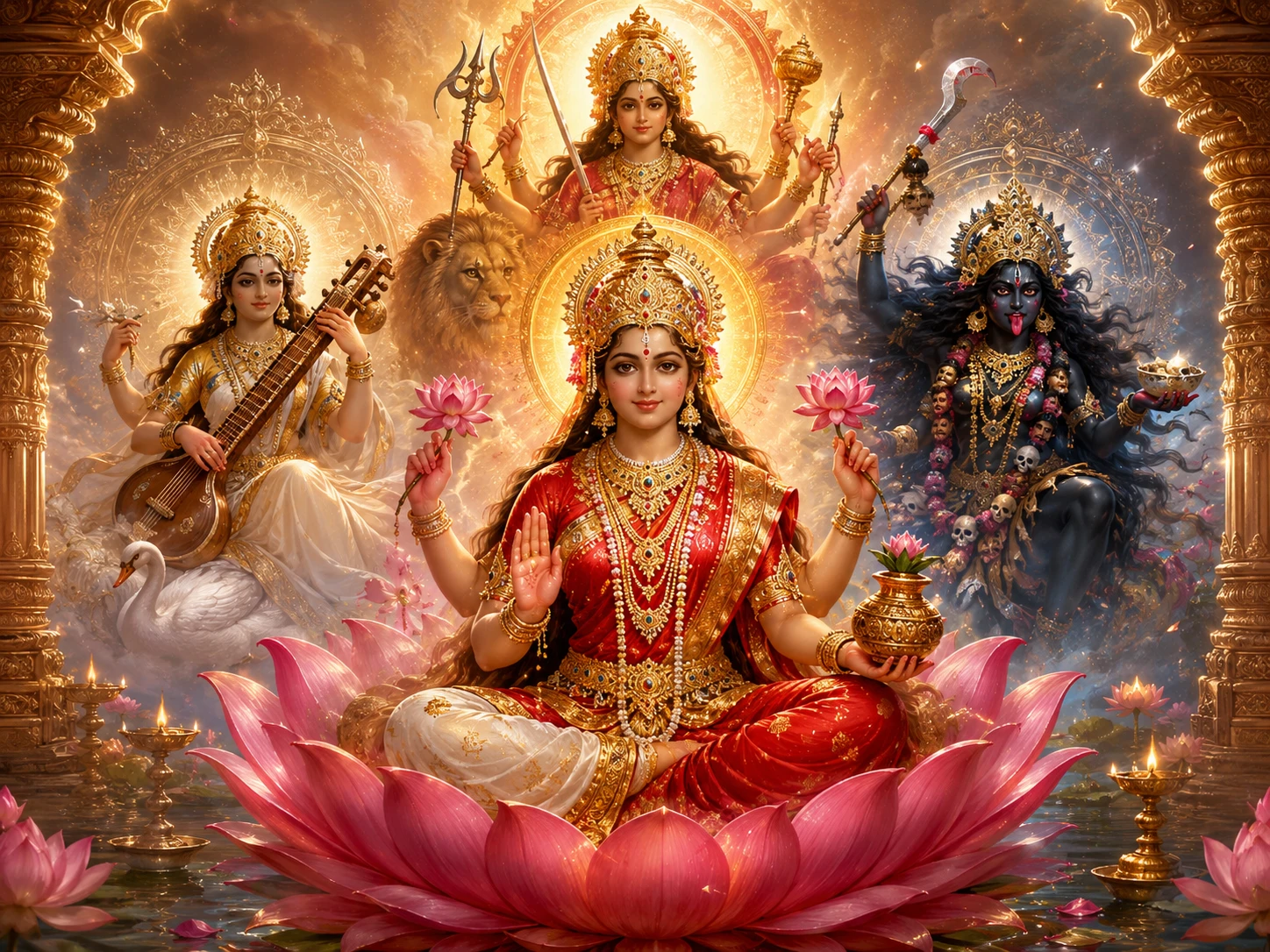
Devi Swaroopa -- Forms of the Goddess
देवी स्वरूप -- माँ के अनन्त रूप
किसी JNU या Ashoka University के first-year student से पूछो कि हिन्दू देवी कौन है, तो वो शायद 'दुर्गा' या 'लक्ष्मी' कहेगा -- जैसे देवी एक ही character हो जिसने अलग-अलग costume पहने हों। वाराणसी या कामाख्या की किसी दादी से पूछो, तो वो सवाल पर मुस्कुराएँगी। क्योंकि जीवन्त हिन्दू परम्परा में देवी कोई एक देवता नहीं -- वो एक पूरा दर्शन है।
देवी स्वरूप की अवधारणा अलग-अलग देवियों की कोई सूची नहीं जो भक्तों के लिए brands की तरह प्रतिस्पर्धा करें। यह एक गहन दार्शनिक ढाँचा है जिसमें एक अनन्त शक्ति अनेक रूपों में प्रकट होती है, हर रूप ब्रह्माण्डीय सत्य के एक विशिष्ट आयाम को व्यक्त करता है। दुर्गा काली का 'दूसरा संस्करण' नहीं। सरस्वती 'सफेद कपड़ों में लक्ष्मी' नहीं। हर रूप का अपना दर्शन है, अपना प्रतीक विज्ञान है, अपनी मन्त्र परम्परा है, और भक्त के साथ अपना अनूठा रिश्ता है।
यह आज इसलिए महत्वपूर्ण है क्योंकि देवी को एक generic 'देवी' में समतल करना -- चाहे वो अच्छी नीयत वाले नारीवादी करें जो एक सरल प्रतीक चाहते हैं या राजनीति जो एक rally figure चाहती है -- ठीक उसी जटिलता को छीन लेता है जो शाक्त दर्शन को विश्व के किसी भी धर्म में दिव्य स्त्री शक्ति की सबसे परिष्कृत अभिव्यक्ति बनाती है।
देवी स्वरूप को समझना यह समझना है कि दिव्य स्त्री शक्ति एक स्वर नहीं। वो एक राग है -- अनन्त विविधताओं के साथ, हर एक सुन्दर, हर एक आवश्यक, हर एक अपने-आप में पूर्ण।
अहमेव स्वयमिदं वदामि जुष्टं देवेभिरुत मानुषेभिः। यं कामये तं तमुग्रं कृणोमि तं ब्रह्माणं तमृषिं तं सुमेधाम्॥
aham eva svayam idaṁ vadāmi juṣṭaṁ devebhir uta mānuṣebhiḥ | yaṁ kāmaye taṁ tam ugraṁ kṛṇomi taṁ brahmāṇaṁ tam ṛṣiṁ taṁ sumedhām ||
मैं स्वयं ही यह कहती हूँ जो देवताओं और मनुष्यों दोनों को प्रिय है। जिसे मैं चाहूँ उसे उग्र बनाती हूँ, उसे ब्रह्मा बनाती हूँ, ऋषि बनाती हूँ, तीक्ष्ण बुद्धि वाला बनाती हूँ।
— Rigveda 10.125.5 (Devi Suktam / Vagambhrini Suktam)
तीन प्रमुख धाराएँ -- महासरस्वती, महालक्ष्मी, महाकाली
देवी माहात्म्य -- देवी उपासना का मूल ग्रन्थ -- देवी के अनन्त रूपों को तीन प्रमुख धाराओं में संगठित करता है, हर एक एक ब्रह्माण्डीय कार्य से और एक पुरुष देवता से जुड़ी जिसकी शक्ति वो मूर्त करती हैं, अतिक्रमण करती हैं, और अन्ततः अतिक्रान्त करती हैं।
महाकाली देवी माहात्म्य के प्रथम चरित (प्रकरण) की अधिष्ठात्री हैं। वो विलय की शक्ति हैं, वो बल जो मधु और कैटभ का संहार करती हैं विष्णु को उनकी योगनिद्रा से जगाकर। उनका क्षेत्र तमस है -- नैतिक अर्थ में 'अन्धकार' नहीं, बल्कि वो आदिम अवस्था जिसमें से सृष्टि उभरती है। वो पहली तूलिका से पहले का काला कैनवस हैं। उनके बिना कुछ आरम्भ नहीं हो सकता क्योंकि कुछ समाप्त ही नहीं हुआ है।
महालक्ष्मी द्वितीय चरित की अधिष्ठात्री हैं -- महिषासुर वध। वो पोषण की शक्ति हैं, वो रजस जो ब्रह्माण्डीय व्यवस्था बनाए रखता है। सिंह पर सवार दुर्गा, जो हर देवता से अस्त्र प्राप्त करती हैं, जो नौ रातों तक महिषासुर से युद्ध करती हैं -- यह योद्धा रूप में महालक्ष्मी हैं। वो विष्णु के पास बैठी कोमल संगिनी नहीं। वो सक्रिय, उग्र, स्वतन्त्र शक्ति हैं जो ब्रह्माण्ड की रक्षा करती हैं जब हर पुरुष देवता असफल हो चुका होता है।
महासरस्वती तृतीय चरित की अधिष्ठात्री हैं -- शुम्भ-निशुम्भ का पराभव। वो सृजन और ज्ञान की शक्ति हैं, वो सत्त्व जो प्रकाशित करता है। उनके युद्ध में देवी माहात्म्य का सबसे दार्शनिक रूप से क्रान्तिकारी क्षण आता है: जब शुम्भ उन पर आरोप लगाता है कि वो अन्य देवियों की सहायता से लड़ रही हैं, तो वो हर देवी को अपने भीतर समाहित कर लेती हैं और घोषणा करती हैं, 'इस संसार में मैं अकेली हूँ, मेरे अतिरिक्त कौन है?' यह अद्वैत है -- किसी दार्शनिक ने नहीं, बल्कि एक योद्धा देवी ने रणभूमि पर कहा।
ये तीन अलग-अलग देवियाँ नहीं हैं। ये एक शक्ति की तीन गतियाँ हैं -- विलय, पोषण, सृजन -- त्रिमूर्ति का दर्पण पर स्त्री को सक्रिय सिद्धान्त के केन्द्र में रखते हुए। शिव, विष्णु और ब्रह्मा स्थिर चेतना हैं। शक्ति वो गतिशील बल है जो कुछ भी घटित करवाता है।
नवदुर्गा -- नौ रातों में नौ रूप
दुर्गा धारा के भीतर सबसे व्यापक रूप से पूजित वर्गीकरण नवदुर्गा है -- नवरात्रि की नौ रातों में पूजित देवी के नौ रूप। ये बेतरतीब चयन नहीं हैं। ये देवी की यात्रा को मानचित्रित करते हैं -- मासूम कन्या से ब्रह्माण्डीय योद्धा से मुक्ति प्रदायिनी तक:
1. शैलपुत्री (पर्वत की पुत्री) -- पहली रात। वो पार्वती हैं, हिमवान की पुत्री के रूप में पुनर्जन्मी। शुद्ध सम्भावना। वो कन्या जो सब कुछ बनेगी।
2. ब्रह्मचारिणी (तपस्विनी) -- दूसरी रात। शिव को पति रूप में प्राप्त करने के लिए कठोर तपस्या। शक्ति से पहले अनुशासन।
3. चन्द्रघण्टा (चन्द्र-घण्टा) -- तीसरी रात। ललाट पर अर्धचन्द्र धारण किए युद्ध में सवार। करुणा और प्रचण्डता का विवाह।
4. कूष्माण्डा (ब्रह्माण्डीय मुस्कान) -- चौथी रात। उन्होंने अपनी दीप्तिमान मुस्कान से ब्रह्माण्ड रचा। Big Bang से पहले उनकी हँसी थी।
5. स्कन्दमाता (कार्तिकेय की माता) -- पाँचवीं रात। अपने योद्धा पुत्र को गोद में लिए कोमल माता। शक्ति जो पोषण करती है।
6. कात्यायनी (योद्धा कन्या) -- छठी रात। ऋषि कात्यायन के कुल में जन्मी, वो दुर्गा का सबसे उग्र रूप हैं। वो देवी जिनसे Mukherjee Nagar के UPSC aspirants Prelims से पहले प्रार्थना करते हैं -- चमत्कार के लिए नहीं, लड़ते रहने के उग्र संकल्प के लिए।
7. कालरात्रि (अन्धकारमयी रात्रि) -- सातवीं रात। सबसे भयावह रूप। काला वर्ण, बिखरे केश, विद्युत की माला। वो अज्ञान का ही संहार करती हैं।
8. महागौरी (श्वेत दीप्तिमयी) -- आठवीं रात। सारे युद्धों के बाद वो दीप्तिमान, शान्त, क्षमाशील बनती हैं। शक्ति जो अग्नि से गुज़री और शुद्ध निकली।
9. सिद्धिदात्री (सिद्धि प्रदायिनी) -- नौवीं रात। कमल पर विराजमान, अष्ट सिद्धियाँ प्रदान करती हैं। पराकाष्ठा -- विजय की नहीं, पूर्णता की।
यह नौ-रूपी यात्रा हर नवरात्रि में भारत भर के लाखों घरों और पण्डालों में दोहराई जाती है। अहमदाबाद में गरबा वृत्त हर रूप को विशिष्ट रंगों से सम्मान देते हैं। वाराणसी में हर रात एक अलग मन्दिर। कोलकाता में दशमी पर culmination इतना भावनात्मक होता है कि वो बंगाली भी जो स्वयं को 'नास्तिक' कहते हैं, विसर्जन के समय अपने आँसू नहीं रोक पाते। नवदुर्गा केवल धार्मिक श्रेणियाँ नहीं -- ये भावनात्मक अनुभव हैं।
नवदुर्गा -- एक नज़र में
| Night | Form | रूप | Vahana | Weapon / Symbol | Governing Quality |
|---|---|---|---|---|---|
| 1 | Shailaputri | शैलपुत्री | Nandi (Bull) | Trishul + Lotus | Innocence and potential |
| 2 | Brahmacharini | ब्रह्मचारिणी | Walking barefoot | Rudraksha mala + Kamandalu | Discipline and tapas |
| 3 | Chandraghanta | चन्द्रघण्टा | Tiger | Ten weapons in ten hands | Bravery and grace |
| 4 | Kushmanda | कूष्माण्डा | Tiger | Kamandalu + Japa mala | Cosmic creation |
| 5 | Skandamata | स्कन्दमाता | Lion | Baby Kartikeya on lap | Motherhood and nurture |
| 6 | Katyayani | कात्यायनी | Lion | Sword + Lotus | Fierce warrior resolve |
| 7 | Kalaratri | कालरात्रि | Donkey | Sword + Iron hook | Destruction of ignorance |
| 8 | Mahagauri | महागौरी | Bull | Trishul + Damaru | Purity after ordeal |
| 9 | Siddhidatri | सिद्धिदात्री | Lotus / Lion | Chakra + Shankha + Gada + Lotus | Completeness and perfection |
नवदुर्गा क्रम मुख्यतः शारदीय नवरात्रि (सितम्बर-अक्टूबर) से जुड़ा है। चैत्र नवरात्रि (मार्च-अप्रैल) में अनेक परम्पराओं में वही क्रम पालन होता है पर क्षेत्रीय भिन्नताओं के साथ। social media पर लोकप्रिय रंग-सम्बन्ध आधुनिक जोड़ हैं, किसी शास्त्रीय ग्रन्थ में विहित नहीं।
त्रिदेवी -- संगिनी रूप और स्वतन्त्र शक्ति
देवी माहात्म्य ढाँचे के बाहर सबसे व्यापक रूप से ज्ञात वर्गीकरण त्रिदेवी है -- ब्रह्मा, विष्णु और शिव की क्रमशः संगिनी के रूप में सरस्वती, लक्ष्मी और पार्वती। यह संगिनी ढाँचा धार्मिक रूप से सुविधाजनक है पर दार्शनिक रूप से भ्रामक अगर शाब्दिक रूप से लिया जाए।
सरस्वती केवल 'ब्रह्मा की पत्नी जिसे पुस्तकें पसन्द हैं' नहीं। वो वाक् हैं -- वो आदिम वाणी जिससे स्वयं वेद प्रकट हुए। ऋग्वेद का देवी सूक्तम् (10.125) वाक् को एक ऐसी शक्ति प्रस्तुत करता है जो हर पुरुष देवता से पूर्व और उनसे परे है। वो देवताओं को धारण करती है। वो सृष्टि को सहारा देती है। वो वह धागा है जिसके बिना ब्रह्माण्ड का पूरा ताना-बाना उधड़ जाएगा। जब कोटा का कोई JEE aspirant वसन्त पंचमी पर सरस्वती की तस्वीर के सामने कलम रखता है, वो -- जाने-अनजाने -- भारत के किसी भी मन्दिर से पुरानी एक वैदिक शक्ति का आह्वान कर रहा होता है।
लक्ष्मी की लोकप्रिय छवि दिवाली पर आने वाली धन की देवी के रूप में उनकी ब्रह्माण्डीय भूमिका को बहुत कम आँकती है। विष्णु पुराण में वो श्री हैं -- समस्त अस्तित्व में अन्तर्निहित दीप्ति और सौन्दर्य। वो विष्णु पर निर्भर नहीं; उन्होंने विष्णु को चुना। समुद्र मन्थन की कथा यह स्पष्ट करती है: जब लक्ष्मी सागर से प्रकट हुईं, वो किसी भी देव या दानव को चुन सकती थीं। उन्होंने स्वेच्छा से विष्णु को चुना। वो योग्य के साथ चलती हैं और अयोग्य को छोड़ देती हैं उसकी शक्ति की परवाह किए बिना -- जैसा रावण ने शिव-भक्ति के बावजूद जाना।
त्रिदेवी में पार्वती कथात्मक रूप से सबसे जटिल हैं। वो सती का पुनर्जन्म हैं, पूर्वजन्म के आघात और ज्ञान को वहन करती हुई। वो वह कन्या हैं जिन्होंने इतनी तीव्र तपस्या की कि स्वयं शिव उन्हें अनदेखा न कर सके। वो वह पत्नी हैं जिन्होंने शिव के संन्यास को चुनौती दी और उन्हें गृहस्थ जीवन में खींचा। वो गणेश और कार्तिकेय की माता हैं। और वो वह शक्ति हैं जिनके बिना शिव शव हैं -- वो प्रसिद्ध उक्ति जो समस्त शाक्त दर्शन का आधार है। कोलकाता में कालीघाट में, गुवाहाटी में कामाख्या में, जम्मू में वैष्णो देवी में -- जहाँ भी देवी की पूजा किसी की संगिनी के बजाय प्राथमिक देवता के रूप में होती है, तुम पार्वती के दार्शनिक भूभाग में हो।
उग्र आयाम -- काली, छिन्नमस्ता, धूमावती, और महाविद्याएँ
भयावह की उपासना करने की हिन्दू धर्म की इच्छा शायद उसका सबसे बड़ा दार्शनिक योगदान है। जहाँ अन्य धर्म दिव्य को केवल करुणा में sanitise करते हैं, शाक्त परम्परा आग्रह करती है कि सत्य कभी-कभी भयावह होता है -- और वो भय, जब सीधे सामना किया जाए, मुक्तिदायक बन जाता है।
काली इस उग्र आयाम के केन्द्र में खड़ी हैं। काला वर्ण, बिखरे केश, कटे मुण्डों की माला और कटी भुजाओं की कमर-वस्त्र, जिह्वा बाहर, शिव के शव पर खड़ी -- उनके प्रतीक विज्ञान की हर चीज़ उस पारम्परिक धारणा का उल्लंघन करती है कि 'देवी' कैसी दिखनी चाहिए। और ठीक यही बात है। काली वो सत्य हैं जो हर सुविधाजनक भ्रम को चकनाचूर करता है। वो काल का स्त्री रूप हैं, वो बल जो सब कुछ निगल लेता है, स्वयं को भी। उनकी उपासना उनके भयावह रूप के बावजूद नहीं होती। उनके भयावह रूप के कारण होती है।
काली से आगे, दश महाविद्या (दस ज्ञान देवियाँ) स्त्री दिव्यता के ऐसे आयामों की खोज करती हैं जिन्हें अधिकांश धर्म स्वीकार करने का साहस नहीं करेंगे: छिन्नमस्ता अपना ही कटा मुण्ड धारण करती हैं, अपना ही रक्त पीती हुई -- आत्म-बलिदान और अहंकार के योगिक छेदन का प्रतीक। धूमावती एक वृद्ध विधवा हैं, निर्धन और कुरूप -- अशुभ की देवी, भक्तों को याद दिलाती हुई कि दिव्य दुर्भाग्य में भी उपस्थित है। बगलामुखी शत्रुओं की जिह्वा पकड़कर उन्हें स्तब्ध करती हैं -- असत्य को मौन करने की शक्ति।
ये सुविधाजनक देवताएँ नहीं हैं। ये कभी ऐसी होने के लिए बनी ही नहीं थीं। ये इसलिए हैं क्योंकि हिन्दू दर्शन में देवी सम्पूर्ण वास्तविकता को समाहित करती हैं -- केवल सुखद भागों को नहीं। कोरमंगला की एक startup founder जिसने अभी-अभी अपनी कम्पनी को ध्वस्त होते देखा, वृन्दावन की एक विधवा जिसे समाज ने त्यागा, AIIMS का एक कैंसर रोगी जिसने हर चिकित्सा विकल्प समाप्त कर दिया -- शाक्त दर्शन कहता है देवी उन क्षणों में भी उपस्थित हैं, सान्त्वना के रूप में नहीं बल्कि उस अनुभव के ताने-बाने के रूप में।
या देवी सर्वभूतेषु शक्तिरूपेण संस्थिता। नमस्तस्यै नमस्तस्यै नमस्तस्यै नमो नमः॥
yā devī sarvabhūteṣu śaktirūpeṇa saṁsthitā | namastasyai namastasyai namastasyai namo namaḥ ||
जो देवी सभी प्राणियों में शक्ति के रूप में स्थित हैं -- उन्हें नमस्कार, उन्हें नमस्कार, उन्हें बारम्बार नमस्कार।
— Devi Mahatmya (Markandeya Purana), Chapter 5, Aparajita Stuti
क्षेत्रीय देवियाँ -- जहाँ अखिल-हिन्दू और स्थानीय मिलते हैं
भारत में देवी पूजा का सबसे सुन्दर पहलू यह है कि अखिल-हिन्दू दर्शन स्थानीय परम्पराओं के साथ कैसे निर्बाध रूप से घुल-मिल जाता है।
मदुरै की मीनाक्षी तकनीकी रूप से पार्वती हैं, पर किसी तमिल भक्त से पूछो तो वो कहेगा वो पहले मीनाक्षी हैं -- मदुरै की मीन-नयनी रानी जिन्होंने सुन्दरेश्वर (शिव) को अपने पति के रूप में चुना, उल्टा नहीं। मीनाक्षी अम्मन मन्दिर भारत के उन गिने-चुने प्रमुख मन्दिरों में है जहाँ देवी का गर्भगृह प्राथमिक है और पुरुष देवता का गर्भगृह गौण।
गुवाहाटी की कामाख्या सबसे शक्तिशाली शक्ति पीठों में है -- जहाँ सती की योनि (गर्भ) गिरी मानी जाती है। मन्दिर में कोई पारम्परिक मूर्ति नहीं; उपासना एक प्राकृतिक शिला-दरार पर केन्द्रित है जो जल से भरती है, स्त्री की सृजनात्मक शक्ति का प्रतीक। वार्षिक अम्बुबाची उत्सव के दौरान मन्दिर तीन दिन बन्द रहता है देवी के मासिक चक्र के सम्मान में -- स्त्री जीव विज्ञान को पवित्र मानने का प्रत्यक्ष, निर्भीक उत्सव।
कर्नाटक की येल्लम्मा, महाराष्ट्र की रेणुका, बंगाल की मनसा, तमिलनाडु की मारियम्मन, मैसूर की चामुण्डेश्वरी -- हर एक वही अनन्त शक्ति है जो अपने क्षेत्र के विशिष्ट भूदृश्य, भाषा और संस्कृति के माध्यम से स्वयं को व्यक्त कर रही है। जब चेन्नई का एक auto-driver दिन शुरू करने से पहले अपने वाहन के मारियम्मन sticker पर नींबू माला चढ़ाता है, वो वही धार्मिक कृत्य कर रहा होता है जो कामरूप का एक तांत्रिक साधक महाविद्या पूजा करते हुए। पैमाना अलग है। शक्ति एक ही है।
यही देवी स्वरूप की प्रतिभा है -- यह एक साथ एक कठोर दार्शनिक प्रणाली भी है और एक जीवित, साँस लेती, प्रतिदिन की वास्तविकता भी जो उपमहाद्वीप के हर कोने में ढल जाती है अपने मूल सत्य को खोए बिना: कि दिव्य स्त्री शक्ति ईश्वर का एक पहलू नहीं, बल्कि स्वयं ईश्वर है।
भारत की सबसे शक्तिशाली सतह-से-हवा प्रक्षेपास्त्र प्रणाली का नाम 'आकाश' है, पर जो missile भारत की सीमाओं की सबसे tactical स्तर पर रक्षा करती है वो 'त्रिशूल' है -- दुर्गा का त्रिशूल। भारतीय नौसेना के stealth destroyer INS कोलकाता का प्रतीक चिह्न त्रिशूल है। और DRDO का anti-tank missile 'नाग' है -- मनसा देवी से जुड़ा सर्प। जब भारत अपने अस्त्रों का नाम देवी के शस्त्रागार पर रखता है, वो हज़ारों वर्ष पुरानी परम्परा जारी रख रहा है: रक्षा के लिए शक्ति का आह्वान।
देवी स्वरूप आज क्यों महत्वपूर्ण है
एक ऐसे संसार में जहाँ दिव्य स्त्री शक्ति पर बातचीत तात्कालिक बन गई है -- MeToo आन्दोलन से corporate boardroom विविधता से पितृसत्तात्मक ढाँचों के वैश्विक पुनर्मूल्यांकन तक -- हिन्दू देवी दर्शन कुछ ऐसा प्रदान करता है जो अधिकांश अन्य धार्मिक परम्पराएँ नहीं कर सकतीं: एक पूर्ण विकसित, दार्शनिक रूप से कठोर, व्यावहारिक रूप से मूर्त ढाँचा जिसमें स्त्री पुरुष की पूरक नहीं बल्कि प्राथमिक सत्ता है।
इसका अर्थ यह दावा करना नहीं कि भारत स्त्रियों के साथ अच्छा व्यवहार करता है क्योंकि वो देवियों की पूजा करता है -- वो एक बेईमान तर्क होगा और स्पष्ट रूप से असत्य। पर यह कहना है कि हिन्दू बौद्धिक परम्परा के भीतर स्त्री शक्ति की एक ऐसी दृष्टि के संसाधन मौजूद हैं जो व्युत्पन्न नहीं है, गौण नहीं है, और पुरुष की मान्यता पर निर्भर नहीं है। देवी को ईश्वर होने के लिए शिव की अनुमति की आवश्यकता नहीं। वो ईश्वर हैं -- और शिव उनका आधार हैं।
उस युवा भारतीय स्त्री के लिए जो एक ऐसे संसार में navigate कर रही है जो लगातार उसे नरम, शान्त, छोटा होने को कहता है -- देवी स्वरूप एक दर्पण प्रदान करता है जो उसकी वास्तविकता के हर पहलू को प्रतिबिम्बित करता है। महत्वाकांक्षी? तुम दुर्गा हो। पोषणकारी? तुम अन्नपूर्णा हो। अन्याय पर क्रुद्ध? तुम काली हो। ज्ञान की खोज में? तुम सरस्वती हो। हानि का शोक? तुम धूमावती हो। और तुम एक साथ ये सब हो, क्योंकि शक्ति खण्डित नहीं होती। गुणित होती है।
यही वो बात है जो देवी सूक्तम् हिन्दू परम्परा के सबसे प्राचीन जीवित ग्रन्थ में घोषित करता है: 'मैं रुद्रों के साथ चलती हूँ, वसुओं के साथ, आदित्यों के साथ और विश्वदेवों के साथ। मैं मित्र और वरुण दोनों को, इन्द्र और अग्नि दोनों को, और दोनों अश्विनों को ऊपर धारण करती हूँ।' वो सबको धारण करती हैं। कोई उन्हें नहीं धारण करता।
देवी का आह्वान करें -- अपनी देवी साधना आरम्भ करें
नवार्ण मन्त्र, ॐ ऐं ह्रीं क्लीं चामुण्डायै विच्चे, से आरम्भ करो, माला पर 108 बार -- सम्पूर्ण देवी माहात्म्य का नौ अक्षरों वाला बीज। एटर्नल राग के मन्त्र-ध्यान पुस्तकालय में देवी के और जप-मन्त्र जप-विधि सहित हैं।
Eternal Raga · शाश्वत राग
Institutional voice — scholarly articles on Sanatan Dharma
अपनी समझ गहरी करें
अपनी समझ और गहरी करें
scriptural exegesis
Devi Mahatmya -- The Three Charitas That Changed How India Worships the Feminine
700 verses. 13 chapters. Three battles. One thesis: when every god in the universe has failed, a woman finishes the job. The Devi Mahatmya from the Markandeya Purana is not just a scripture -- it is the founding document of Shakta theology and the reason 300 million people celebrate Navaratri.
rituals traditions
Navratri -- Nine Nights That Transform India
For nine nights, India becomes a different country. In Gujarat, millions dance garba till dawn. In Bengal, the streets turn into open-air art galleries. In Varanasi, nine temples light up in sequence. In Mysore, the palace blazes with 100,000 bulbs. Navratri is not a single festival -- it is nine nights of goddess worship that unite India's most diverse traditions into one cosmic celebration.
deities avatars
Kali -- The Fierce Mother Who Devours Time Itself
Black-skinned, wild-haired, wearing a garland of fifty severed heads and a skirt of severed arms, standing on Shiva's chest with her tongue extended in shock -- Kali is the most misunderstood deity in Hinduism and the most theologically radical. She is not a demon. She is not 'dark energy.' She is Time in feminine form, the cosmic mother who destroys everything so that everything can be reborn. Ramakrishna called her 'Ma.' Millions still do.
tantra mantra yantra
Dasha Mahavidya -- Ten Wisdom Goddesses Who Map the Entire Universe
One holds her own severed head. Another is an ugly old widow. A third paralyses enemies by seizing their tongues. The Dasha Mahavidya are not comfortable goddesses. They are the ten dimensions of reality that most religions are too afraid to acknowledge -- from transcendent beauty to terrifying destruction, from cosmic abundance to abject poverty. Together, they form the most complete map of feminine divinity ever conceived.
philosophy darshana
Shakta Philosophy -- Devi as Ultimate Reality
What if God is not He but She? Not an abstract principle but a living, breathing, dancing power? Shakta philosophy does not merely add a feminine dimension to Hindu theology. It inverts the entire structure: Shakti is the primary reality, and consciousness without her is inert. Shiva without Shakti is shava -- a corpse. This is not metaphor. This is metaphysics.
rituals traditions
Durga Puja -- The Ritual System Behind the World's Largest Art Festival
Behind the spectacular pandals and the Instagram-worthy lighting lies a ritual system of extraordinary precision. From the moment the sculptor draws the first line on Mahalaya to the heartbreaking immersion on Dashami, every step of Durga Puja follows a choreography that is part Vedic ritual, part Tantric sadhana, and part Bengali genius. UNESCO recognised it in 2021. Here is what they recognised.
tantra mantra yantra
Sri Yantra -- The Supreme Geometry of Creation
Nine interlocking triangles. 43 smaller triangles. A single point from which the entire universe unfolds. The Sri Yantra is the most complex and revered sacred diagram in Hinduism -- and modern mathematicians have found that constructing it requires solving simultaneous equations that Western mathematics did not formalise until the 18th century. This is not decoration. This is the visual body of the Goddess.
भारत की सबसे शक्तिशाली सतह-से-हवा प्रक्षेपास्त्र प्रणाली का नाम 'आकाश' है, पर जो missile भारत की सीमाओं की सबसे tactical स्तर पर रक्षा करती है वो 'त्रिशूल' है -- दुर्गा का त्रिशूल। भारतीय नौसेना के stealth destroyer INS …
More in Deities & Avatars
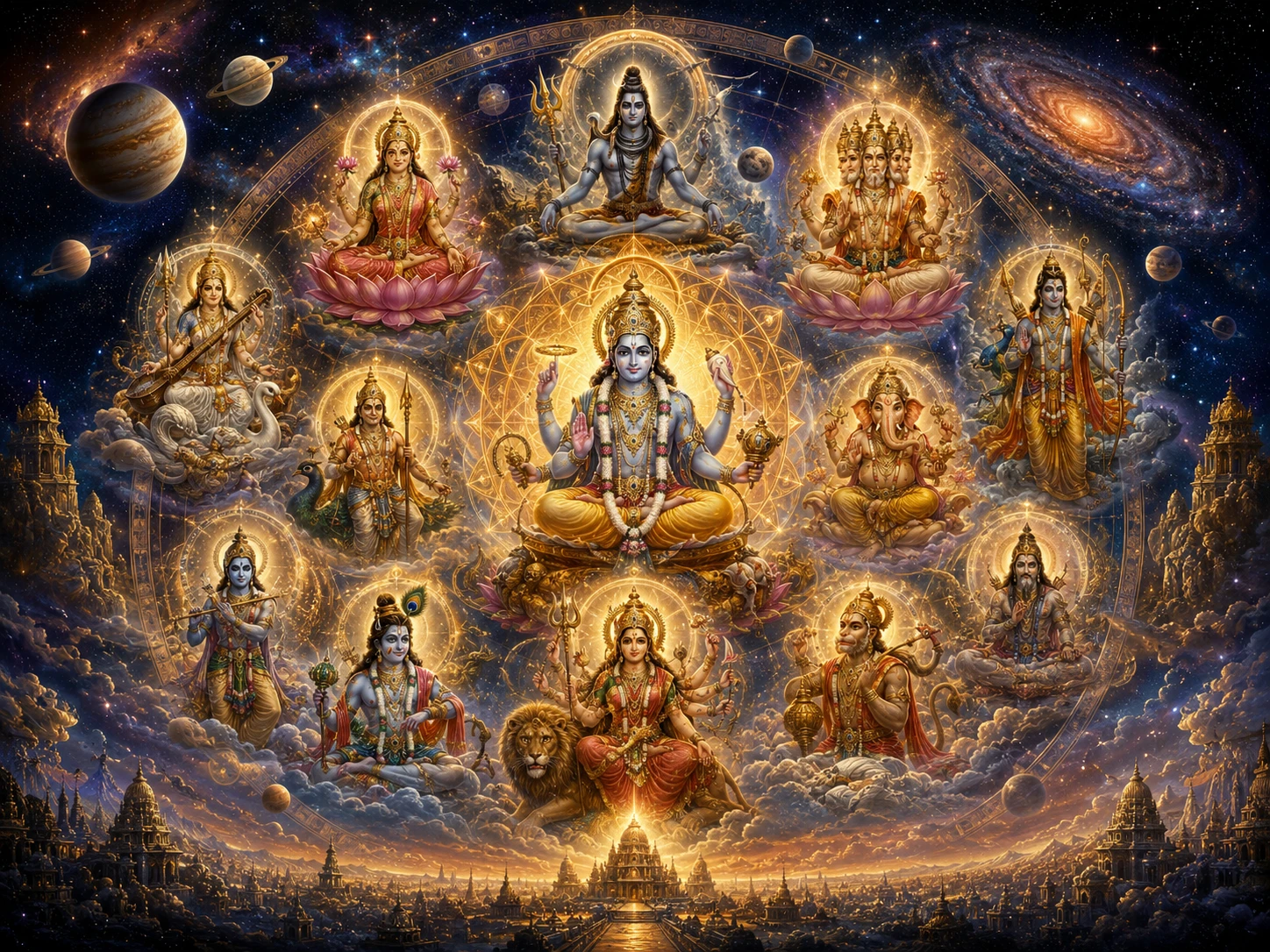
33 Koti Devata -- Why Hinduism Has 33 Types of Gods, Not 33 Crore
13 मिनट पढ़ें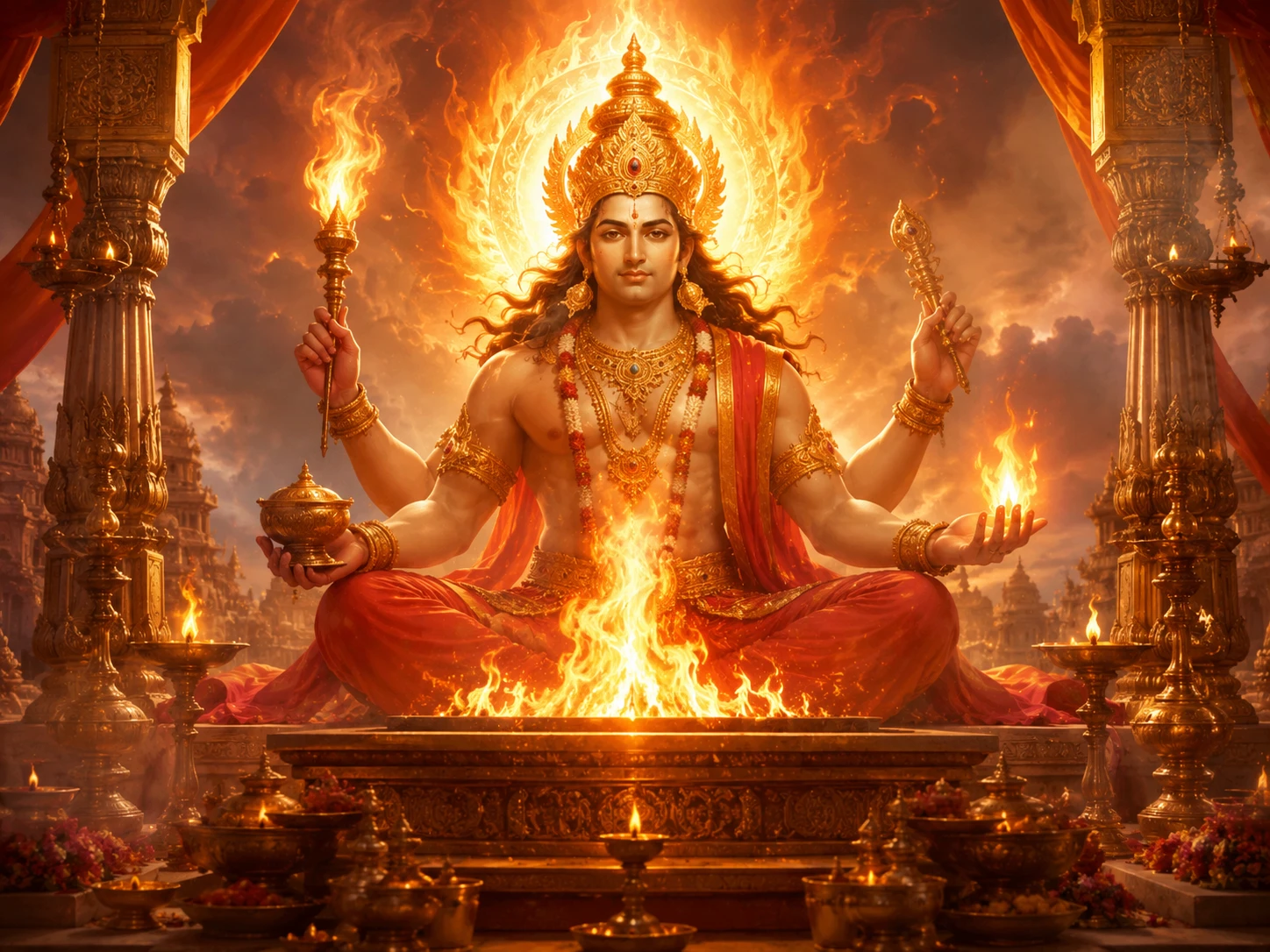
Agni -- The Fire God
19 मिनट पढ़ें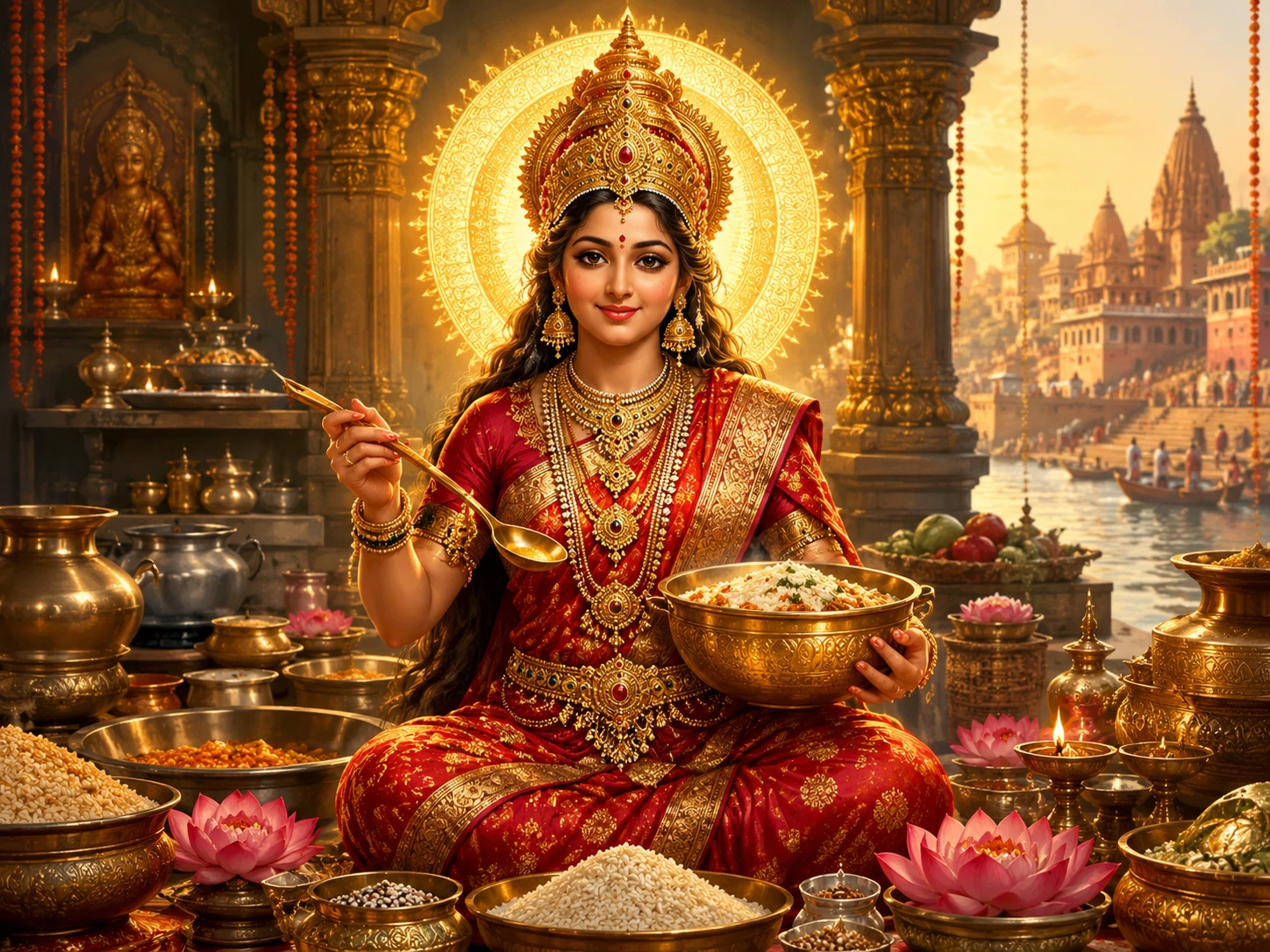
Annapurna -- Goddess of Food
19 मिनट पढ़ेंवही अनुवाद त्रुटि जिसने हिन्दू धर्म में '33 कोटि' को '33 करोड़' बनाया, बौद्ध धर्म में भी हुई। बौद्ध ग्रन्थों के चीनी अनुवाद ने 'सप्त कोटि बुद्ध' (7 श्रेष्ठ बुद्ध) का अनुवाद '7 करोड़ बुद्ध' कर दिया। तिब्बती अनुवाद ने सही …
Deities AvatarsCommunity Reflections
🕉️
Be the first to share your reflection.