Eternal Mantra शाश्वत मंत्र

Explore our collection of sacred chants, hymns, and prayers

A mantra is sacred sound shaped into words, chanted to steady the mind and turn the heart toward the divine. This library brings together the living devotional repertoire of Sanatana Dharma: chalisas and aartis sung at home and in temples, dense stotrams and ashtakams composed by saints and acharyas, protective kavachas, Vedic suktams, the thousand-name sahasranamas, and single-syllable beej and japa mantras for daily practice. Each text is presented with its Devanagari original, transliteration, and a faithful meaning in English and Hindi, so a first-time chanter and a lifelong devotee can both find their footing. Browse by the kind of chant you want, or by the deity you wish to invoke.

Click any pill to filter & learn what it means

Browse by Intention · संकल्प

Beej Mantras · बीज मंत्र— Sacred Seed Syllables

The most concentrated form of divine sound energy

Jap Mantras · जप मंत्र— Mantras for 108 Repetition

Short powerful mantras chanted with a mala for deep meditation

🕉

Stotrams · स्तोत्र

69
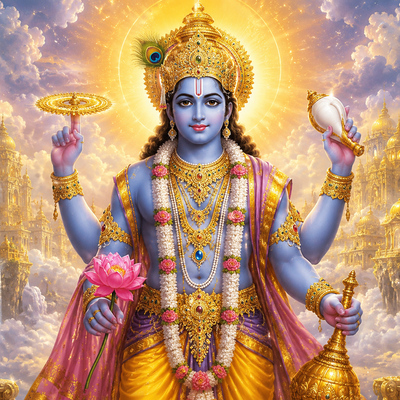
Vishnu_krishna

Achyutam Keshavam

अच्युतं केशवं

StotramVishnu_krishna~6 min

Achyutam Keshavam — a beloved devotional stotra to Lord Krishna-Vishnu, chanting his sweet names (Achyuta, Keshava, Rama, Narayana). Sung for peace, surrender, and loving devotion.

Annapurna

Annapurna Stotram

अन्नपूर्णा स्तोत्रम्

StotramAnnapurna~8 min

Annapurna Stotram — Adi Shankaracharya’s hymn to Maa Annapurna, the Goddess of food and nourishment, praising the Mother who feeds all beings. Recited for abundance and gratitude.

Shiva

Ardhanarishwara Stotram

अर्धनारीश्वर स्तोत्रम्

StotramShiva~7 min

The Ardhanarishwara Stotram is a devotional hymn composed by Adi Shankaracharya celebrating the Ardhanarishwara form of Lord Shiva — the cosmic being who is half male (Shiva) and half female (Parvati/Shakti). This form symbolizes the inseparable union of masculine and feminine principles, the unity of Purusha and Prakriti, and the non-dual nature of the divine. The stotram has 11 verses, each ending with the refrain praising this supreme androgynous form.

Devi

Argala Stotram

अर्गला स्तोत्रम्

StotramDevi~9 min

Argala Stotram — a key hymn recited with the Durga Saptashati (Devi Mahatmya), invoking the Goddess for boons, victory, health, wealth, and the removal of obstacles.

Hanuman

Bajrang Baan

बजरंग बाण

StotramHanuman~18 min

Bajrang Baan — a fierce, fast-acting invocation of Lord Hanuman for urgent protection, courage, and freedom from enemies, fear, and negative forces. Recited with devotion and discipline.

Krishna_govinda

Bhaja Govindam

भज गोविन्दम्

StotramKrishna_govinda~6 min

Bhaja Govindam — Adi Shankaracharya’s stirring hymn (“Moha Mudgara”) on the futility of material attachment and the urgency of devotion to Govinda. A timeless call to wisdom and detachment.

Hridayams · हृदयम्

15

Ashtakams · अष्टकम्

92
Krishna

Achyutashtakam

अच्युताष्टकम्

AshtakamKrishna~5 min

Eight-verse hymn to Achyuta (the infallible one), a name of Krishna/Vishnu. Each verse invokes Achyuta, Ananta (infinite), and Govinda in a beautiful devotional refrain.

Aditya

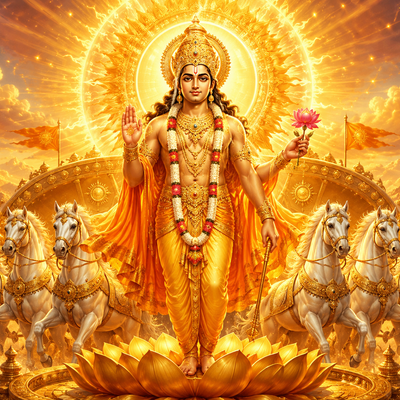
Aditya Ashtakam

आदित्य अष्टकम्

AshtakamAditya~6 min

The Aditya Ashtakam is an eight-verse devotional hymn praising Surya Deva as Aditya, Bhaskara, giver of life, health, discipline, light, time, courage, and spiritual illumination.

Kali

Adya Stotram

आद्याष्टकम्

AshtakamKali~5 min

Eight-verse hymn to Adya, the primordial Goddess Kali of Kalighat, Kolkata. The oldest form of Kali worship in Bengal, associated with the devotion of Ramakrishna Paramahamsa.

Devi

Annapurna Ashtakam

अन्नपूर्णाष्टकम्

AshtakamDevi~5 min

Eight-verse hymn to Goddess Annapurna, the divine mother of food and nourishment. Composed by Shankaracharya who begged alms at her doorstep in Kashi, celebrating her as the giver of all sustenance.

Shiva

Ardhanarishwara Ashtakam

अर्धनारीश्वर अष्टकम्

AshtakamShiva~6 min

Nine-verse hymn to Ardhanarishwara, the divine androgynous form of Shiva-Shakti united. Celebrates the union of masculine and feminine cosmic principles as inseparable.

Bagalamukhi

Bagalamukhi Ashtakam

बगलामुखी अष्टकम्

AshtakamBagalamukhi~6 min

The Bagalamukhi Ashtakam is an eight-verse devotional hymn praising Maa Bagalamukhi, the Pitambara Mahavidya associated with protection, stilling harmful speech, conflict control, disciplined words, victory, and mental steadiness.

🪔

Chalisas · चालीसा

54
Annapurna

Annapurna Chalisa

अन्नपूर्णा चालीसा

ChalisaAnnapurna~26 min

The Annapurna Chalisa is a forty-verse devotional hymn to Goddess Annapurna, the divine mother of food and nourishment, worshipped as the Queen of Kashi (Varanasi). Her name comes from anna (food) and purna (full, complete), signifying she who is overflowing with nourishment. The chalisa narrates the full arc of her divine appearance — from her birth as Sati, her sacrifice at Daksha's yajna, her rebirth as Parvati daughter of Himavan, her tapasya to win Shiva back as husband, and finally her establishment at Kashi as Annapurna, the one who feeds even Shiva himself. Devotees recite this chalisa to invoke her blessings for food security, prosperity in the home, and the inner abundance that comes from knowing no devotee of hers will ever go hungry.

Ayyappa

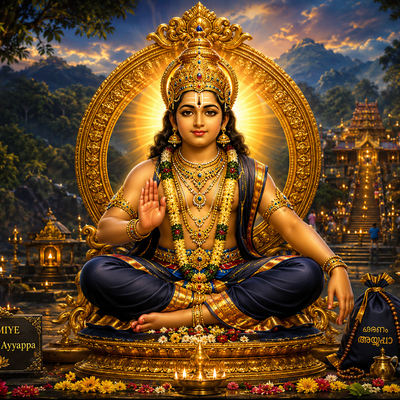
Ayyappa Chalisa

अय्यप्पा चालीसा

ChalisaAyyappa~26 min

The Ayyappa Chalisa is a devotional hymn dedicated to Lord Ayyappa, also known as Manikanta, Hariharaputra, Dharma Shasta, and the Lord of Sabarimala. This structured version contains 2 opening dohas, 40 chaupais, and 1 closing doha, praising his divine origin, discipline, victory over Mahishi, Sabarimala pilgrimage, protection of devotees, and the sacred remembrance of 'Swamiye Sharanam Ayyappa'.

Bagalamukhi

Bagalamukhi Chalisa

बगलामुखी चालीसा

ChalisaBagalamukhi~26 min

The Bagalamukhi Chalisa is a devotional hymn dedicated to Maa Bagalamukhi, the Pitambara Mahavidya associated with protective stillness, disciplined speech, victory over harmful forces, and the power to stop negativity. This structured version contains 1 opening doha, 40 chaupais, and 1 closing doha, totaling 42 verses.

Bhairav

Bhairav Chalisa

भैरव चालीसा

ChalisaBhairav~26 min

The Bhairav Chalisa is a devotional hymn dedicated to Shri Bhairav Nath, especially Kaal Bhairav and Batuk Bhairav, revered as fierce protective forms of Lord Shiva and as the Kotwal of Kashi. This structured version contains 2 opening dohas, 40 chaupais, and 1 closing doha, totaling 43 verses.

Bhairavi

Bhairavi Chalisa

भैरवी चालीसा

ChalisaBhairavi~26 min

The Bhairavi Chalisa is a devotional hymn dedicated to Maa Tripura Bhairavi, one of the ten Mahavidyas, revered as the fierce fire of tapas, discipline, courage, purification, and transformative Shakti. This structured version contains 1 opening doha, 40 chaupais, and 1 closing doha, totaling 42 verses.

Bhuvaneshwari

Bhuvaneshwari Chalisa

भुवनेश्वरी चालीसा

ChalisaBhuvaneshwari~26 min

The Bhuvaneshwari Chalisa is a devotional hymn dedicated to Maa Bhuvaneshwari, one of the ten Mahavidyas, revered as Queen of the worlds, the spacious Mother of creation, and the cosmic power that contains, nourishes, and governs the universe. This structured version contains 1 opening doha, 40 chaupais, and 1 closing doha, totaling 42 verses.

📿

Suktams · सूक्तम्

41
Aditya_surya

Aditya Suktam

आदित्य सूक्तम्

SuktamAditya_surya~4 min

Aditya Suktam — the Vedic hymn to Aditya, the Sun God, source of light, health, and life. Chanted at sunrise for vitality, energy, wellbeing, and the strengthening of the Sun.

Purification_cosmic_order

Aghamarshana Suktam

अघमर्षण सूक्तम्

SuktamPurification_cosmic_order~4 min

Aghamarshana Suktam — a Vedic hymn of purification that dissolves sins (agha) and restores cosmic order (rta). Chanted during sandhya and ablution for inner and outer cleansing.

Agni

Agni Suktam

अग्नि सूक्तम्

SuktamAgni~4 min

Agni Suktam — the opening hymn of the Rigveda to Agni, the sacred fire and messenger between humans and gods. Chanted for purity, energy, and the success of every offering.

Apah_water_element

Apah Suktam

आपः सूक्तम्

SuktamApah_water_element~4 min

Apah Suktam — a Vedic hymn to the Waters (Apah), source of life, purity, and healing. Chanted for purification, health, and the cleansing, life-giving grace of water.

Ayushya_health_long_life

Ayushya Suktam

आयुष्य सूक्तम्

SuktamAyushya_health_long_life~4 min

Ayushya Suktam — a Vedic hymn for long life (ayush), health, and vitality. Chanted for longevity, protection of life, and wellbeing, often for children and during birthdays and rituals.

Bhudevi_earth_goddess

Bhu Suktam

भू सूक्तम्

SuktamBhudevi_earth_goddess~4 min

Bhu Suktam — a Vedic hymn to Bhudevi, the Earth Goddess who bears and nourishes all. Chanted for stability, prosperity, fertility of land, and the grace of Mother Earth.

🛡

Kavacha · कवच

37
Surya_aditya

Aditya Kavach

आदित्य कवच

KavachSurya_aditya~6 min

Aditya Kavach — the protective “armour” hymn of Surya, the Sun God. Recited at sunrise for health, vitality, confidence, and a shield of solar energy around body and life.

Ayyappa

Ayyappa Kavach

अय्यप्पा कवच

KavachAyyappa~6 min

Ayyappa Kavach — the protective armour hymn of Lord Ayyappa (Hariharaputra). Recited for protection, courage, and steadfastness, especially during the Sabarimala pilgrimage vratam.

Bagalamukhi

Bagalamukhi Kavach

बगलामुखी कवच

KavachBagalamukhi~6 min

Bagalamukhi Kavach — the protective armour of Maa Bagalamukhi, the Mahavidya who stills enemies and evil. Recited for victory over adversaries, protection, and the silencing of hostile forces.

Bhuvaneshwari

Bhuvaneshwari Kavach

भुवनेश्वरी कवच

KavachBhuvaneshwari~6 min

Bhuvaneshwari Kavach — the protective armour of Maa Bhuvaneshwari, the Mahavidya who is queen of the cosmos and giver of space and freedom. Recited for protection, expansiveness, and peace.

Universal_brahmanda

Brahmanda Kavach

ब्रह्माण्ड कवच

KavachUniversal_brahmanda~6 min

Brahmanda Kavach — the great cosmic armour hymn invoking universal divine protection across all directions and realms. Recited as a powerful all-encompassing shield for body, home, and soul.

Brihaspati_guru

Brihaspati (Guru) Kavach

बृहस्पति / गुरु कवच

KavachBrihaspati_guru~6 min

Brihaspati (Guru) Kavach — the protective armour of Brihaspati, guru of the gods and lord of Jupiter. Recited on Thursdays for wisdom, prosperity, and a shield of Jupiter’s benevolence.

🌸

108 Names · अष्टोत्तर शत

12
Durga

108 Names of Goddess Durga with Meaning

दुर्गा के 108 नाम अर्थ सहित

108 NameDurga~5 min

The 108 sacred names of Goddess Durga, organized by nine divine themes — from the primordial Adi Shakti to the final form Katyayani. Each name reveals a unique facet of the Divine Feminine through literary storytelling, India-grounded modern contexts, original verse, and contemplative practice.

Ganesha

108 Names of Lord Ganesha with Meaning

गणेश के 108 नाम अर्थ सहित

108 NameGanesha~5 min

The 108 sacred names of Lord Ganesha, organized by nine divine themes — from the beloved Vighnaharta who removes obstacles to the cosmic Brahmanaspati whose intelligence is the universe itself. Each name reveals a unique aspect of the elephant-headed god's infinite nature, grounded in the cities, kitchens, courtrooms, and classrooms of modern India.

Hanuman

108 Names of Lord Hanuman with Meaning

हनुमान के 108 नाम अर्थ सहित

108 NameHanuman~5 min

The 108 sacred names of Lord Hanuman, organized by nine divine themes — from the wind-born child who leapt at the sun to the eternal servant who lives wherever Rama's name is sung. Each name reveals a different face of strength surrendered to devotion.

Kali

108 Names of Maa Kali with Meaning

माँ काली के 108 नाम अर्थ सहित

108 NameKali~5 min

The 108 sacred names of Maa Kali, organized by nine divine themes — from the black one who is time itself to the mother whose terrifying face is the last mercy left. Each name reveals a different aspect of the goddess the tradition placed at the far end of its courage: the destroyer of ego, the devourer of time, the fierce protector of women, and the only deity who is worshipped for what she takes away.

Kartikeya

108 Names of Kartikeya with Meaning

कार्तिकेय के 108 नाम अर्थ सहित

108 NameKartikeya~5 min

The 108 sacred names of Kartikeya — Murugan, Skanda, Subrahmanya — organized by nine divine themes. From the child assembled by six mothers to the beautiful one on the Tamil hills: the god born for a single purpose, who carried his mother's spear, taught his own father the meaning of Om, lost a contest and walked away from heaven, and married both the bride he was given and the girl he chose.

Krishna

108 Names of Lord Krishna with Meaning

कृष्ण के 108 नाम अर्थ सहित

108 NameKrishna~5 min

The 108 sacred names of Lord Krishna, organized by twelve divine themes — from the butter-stealing child of Vrindavan to the cosmic Vishwarupa, from the friend who sat in the mud to the lover who played the flute under the full moon. Each name is a doorway into a different face of the divine: the mischief-maker, the protector, the dancer, the strategist, the charioteer, the yogi, the king, and the beloved. Together, they form a complete portrait — not of perfection, but of completeness. The 108th name points back to the 1st. The mala has no end.

🔥

Aartis · आरती

58
Durga

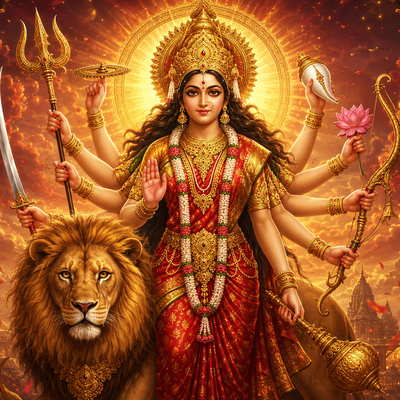
Ambe Tu Hai Jagdambe Kali (Durga Aarti)

अम्बे तू है जगदम्बे काली (दुर्गा आरती)

AartiDurga~3 min

Ambe Tu Hai Jagdambe Kali — a beloved aarti to Maa Durga, the fierce Mother of the universe who rides the lion and destroys the demon hordes. Sung during Navratri and daily Devi worship.

Annapurna

Annapurna Aarti

अन्नपूर्णा आरती

AartiAnnapurna~5 min

A devotional aarti dedicated to Maa Annapurna, the nourishing Mother of food, grain, kitchen abundance, compassion, annadan, and the sacred value of feeding all beings.

Bagalamukhi

Bagalamukhi Aarti

बगलामुखी आरती

AartiBagalamukhi~5 min

A devotional aarti dedicated to Maa Bagalamukhi, the Pitambara Mahavidya associated with protection, stilling harmful speech, controlling negativity, victory in difficult situations, and disciplined use of words.

Krishna

Banke Bihari Aarti (Shri Banke Bihari Teri Aarti Gaun)

श्री बांके बिहारी आरती (श्री बांके बिहारी तेरी आरती गाऊं)

AartiKrishna~3 min

Banke Bihari Aarti — the beloved aarti to Shri Banke Bihari of Vrindavan, the enchanting form of Krishna revealed by Swami Haridas. Sung for his darshan, love, and grace.

Bhairava

Bhairava Aarti

भैरव आरती

AartiBhairava~5 min

A devotional aarti dedicated to Shri Bhairava, the fierce protective form of Lord Shiva, revered as Kaal Bhairava, Batuk Bhairava, Kotwal of Kashi, remover of fear, guardian of thresholds, and protector of devotees.

Bhairavi

Bhairavi Aarti

भैरवी आरती

AartiBhairavi~5 min

A devotional aarti dedicated to Maa Tripura Bhairavi, one of the ten Mahavidyas, revered as the fierce fire of tapas, discipline, courage, purification, and transformative Shakti.

🌅

Suprabhatams · सुप्रभातम्

15

Can't find what you're looking for?

We're adding new content every week. Subscribe to get notified when new mantras and stotrams are added.

Understanding Sacred Texts · पवित्र ग्रंथों को समझें

A guide to the different forms of Hindu devotional chanting

Beej Mantra

बीज मंत्र

A single sacred syllable — the "seed sound" of a deity or cosmic energy. The most concentrated form of divine vibration, chanted to activate specific spiritual energies. Each deity has a unique beej that carries their essence in one sound.

e.g. OM (ॐ), SHREEM (श्रीं), KLEEM (क्लीं)

Jap Mantra

जप मंत्र

A short mantra repeated 108 times using a mala (prayer beads). The repetition creates a meditative rhythm that calms the mind and deepens connection to the deity. The number 108 is sacred in Hinduism, representing the universe's wholeness.

e.g. Om Namah Shivaya, Gayatri Mantra, Hare Krishna Mahamantra

Chalisa

चालीसा

A devotional hymn of 40 verses (chalis = forty in Hindi). Written in Awadhi or Hindi, Chalisas are the most popular form of daily prayer across North India — easy to memorize and deeply beloved across generations.

e.g. Hanuman Chalisa, Shiv Chalisa, Ganesh Chalisa

Stotra / Stotram

स्तोत्र

A hymn of praise composed by saints and sages, usually in Sanskrit. Stotras describe the qualities, powers, and glories of a deity, ranging from short poems to thousand-name collections chanted across temples worldwide.

e.g. Shiva Tandava Stotram, Vishnu Sahasranamam, Bhaja Govindam

Ashtakam

अष्टकम्

A specific type of stotra with exactly 8 verses (ashta = eight). Each verse praises a different aspect of the deity — compact yet powerful, ideal for daily recitation when time is limited.

e.g. Lingashtakam, Madhurashtakam, Kalabhairava Ashtakam

Aarti

आरती

A devotional song sung while waving a lit lamp before the deity. Aartis are performed during puja ceremonies at home and in temples, marking the climactic moment of worship when divine grace descends.

e.g. Om Jai Jagdish Hare, Jai Ganesh Deva

Suktam

सूक्तम्

Ancient Vedic hymns from the oldest scriptures in Hinduism. Suktams are chanted in precise Vedic meter and carry the most ancient spiritual vibrations known to humanity — some dating back over 3,500 years.

e.g. Sri Suktam, Purusha Suktam, Durga Suktam

Kavach

कवच

Literally "armor" — a protective prayer invoking divine shielding over every part of the body and life. Chanted for spiritual protection against negative energies and obstacles on the path.

e.g. Devi Kavach, Narayana Kavacham

108 Names

अष्टोत्तर शतनामावली

A collection of 108 sacred names of a deity, each revealing a different quality or form. Chanting all 108 names equals offering 108 prayers — often used during special pujas and festivals.

e.g. 108 Names of Shiva, 108 Names of Vishnu

Sahasranama

सहस्रनाम

A sacred hymn of 1000 divine names, each revealing a unique attribute or cosmic truth. Reciting a Sahasranama equals performing a complete yagya — the most powerful nama-japa in Hindu tradition.

e.g. Vishnu Sahasranama, Lalita Sahasranama

Hridayam

हृदयम्

A devotional hymn that reveals the "heart essence" of a deity — their inner power, grace, protection, and spiritual significance. Hridayams are often recited for deep meditation, courage, healing, clarity, and personal connection with the divine.

e.g. Aditya Hridayam, Narayana Hridayam, Lakshmi Hridayam

Suprabhatam

सुप्रभातम्

A morning awakening hymn sung at dawn to lovingly wake and welcome the deity. Suprabhatams are used in temples and homes to begin the day with devotion, gratitude, auspiciousness, and divine blessings.

e.g. Venkateswara Suprabhatam, Rama Suprabhatam, Krishna Suprabhatam

These classifications follow traditional Sanskrit scholarship and are used by practising Hindu devotees worldwide.